


top of mind news
- Lists of Black-Owned Restaurants Are a Start, but They’re Obviously Not Enough
- Chicago Restaurants Plan Juneteenth Celebration for Friday
- COVID-19 Cleaning Practices
- Restaurants Must Use This Moment to Change, Too
- Want to Support #BLM? Start with the Black Lives in Your Own Restaurants
- Restaurants Have A Diverse Workforce, Except At The Top
Poultry
 For the week ending June 6th, total chicken slaughter was 4.2% smaller than the year prior, but heavier bird weights left RTC production near par with the prior year. While the most recent WASDE report boosted 2020 chicken production forecasts by 259 million pounds from the May estimate (which leaves 2020 a scant 0.3% larger than the year prior), a modest pull back in slaughter is still expected into early July, given the tempered chick placement data throughout April and May. Still, recent broiler output being even with year ago levels has pressured wholesale prices lower, but tenders are expected to rise in the near term. Yet, expect price weakness for breast and leg quarters.
Beef
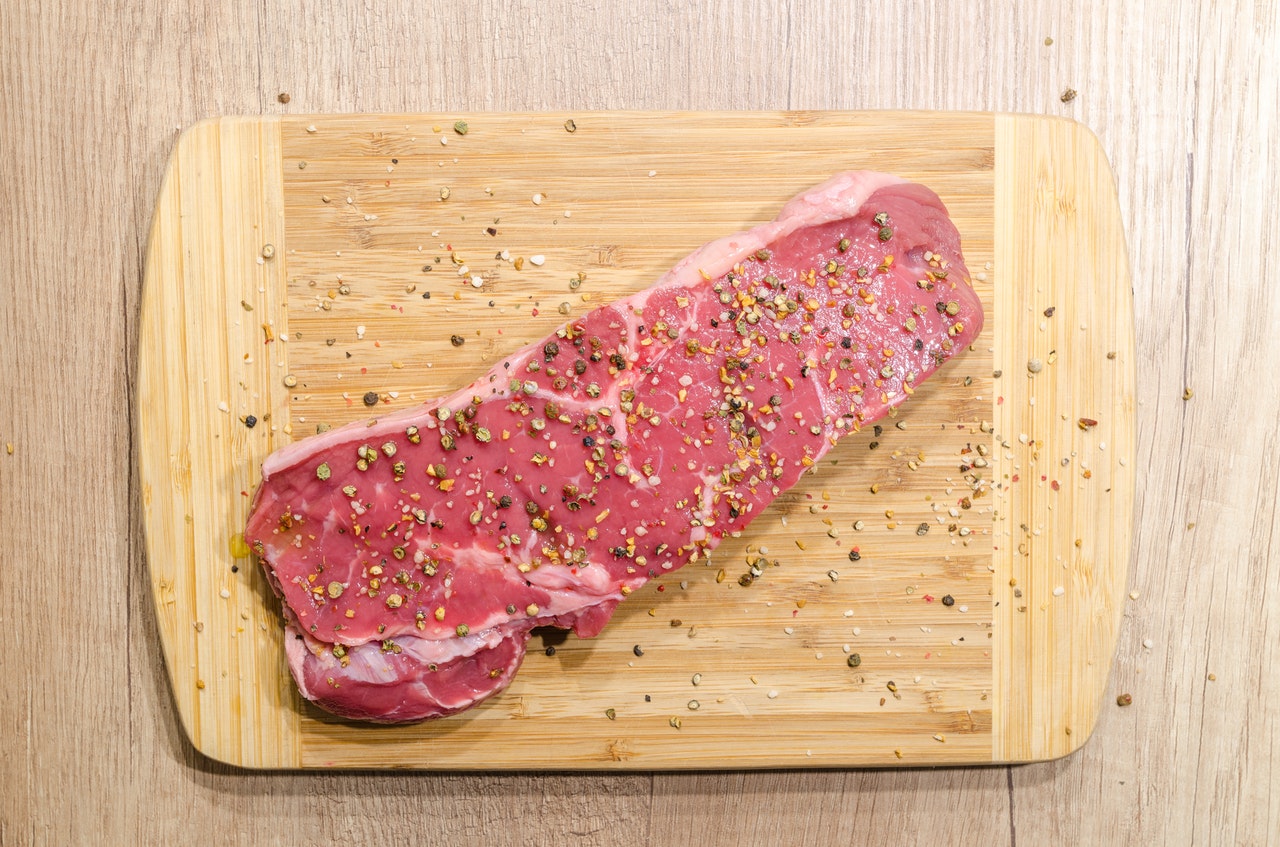
An active Saturday slaughter pushed last week’s cattle harvest to 658k head (down 1.6% y/y), but heavier carcasses left beef output 2.1% larger than a year ago. Sharp price declines were noted across the carcass, including finally, the middle meats. Lower end meat pricing coupled with weakening retail interest for ground beef has significantly pushed grind prices lower which is expected to continue. Beef 50s firmed in to the $0.80’s area after emerging demand interest occurred in the $0.70’s price region. Domestic lean beef trim prices may fade modestly as weakness is still anticipated for the end meats.
Pork

Both hog harvests and pork production last week were larger than year ago levels, which weighed heavy on most wholesale pork markets. Week-to-week, the belly and ham primals were higher than the year prior while the remainder of the USDA cutout suffered losses. But, pork 42s are finding seasonal support, in-line with seasonal expectations, but the pork 72s have started to fall notably. Some fill-in stock buying may happen as the 72s continue to fade, because in early May prices were 75% over a year ago which caused buying to be hand-to-mouth.
THE SEA
Seafood

World snow crab supplies are limited. U.S. snow crab imports during April were down 40.5% from the previous year. The Canadian snow crab fishing season is progressing with over half of the Newfoundland quota landed. The Newfoundland quota is 9% bigger than last year but still historically small. Tight snow crab supplies are expected to persist, but the upside price risk is likely to only be modest.
THE GARDEN
Produce

The avocado market is softening. Supplies from Mexico have been trending well above year ago levels as of late. Further, imports from Peru have begun. The California harvest is progressing as well. History suggests, however, that the Hass avocado markets could firm in the near term. The five-year average move for the 48-count avocado market during the next three weeks is an increase of 15.3%. Still, lackluster food service demand could temper any pending price increases. Tomato supplies are improving as well.
THE KITCHEN SINK
Dairy

The CME cheese and butter weekly averages firmed. However, there are signals that a top in the markets may be near as government purchase programs are anticipated to dampen the program in July. CME cheese blocks experienced daily declines twice last week marking the first such occurrence in over a month. The butter market showed signs of weakness as well. Good margins for producers are encouraging milk production which should aid supplies later this year and into 2021. The USDA is forecasting milk output during the last six months of 2020 to be nearly 2% above last year.
Grains

The corn and soybean planting seasons in the U.S. are entering their final stages, well ahead of last year and historical averages. Weather forecasts are favorable for the summer as well. Consequently, the USDA is projecting the available 2020-21 domestic corn supply to be the largest in decades. This should weigh on corn prices.
Oil

The energy markets weakened last week due in a large part to softer equity markets. With COVID-19 cases starting to rise in various parts of the country, the near-term upside potential in the energy markets may be only nominal.