


top of mind news
- Early Covid-19 Vaccine Test Shows Promise, Sending Restaurant Stocks Soaring
- A Look Inside The Restaurant Of The Future
- Why Restaurants Should Serve Up Career Advancement Opportunities
- Breakfast And Brunch: A True Restaurant Money-maker
Poultry
 Chicken slaughter remains lackluster, with harvests for the week ending October 31st down 3.8% from a year ago. Heavier bird weights have abated causing ready-to-cook production to be 4.1% below last year. While chicken production remains tempered, the latest broiler hatchery data continues to imply that integrators are not overly enthusiastic about increasing output in the near-term. The wing markets remain historically high for Q4, and prices remain in the $2.20’s price area. Inflated wing prices may not ease until production picks up. Similarly, chicken tender prices are firm but have been sideways amid tighter production schedules. Broiler production increases are projected.
Beef
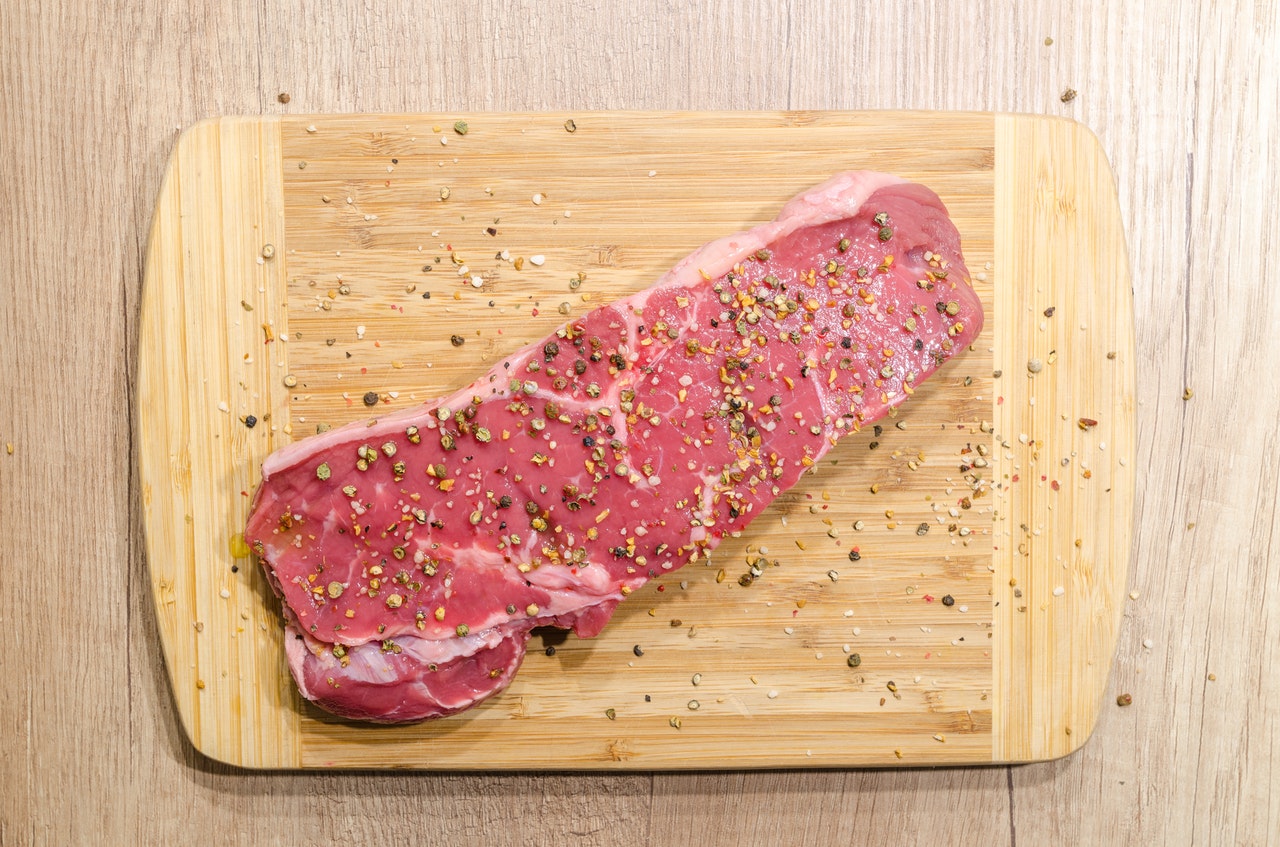
Cattle slaughter picked up last week, with throughput (estimated at 647k head), up 1.4% (w/w) but was 1.5% smaller than a year ago. Heavier carcasses remain a mainstay of the marketplace which pushed beef output up 0.4% over a year ago. The USDA cutouts found strength throughout last week, with the rib and round primals posting the greatest increases. Fat trim prices, while edging up, remain in the upper $0.30’s area as price increases remain hard to sustain. Domestic 90s prices are also struggling, and despite some appreciation remain sub-$200. Still. additional upside potential should occur into the early winter.
Pork

On Friday and Saturday hog slaughter was robust and boosted the week-to-date total to 2.71 million head. Heavier hogs equaled pork output being 1.5% over a year ago, and seasonally larger production should put pressure the USDA pork cutout value into late year. Last week’s wholesale pork prices were mostly lower across the board, led by the sinking belly primal. From well over done price levels in the $1.70’s, bellies closed last week near $1.10, but the ham market remains notably higher. The trim 42’s are seasonally fading, but are 14% over a year ago.
THE SEA
Seafood

The shrimp markets continue to mostly track near year ago levels. This is despite strong U.S. shrimp imports in September. During the month, the world exported 17.5% more shrimp to the U.S. versus the previous year. Shrimp demand could fare better than other seafood products this winter due to solid retail demand. Thus, the downside risk may be limited in shrimp prices from here.
THE GARDEN
Produce

Lettuce supplies remain limited during the crop area transition which is inflating price levels. Yuma/Imperial Valley supplies are reported to be available, but it may be the end of the month before normal lettuce volumes are realized. This could be supportive of the iceberg, romaine and leaf lettuce markets in the near term. Conversely, tomato supplies are improving on the East Coast with Florida production ramping up. This could weigh on the tomato markets. Buyers be warned, however, that usually tomato prices firm during December.
THE KITCHEN SINK
Dairy
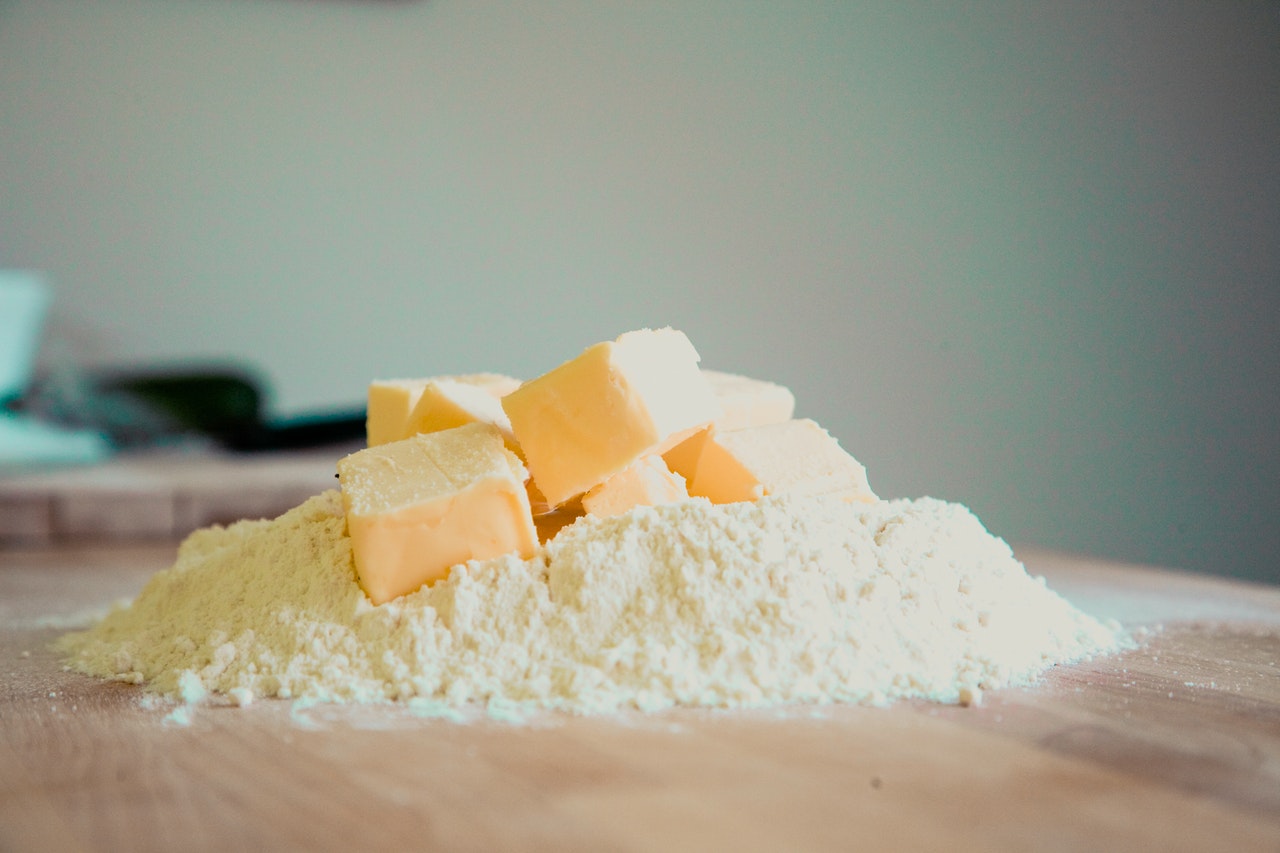
The CME cheese block and barrel markets are moving sharply lower. Less food box dairy buying and weakening cheese demand have influenced prices lower. U.S. cheese exports in September were up 4.0% (y/y) and record for the month. History suggests lower cheese prices are forthcoming. The CME spot butter market found modest support since last week but is still historically deflated. Domestic butter exports in September were down 9.0% (y/y) but were the smallest for the month in three years. Until food service butter demand improves, prices may remain cheap, but some contracting may be used.
Grains

The feed markets remain elevated, especially soybeans. China continues to import notable volumes of soybeans and corn from the U.S. as they attempt to build protein production. Further, India has imported a significant amount of U.S. soybean oil for the first time in years. Inflated grain prices could continue this fall.
Oil

After hitting the highest level since January 2019 earlier this month, nearby natural gas futures have fallen 16.8% (since then). Warmer than average temperatures have tempered natural gas home heating demand. Expect natural gas prices to be swayed by winter weather but prices usually find support in November.