



Poultry
Chicken breast, tenders and wings remain attractively priced despite modest increases last week, while whole chicken prices moved lower. Tenders stand out for value, trading 21% below year-ago levels. However, producers are placing fewer chicks into grow houses, limiting output and potentially keeping a floor under prices. Eggs and turkey breast were largely steady.
Outlook: Reduced chicken output should support prices through fall and into winter, even as select cuts offer buying opportunities.

Beef
Beef production declined, but choice and select boxed beef prices also eased last week. Briskets, loins and rounds led the declines, while chucks and select flanks moved higher. Trim prices were mixed, with leaner varieties softening as strong imports helped support availability—a welcome development for operators watching ground beef costs.
Outlook: Beef trim prices are expected to remain soft this fall, offering potential relief for ground beef purchases.
Pork
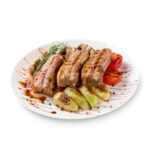
Pork continues to offer value, with all major markets below year-ago prices and some down nearly 30%. Higher weekly production pushed prices lower across every major cut, including trim. Sluggish domestic demand and weaker August exports are keeping pressure on the market, although pork bellies could approach a longer-term price bottom this fall.
Outlook: Attractive pork pricing should persist through fall, though belly prices may begin to stabilize.

Produce
Lettuce remains the biggest pressure point: 24-count iceberg prices have climbed 374% over eight consecutive weeks and are approaching $50 per carton. Tomatoes are also trending higher, with large Roma prices potentially reaching the $30 range before December. Avocados offer a brighter spot, with 48-count Hass prices declining after briefly stabilizing near $30 per carton.
Outlook: Lettuce and tomato costs could stay elevated into November, while avocados offer near-term relief ahead of their typical early-year upswing.

Dairy
Cheese blocks, nonfat dry milk and whey moved higher last week, with whey reaching record highs. Still, adequate milk supplies are supporting ample cheese and butter production. Cheese inventories remain heavy, and although exports are strong, flat domestic consumption is helping limit pricing pressure.
Outlook: Ample supplies and subdued domestic demand should temper cheese price increases this fall, despite continued strength in whey.

Grains
Grain markets moved lower following the USDA’s October reports, with corn taking the biggest hit. A higher corn yield estimate added to an already larger supply outlook. Increased demand projections offset some of that growth, but the stocks-to-use ratio still rose from 9.7% to 11.3%, signaling more supply relative to expected use.
Outlook: Heavier supplies should keep pressure on grain prices, particularly corn, unless export demand strengthens.

Seafood
Whitefish costs are climbing as limited imports tighten U.S. availability. Frozen Alaskan pollock fillet prices jumped 14.2% in August, outpacing the 3.8% increase for frozen cod fillets. With imports running below normal for three consecutive months, operators should plan for continued cost pressure rather than a quick return to lower prices.
Outlook: Tight supplies could push pollock prices higher through year-end, with meaningful relief potentially delayed until well into 2027.