


May 27, 2026
This week’s insights on key commodities and market shifts—powered by CommodityONE, exclusively for Dining Alliance members.

Poultry
Chicken supplies continue to build, keeping pressure on pricing across most categories. Chicken breast prices are now down 45% year-over-year, while wings, tenders, and boneless skinless thighs also softened last week. Turkey breast prices have fallen nearly 20% over the last month as supplies improve, and egg markets remain historically low. USDA data also showed broiler chick placements up 3% from last year and breeder flocks at a 16-month high, signaling continued strong chicken production ahead.
Outlook: Operators should continue seeing favorable pricing opportunities across many chicken categories heading into summer. With production expected to remain elevated through at least June, significant near-term poultry price increases appear unlikely unless demand unexpectedly surges.
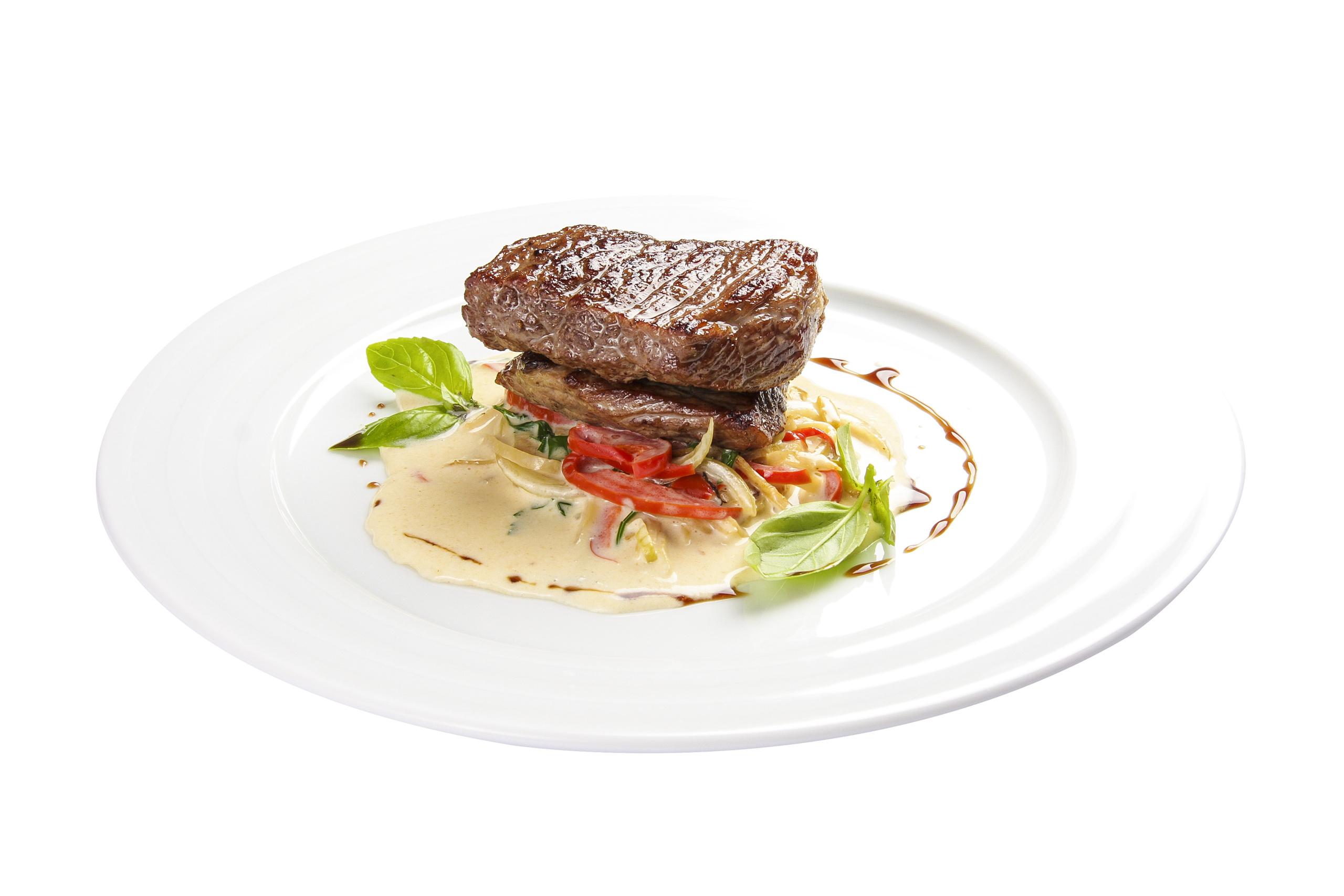
Beef
Beef production slowed last week as cattle slaughter remained well below last year due to historically poor packer margins. Even with softer production, beef markets were mixed, with Choice cuts moving higher while Select categories drifted lower. Feedlot inventories and cattle placements both increased year-over-year, offering some positive supply signals, while potential El Niño weather conditions could improve pasture conditions in major cattle regions.
Outlook: Beef markets may remain volatile as tighter slaughter supplies continue to support pricing in certain categories. Improved pasture conditions could eventually support herd rebuilding, but that process may also temporarily tighten available cattle supplies and keep upward pressure on beef prices longer term.

Pork
Pork production eased slightly last week but still remained above 2025 levels overall. Pork butts and ribs continued gaining strength, with pork butts trading nearly 16% above last year, while bellies dropped another 8% and remain a major drag on the overall pork cutout. USDA projections still call for 2026 pork production to rise 1.8% and reach record-high levels.
Outlook: Strong overall pork supplies should help limit major price spikes in the coming months, especially as consumption growth remains relatively modest. Operators may continue seeing good value opportunities in bacon and belly-related items while butt and rib pricing stays elevated during grilling season demand.

Seafood
Seafood markets saw major movement in frozen cod pricing, with import prices surging sharply again in March after already elevated levels throughout 2025. Import volumes have remained tight, helping push cod prices to new all-time highs. However, import volumes are expected to improve beginning in May.
Outlook: Cod pricing may remain elevated short term, but improving import volumes later this spring and summer could help ease some market pressure during the second half of the year.

Produce
Fresh yellowfin tuna prices surged 19.5% month-over-month in March, marking one of the largest seafood market moves this year. While the market rebounded from historically weak pricing levels seen throughout much of 2025, seasonal trends suggest some softening may already be occurring following the March spike.
Outlook: Yellowfin tuna pricing may continue climbing modestly through the summer months, though the sharp March increase could moderate near-term buying activity. Operators using tuna heavily on seasonal menus may want to monitor pricing closely as summer demand builds.
The Kitchen Sink
Dairy
Dairy markets weakened again last week, with cheese blocks, barrels, butter, and nonfat dry milk all declining around 4%. Cheese and butter prices have now fallen to three-month lows and are trading at least 18% below last year. Meanwhile, U.S. milk production continues expanding, with the national dairy herd reaching its largest size since 1993. Export demand for nonfat dry milk is also showing signs of weakness.
Outlook: Ample milk supplies and softer export demand could continue weighing on dairy pricing in the near term. Operators may see continued favorable buying opportunities across cheese and butter categories heading into summer menus and promotional periods.

Grains
Grain markets were relatively quiet last week, with much of the movement tied to broader energy market activity and geopolitical developments. Early optimism surrounding a new U.S.-China agricultural purchase agreement briefly lifted corn markets, but prices quickly retreated as uncertainty around the details of the agreement remained high. Despite that uncertainty, U.S. corn exports are still on pace to reach record levels.
Outlook: Grain markets may continue experiencing short-term volatility tied to global trade developments and energy markets. However, strong existing export demand and steady production outlooks should help prevent major sustained price spikes in the near term.