


March 10, 2026
This week’s insights on key commodities and market shifts—powered by CommodityONE, exclusively for Dining Alliance members.
Poultry
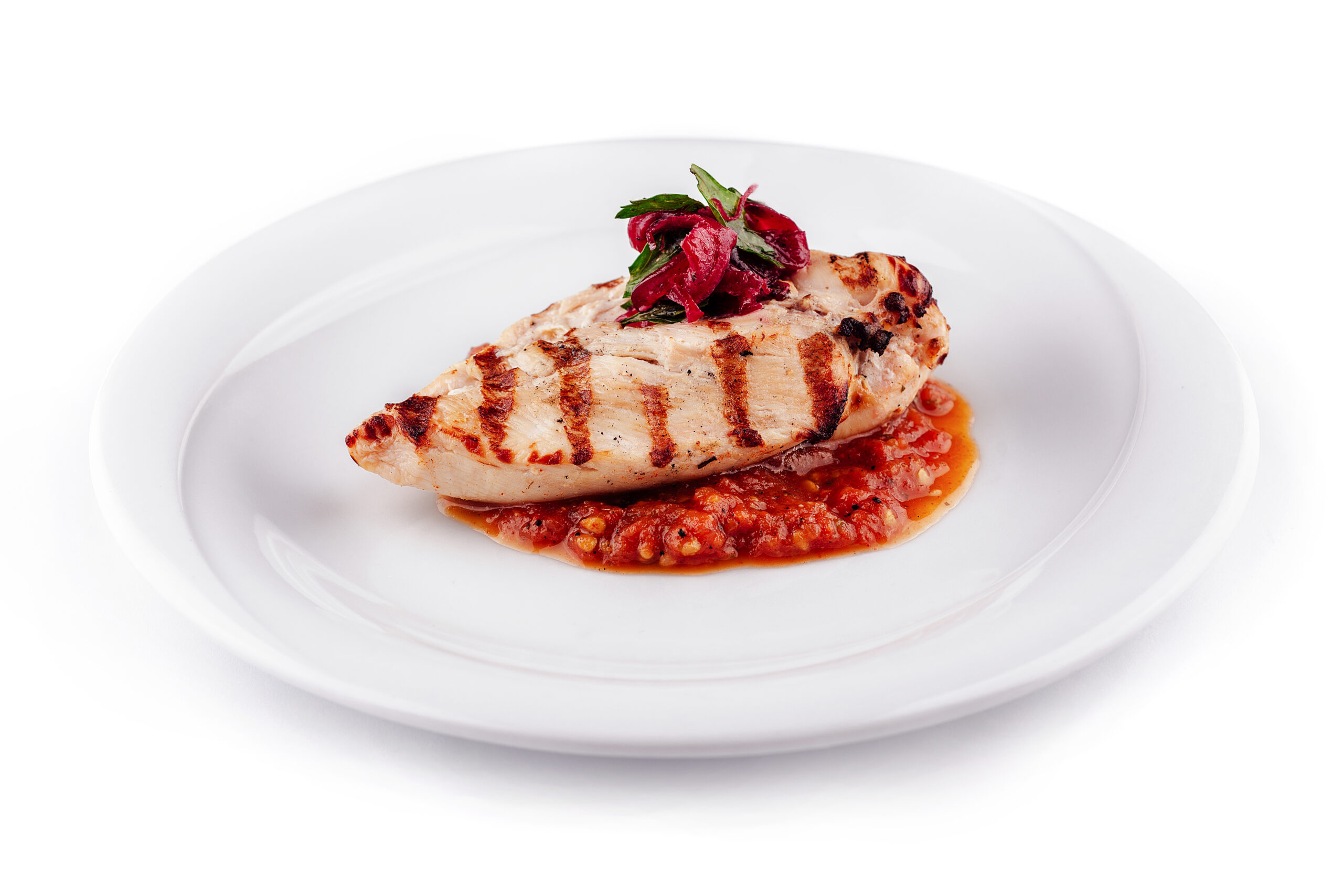
Chicken production continues to run above last year’s levels, helping keep prices relatively competitive compared to other proteins. Whole birds, breasts, thighs, and leg quarters all moved slightly higher last week, while wings dropped sharply, falling nearly 9% to their lowest level in seven weeks. Strong supply growth—about 3.6% above last year—has kept wholesale chicken prices from seeing the typical seasonal climb.
Outlook: Chicken’s price advantage over beef could make it an attractive menu feature in the coming months. If production growth slows closer to USDA’s projected 1% increase later this year, breast meat prices could see additional support, especially if operators shift promotions toward chicken.
Beef
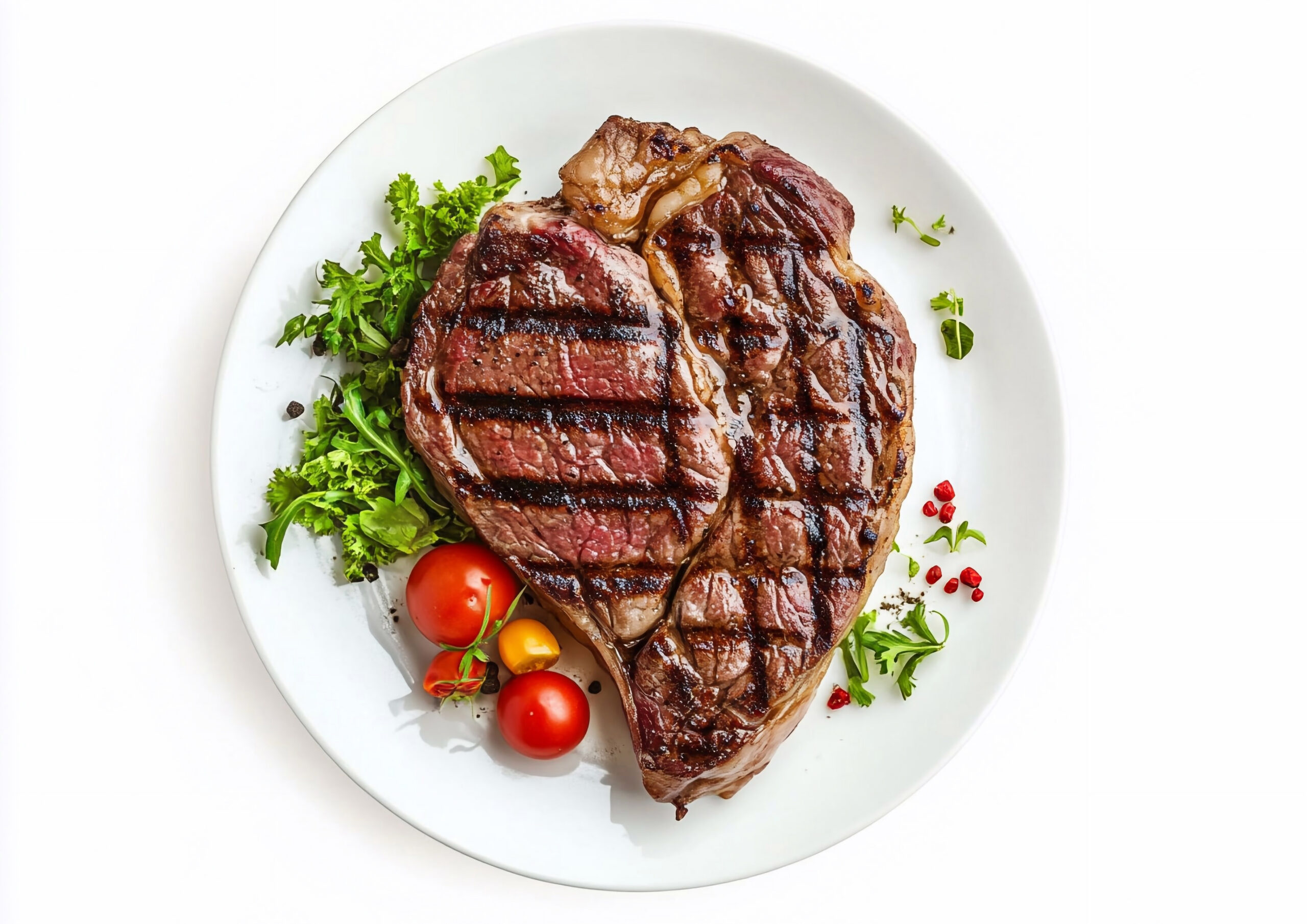
Beef prices pushed higher last week as Choice and Select cutouts rose roughly 2–3%. Strength was driven primarily by rib, loin, flank, and plate primals, which is typical heading toward spring demand. Meanwhile, packers have been cautious as they continue working through tight margins.
Outlook: Beef markets may remain somewhat firm in the near term, though improving weather conditions in cattle regions like Texas and Oklahoma could support herd rebuilding longer term. For operators, beef will likely remain a higher-cost protein compared to chicken in the months ahead.
Pork
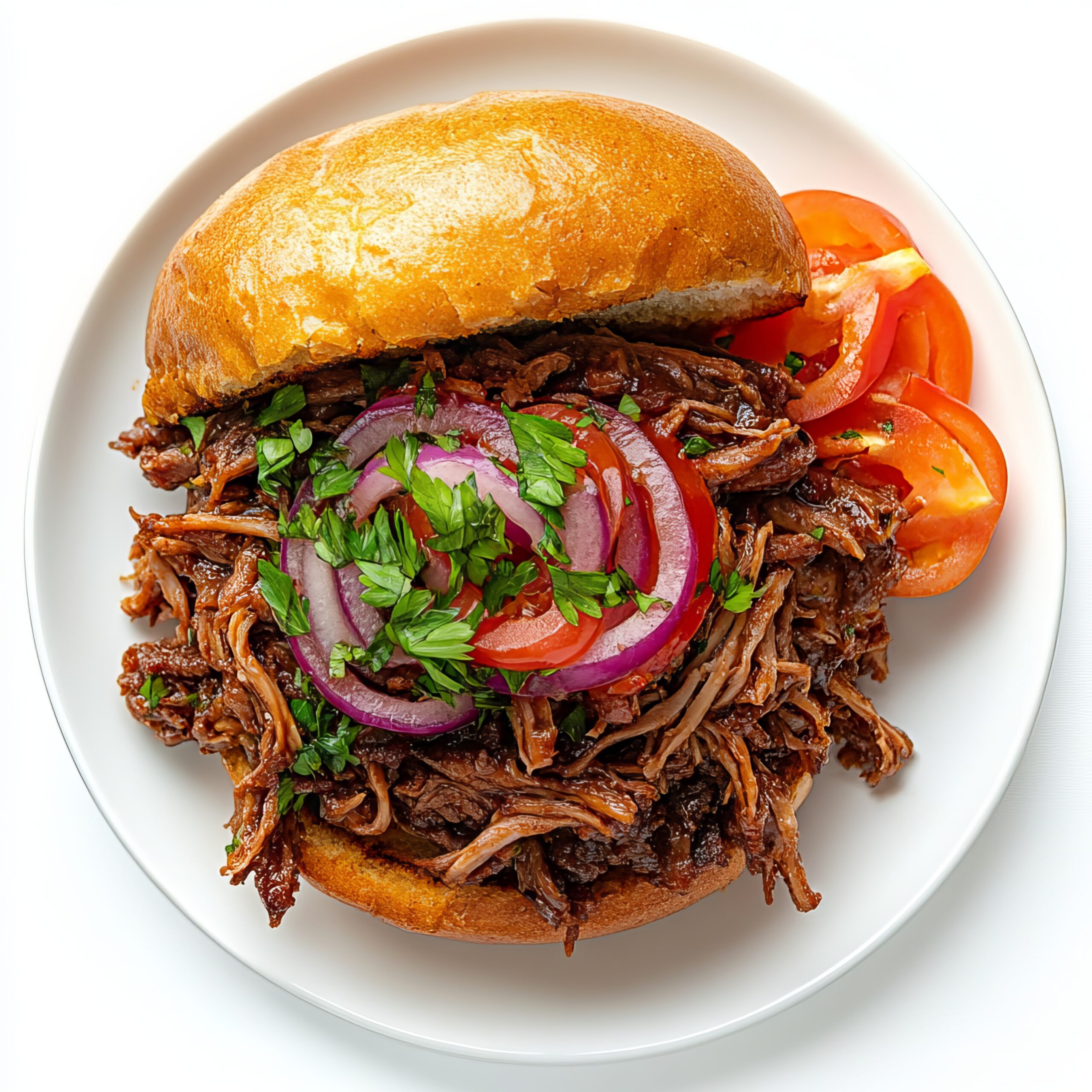
Despite pork production running more than 5% above year-ago levels, the USDA pork cutout still rose about 1% last week. Belly prices led the gains, while ribs declined—particularly St. Louis ribs, which continue to trade at a steep discount to babybacks.
Outlook: Seasonal demand heading into spring grilling season could lift pork prices in the coming months. The unusually wide spread between St. Louis and babyback ribs may narrow, which could create short-term value opportunities for operators.
Seafood
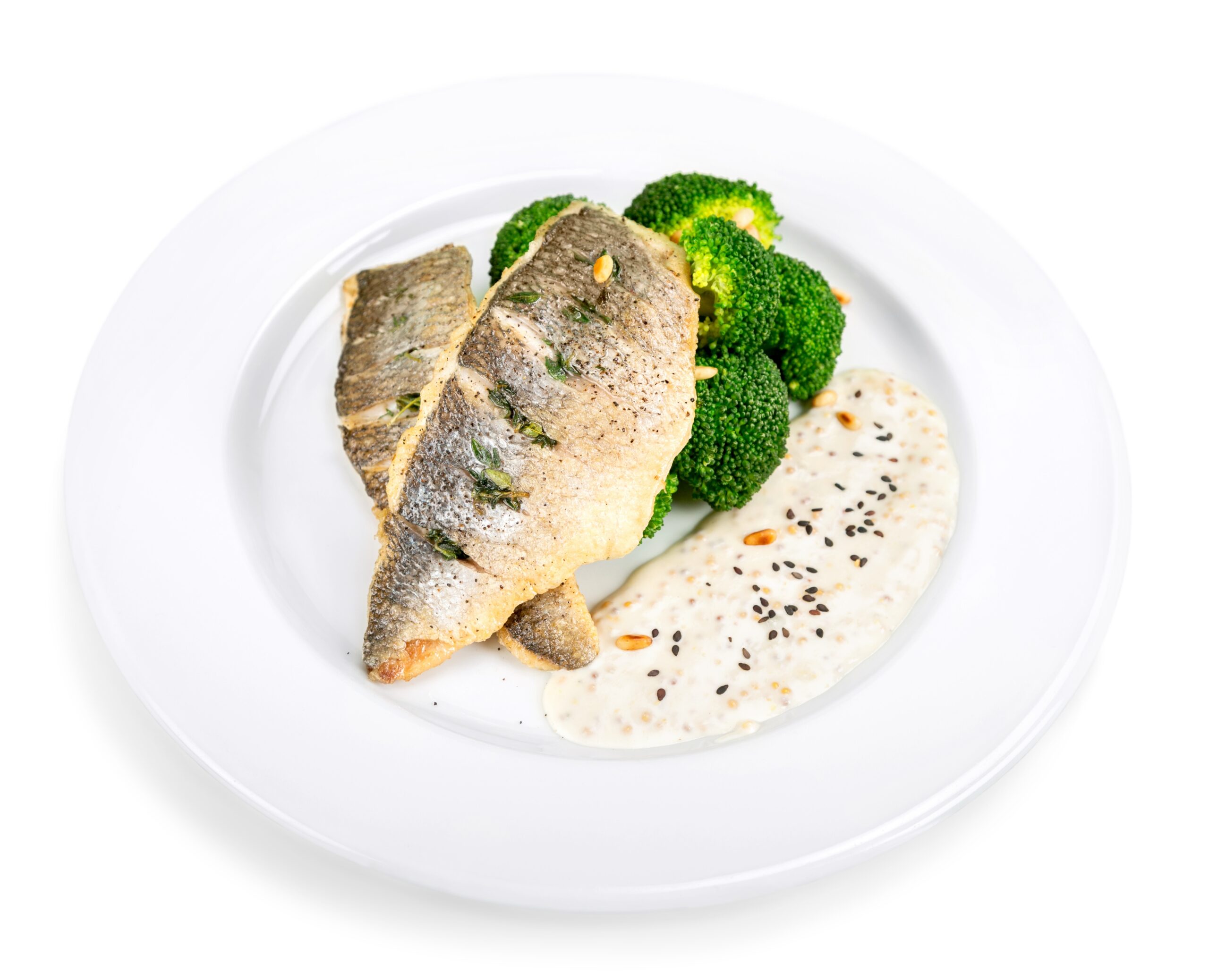
Tilapia prices showed some stabilization late last year after a significant correction earlier in 2025. However, rising import volumes—now back near post-COVID highs—are keeping supply plentiful.
Outlook: Higher import levels could continue limiting any major price rebound in tilapia. That steady supply environment may help keep this seafood option relatively affordable for operators compared to other proteins.
Produce
The lettuce market continued easing from its February highs, but tomatoes grabbed attention last week as large Roma prices surged more than 76% week over week to $37 per carton. The spike is tied to blight impacting crops in Mexico and freeze damage in the Eastern U.S., creating an unusually tight supply.
Outlook: Tomato markets may remain volatile for several weeks as supply tightness works through the system. Operators may want to watch menu planning closely, as Roma prices could stay elevated until new supply stabilizes the market.
The Kitchen Sink

Dairy
Dairy markets saw active trading last week, with butter leading the move higher on the weekly averages—up nearly 13% to just over $2.06. Cheese prices edged up modestly while nonfat dry milk also gained ground. Export demand continues to support butter markets.
Outlook: Butter prices could remain somewhat elevated if export demand holds steady, though softer domestic demand may help limit further spikes. Cheese supplies remain more available, which could keep price increases gradual.

Grains
Grain markets posted another strong week, led by soybean oil along with wheat, corn, and other row crops. Strength has been tied in part to rising crude oil prices and geopolitical tensions affecting fertilizer and biofuel markets.
Outlook: If energy prices and global tensions continue to influence commodity markets, grains could see additional upward pressure. That could eventually filter into higher feed costs and food prices across several protein categories.
