


top of mind news
- New York Raises Wages for Tipped Workers — But Leaves Restaurants Out
- Food Waste in 2020: What Restaurant Tech Trends to Watch
- 2020 Restaurant Industry Conferences to Attend
- Restaurants Question Service Fees as Legal Battles Erupt
THE FARM
Poultry

Chicken slaughter for the last full week of 2019 was up 8.4% from the year prior which took the six-week total of RTC production to 6.6% above 2018. Chicken supplies are expected to remain robust throughout early 2020, with Q1 likely to run 4% to 5% larger than last year. Wing prices are on the rise and opened the new year near 14% above year ago levels, with escalating prices expected into at least early February. Leg quarters are, as well on the rise and opened the year at their highest level since 2015. Upside potential on leg quarter prices may extend well into the early summer before easing, but we’ll have to keep a close eye on China if they boost U.S. poultry buys.
Beef
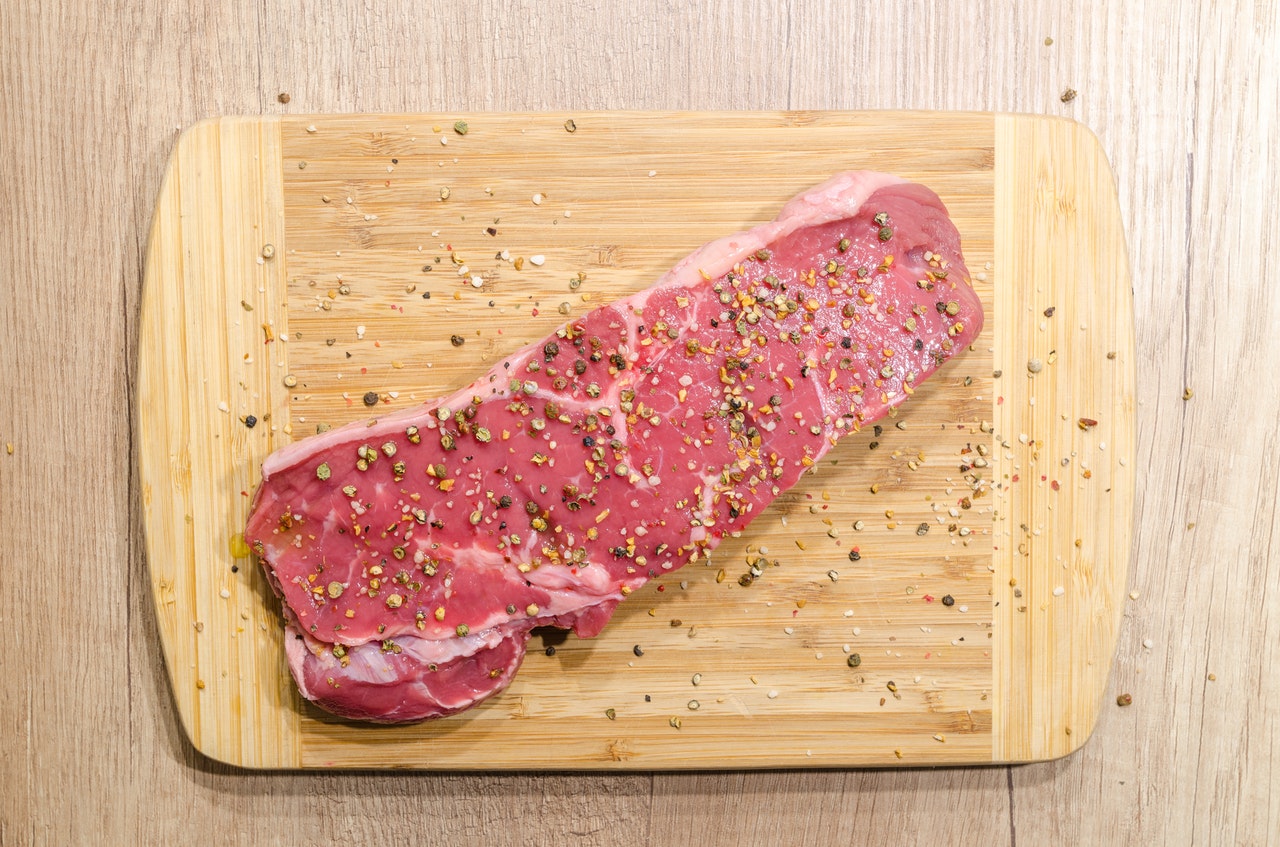
Beef production for the first week of 2020 came in at an estimated 450.7 million pounds, up 16.2% from the Christmas week prior, but was still a holiday shortened schedule. Beef output is expected to normalize but should decline from Q4 levels over the coming weeks. The boxed beef cutouts are in the process of finding a winter bottom, but trade is likely to be mostly flat ahead of the springtime rally. Anticipate the lean beef trimming markets to still have upside price risk, especially given the recent fires within Australia. While not in major cattle areas, fires may continue to underpin prices for the imported 90s.
Pork

Last week’s pork output came in at 492.8 million pounds, a modest 1.6% over the same holiday week a year earlier, but escalating production schedules are expected to resume into 2020. The USDA pork cutout has been struggling, with bellies being the driver of that weakness, because the remainder of the carcass is notching year-over-year gains. Still, expect upside price risk for the wholesale pork markets, especially given that November’s exports were 25.6% larger than the year prior, and solid year-over-year pork exports are projected to persist.
THE SEA
Seafood

Snow crab prices remain historically elevated due to tight world supplies. The Alaskan snow crab fishing season progressed slowly during the fall, which is typical as the bulk of the catch usually occurs during the winter. Although the Alaskan Bering Sea snow crab quota is larger this year, limited snow crab supplies are expected to persevere during the next several months. This should temper any downside potential in snow crab prices.
THE GARDEN
Produce

The tomato markets jumped higher over the holidays due to a reduced harvest in Florida and supply challenges out of Mexico. Supplies out of Florida did improve last week with shipments up 35% from the prior week, but they were still down 17% versus the previous year. History suggests that supplies should improve in the coming weeks, driving tomato prices lower. The large mature green tomato market has averaged flat to lower in February versus January in eight of the last ten years. U.S. potato supplies remain a concern due to earlier adverse weather. Elevated potato prices are likely to persist this winter.
THE KITCHEN SINK
Dairy

Spot butter prices this week are the cheapest in 38 months. Per the USDA, November butter exports were down 63.1% year-over-year and the lowest for the month since 2015. The butter market could still trend lower from here, but prices haven’t spent a lot of time below $1.800/lb. since the winter of 2015. The cheese markets have been moving notably lower as of late. Domestic cheese exports during November were up 7.2% from the prior year despite being at elevated price levels (at the time) which is a testament to strong demand. History suggests expecting only modest price declines for cheese in January.
Grains

World food oil prices have been on the rise due to tight supplies. China continues to import more food oil due to smaller domestic production, while a major Argentine processor/exporter halted output due to financial issues. Food oil supplies are expected to remain limited this winter which could underpin the markets.
Oil

Nearby WTI crude oil futures this week priced at the highest level since last April but have since turned lower. Geo-political tension between the U.S. and Iran is rising volatility. But record U.S. crude oil output should temper any big price gains.
