


top of mind news
- Restaurant Technology Needs Are Serving up Great Entrepreneur Opportunities
- Trends for the air and the sea
- The ingredients Philly chefs hate (and how they cook with them anyway)
- The 4 Steps to Becoming a Green Restaurant
the farm
Poultry
 For the week ending January 5th, chicken production was up 8% from the prior year. Amid the active opening week’s production schedule, wholesale broiler prices started to rebound as well. Yet, chicken tender prices fell to a multi-year low after opening the year at their highest since 2014. The ArrowStream Chicken Breast Index is showing some signs of life, recently hitting the highest level since early August. Lower wholesale chicken prices have led to higher retail margins on chicken sales relative to history, but even more so when compared to competing proteins such as ground beef. As lower prices find favor with retailers and food service companies alike, the wholesale chicken markets are expected to find further support this winter.
Beef
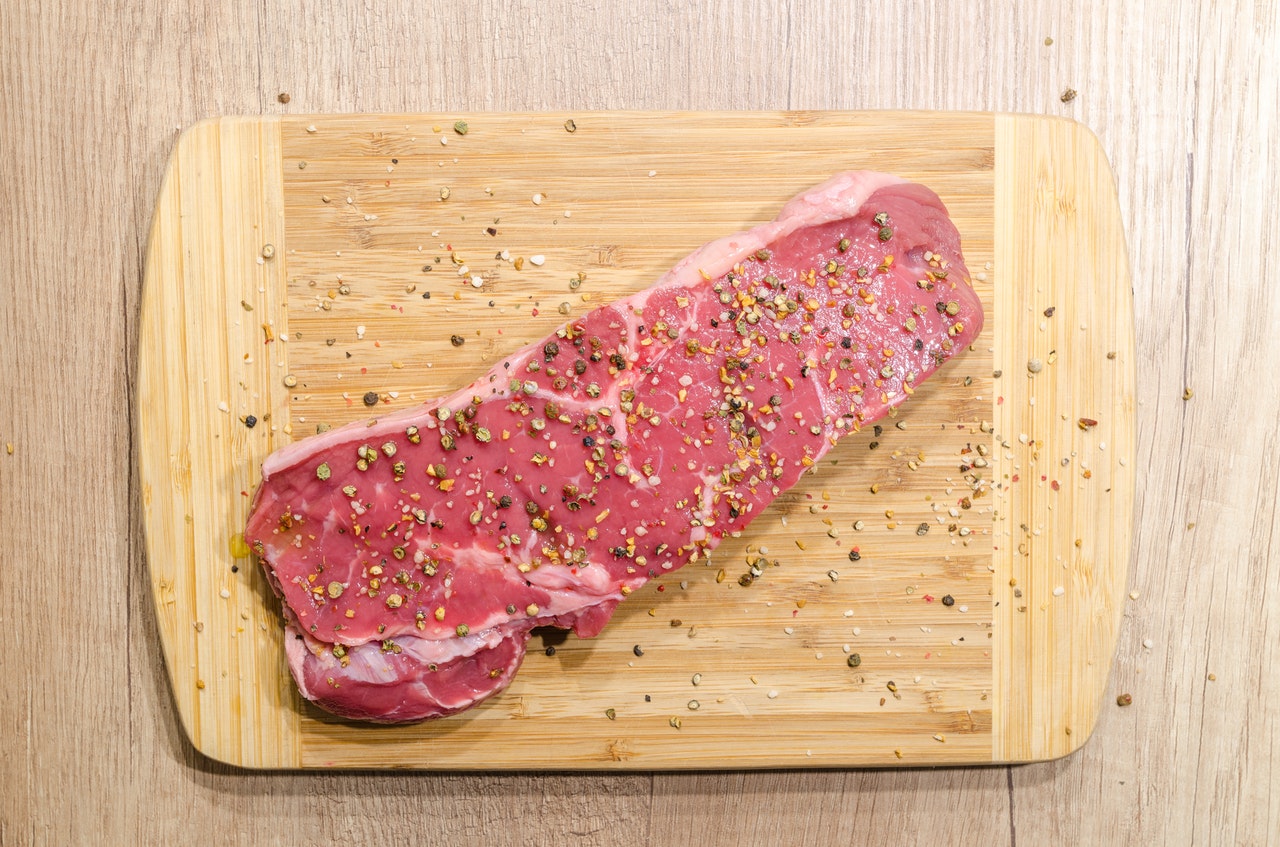 Beef production in the first full week of 2019 got off to a brisk start, up 2.6% year-over-year. Estimated carcass weights were modestly higher than the year prior, boosting production, but winter weather is expected to temper feedlot performance heading into the weekend. Winter storms moving towards the Midwest and Plains are of particular interest, given the accelerated quality grading noted throughout 2018. Cattle in Kansas and Nebraska produce the largest percentages of Choice and Prime beef. While a modest seasonal move lower for the boxed beef cutouts would be typical into next month, the cutouts are likely to find counter seasonal support and choppiness on tighter supplies into late winter.
Pork
 Last week pork production was up 4.6% from last year and output schedules appear to be running at full tilt. Accelerated production has taken its toll on many of the pork markets, with hams and loins at multi-year lows. Only the pork belly primal has displayed notable year-over-year strength and has increased 22% from the late December low. However, belly prices have likely established a top and are now falling significantly. The USDA pork cutout weakness may continue in the near term, but seasonal support should eventually arrive in the late winter.
the sea
Seafood
 Retail seafood prices have been high. In December, the average retail seafood prices were up 4.9% from 2017 and a record for any month. At the same time retail beef, pork and chicken prices during the month were engaging. Elevated retail seafood prices may temper demand during the next several weeks and should mitigate any notable seasonal price inflation.
the garden
Produce
 The avocado markets continue to trade at relatively engaging levels for buyers. Avocado shipments are improving after the holiday interruptions. U.S avocado imports from Mexico last week jumped 94% from the prior week but were down modestly from the same week last year. Avocado demand can escalate in front of the Super Bowl which will occur in just over two weeks. However, the five year average price trend for the 48 count Hass avocado market during from this week through the end of the month is a decline of 5.4%.
The kitchen sink
Dairy
 The cheese block and barrel markets have softened so far this year. But, the average Class III milk futures for 2019 are currently pricing 5.2% above the average Class III milk futures which motivates milk supplies to butter production instead of cheese manufacturing. This factor suggests that the downside risk for cheese prices from here is limited, despite strong inventories. It also hints that in spite of solid butter demand, the butter market could seasonally top earlier than typical this winter. The quarterly pivot model hints that butter prices may visit $2.150 and $2.080 before April.
Grains
 Speculation is that China and the U.S. could announce a trade deal before April. However, the U.S. soybean supply could remain burdensome. Chinese soybean imports have been lackluster due in part to a decline in their feed demand. Fairly engaging soybean prices are anticipated to persist.
Oil
 Nearby natural gas futures have risen 11.7% over the last week. Very cold winter temperatures are now taking hold within the U.S. which is boosting home and commercial natural gas heating needs. Still, there is key price resistance at $3.600.