


February 17, 2026
This week’s insights on key commodities and market shifts—powered by CommodityONE, exclusively for Dining Alliance members.
Poultry
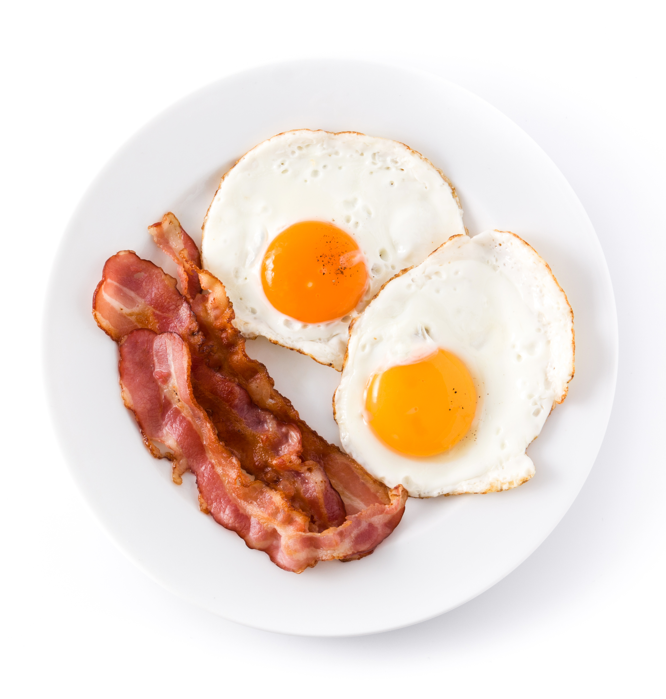
USDA young chicken harvest totaled 167.7 million head, slightly higher week-over-week but down 1% year-over-year. The National Composite WOG edged up to $1.18/lb. Boneless/skinless breasts climbed $0.07 to $1.45/lb and are up 22% month-over-month, though still down 9% y/y. Tenderloins rose to $1.52/lb, while wings increased to $1.21/lb and remain 37% below last year despite recent gains. Boneless/skinless thigh meat reached $1.46/lb, up 16% m/m and 9% y/y. Turkey breasts remain sharply higher y/y, and large shell eggs jumped nearly 10% w/w, now up 101% m/m but still well below last year’s peak.
Outlook: Seasonal demand and slightly reduced harvest volumes are supporting the market. Expect a modestly firmer tone in the near term, particularly across breast and dark meat categories, while egg volatility remains something to watch.
Beef
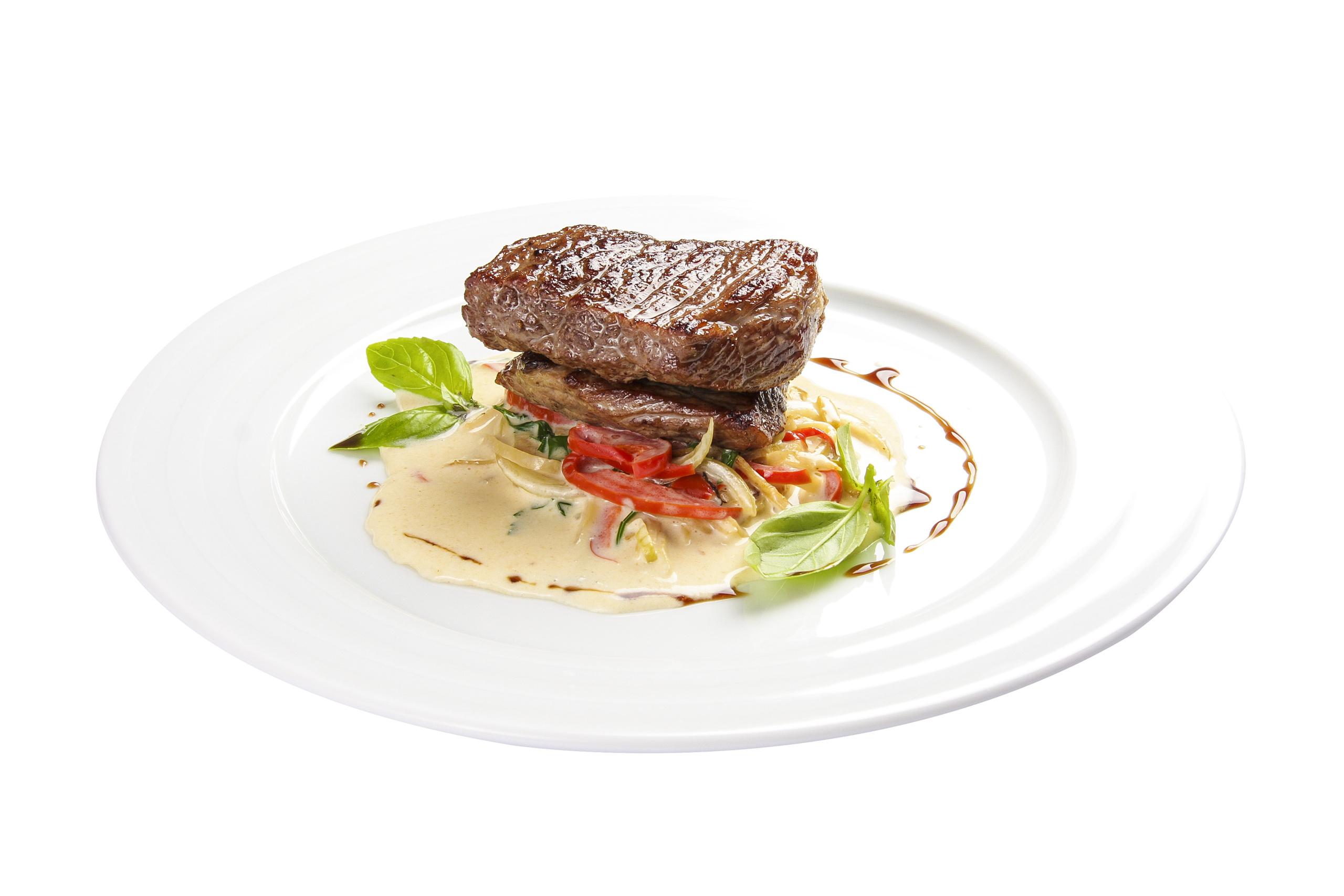
Cattle futures strengthened, with the February contract up 3% to $242.50/cwt. The choice cutout slipped slightly to $364.84/cwt, while select ticked higher. The loin complex posted gains, including striploins at $9.78/lb and shortloins at $8.20/lb. Ribeyes edged up to $10.70/lb. End cuts were mixed, with chuck rolls down to $5.06/lb. Ground beef 81% eased to $3.50/lb, while 90% lean trim rose to $4.25/lb.
Outlook: Lower harvest volumes continue to support pricing despite typically softer February demand. With strong out-front brisket sales and tight supplies, beef markets are likely to remain supported in the near term.
Pork
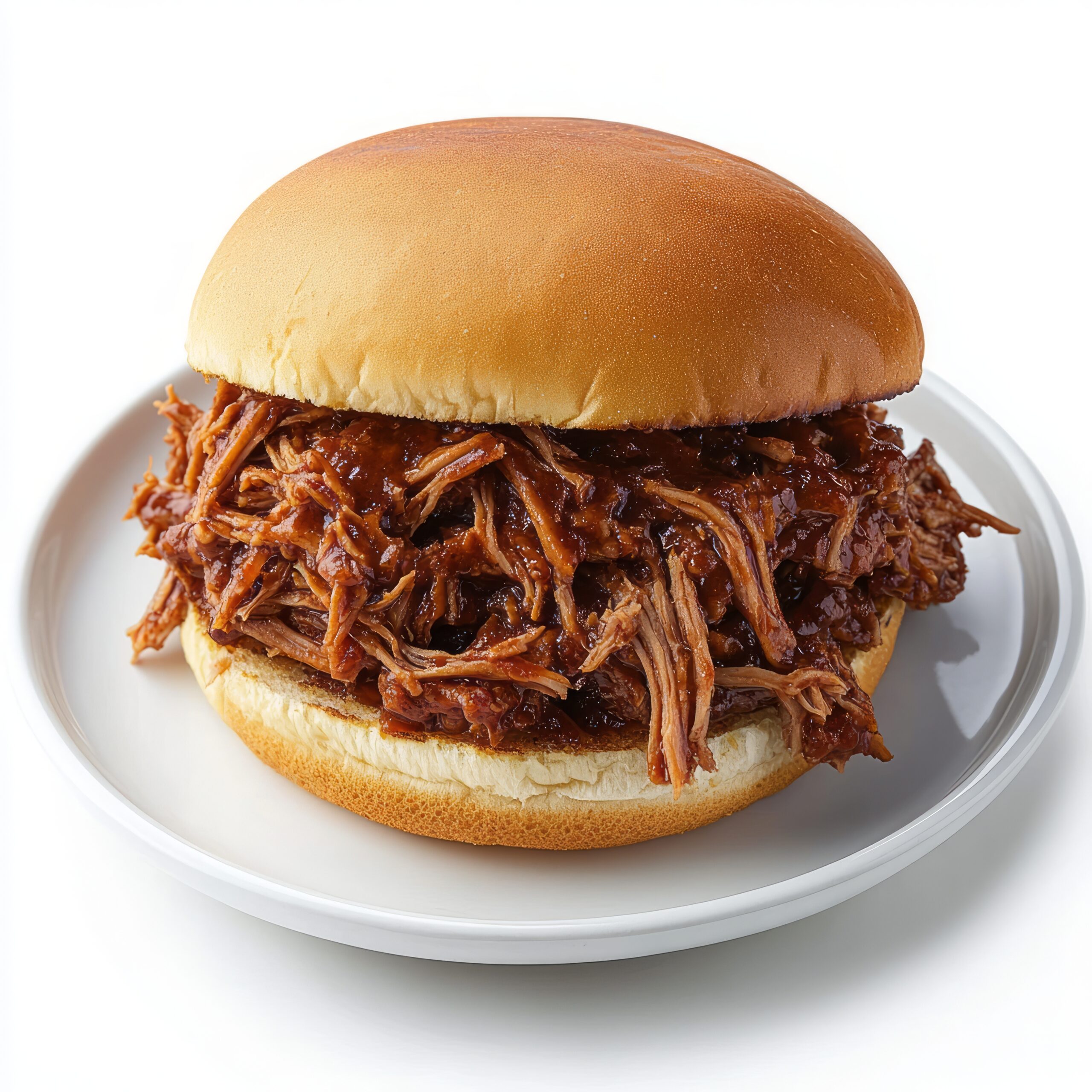
Hog futures were generally lower, while the pork cutout edged up to $95.65/cwt. The loin primal gained 2%, with boneless loins at $1.40/lb. Bone-in pork butts rose slightly, while boneless butts softened. Bellies increased to $1.66/lb, and spareribs declined. Ham primals were lower, and export activity slowed compared to the prior week.
Outlook: Lower harvest levels are lending some support to the cutout. Retail demand remains soft, but improving freezer inventories and potential export rebounds could keep pork markets steady to slightly firmer in the coming weeks.
Seafood
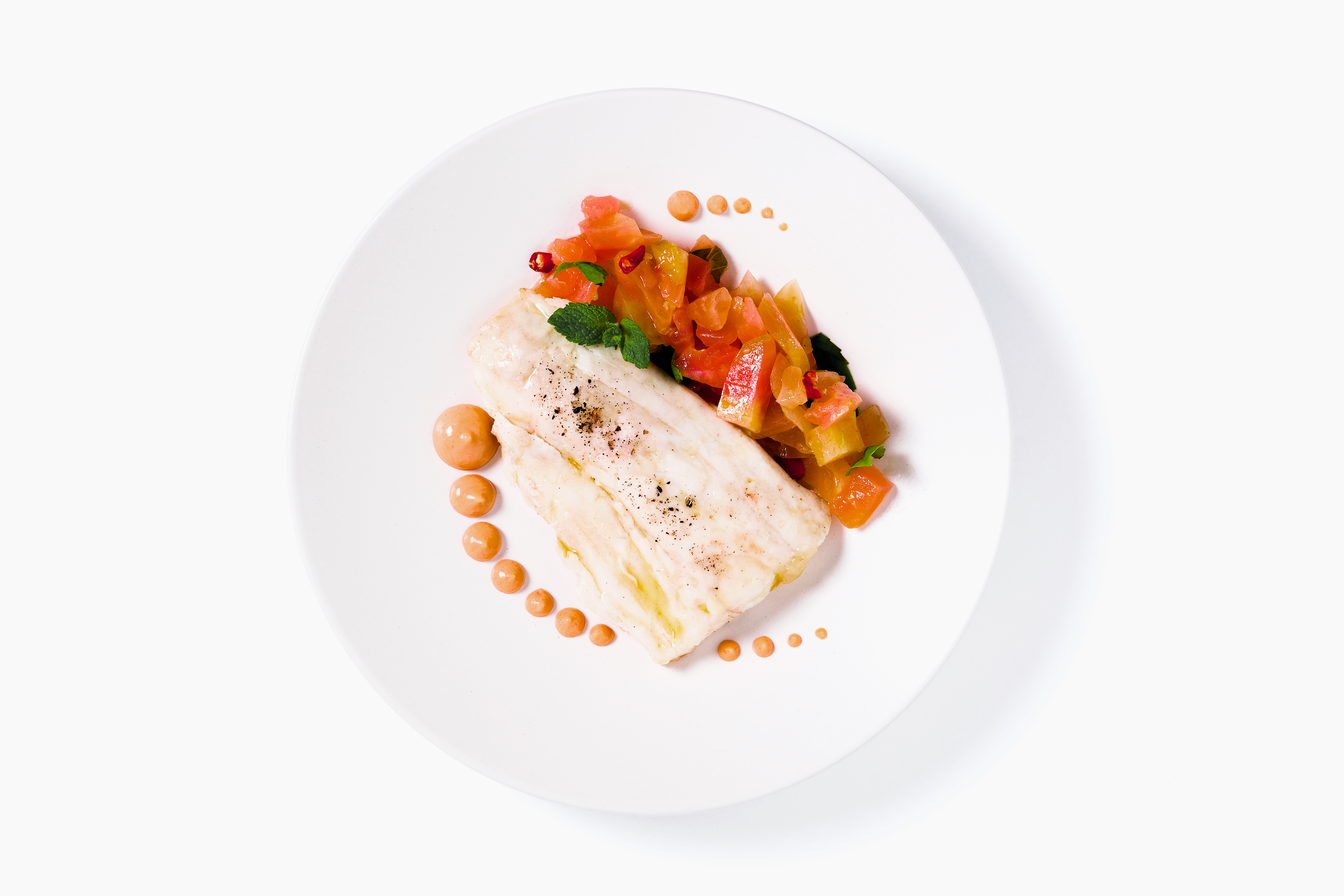
Frozen tilapia fillet prices fell 9.5% month-over-month in November, reaching their lowest level since tracking began in 2012. Increased import volumes and seasonal demand patterns contributed to the decline.
Outlook: A modest rebound is likely in March or April before prices soften again heading into late spring, following typical seasonal trends.
Produce
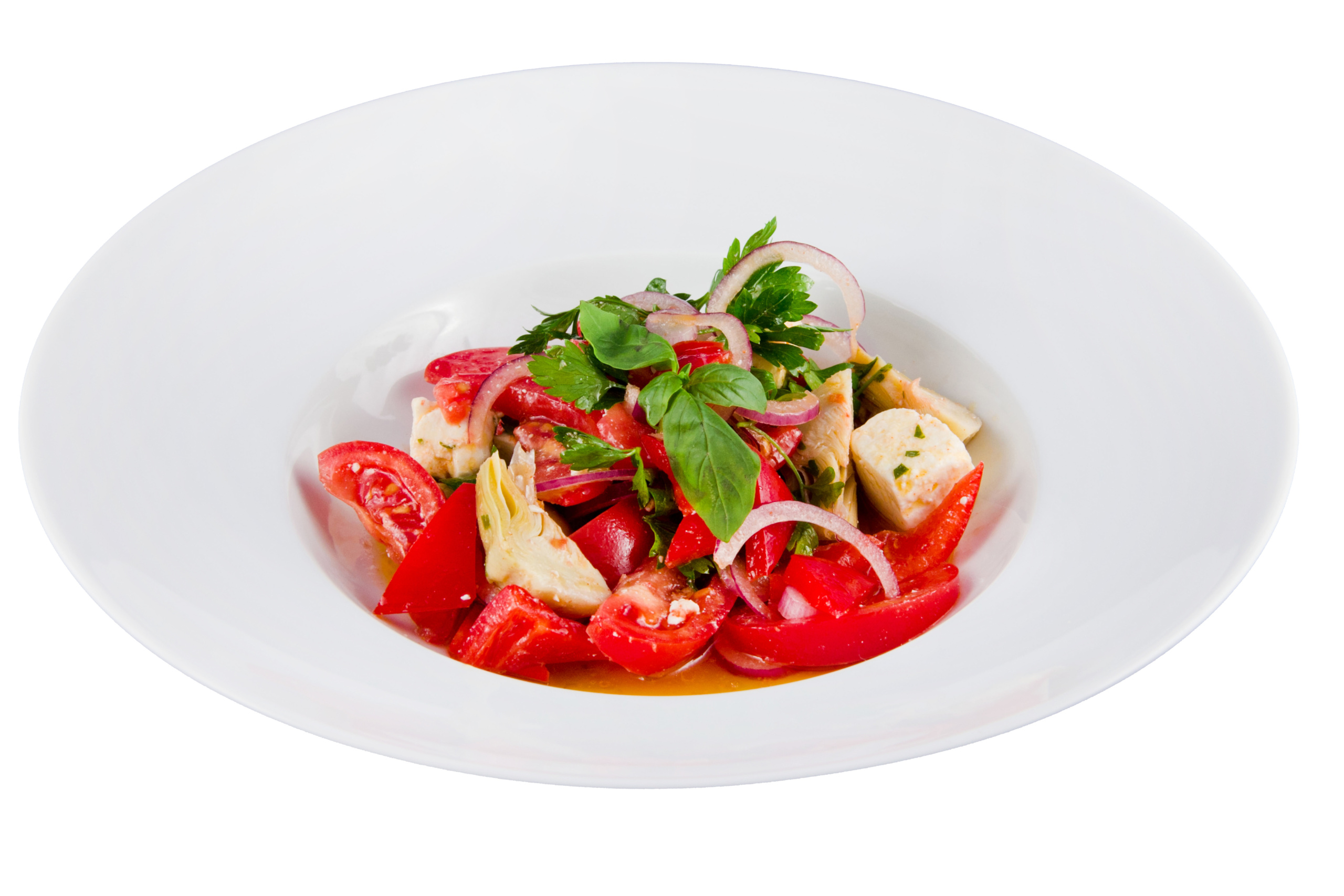
Lettuce prices continued climbing, with iceberg nearing historically rare levels above $50/carton. Tomato markets softened slightly for the first time since mid-December, though freeze damage in the Eastern U.S. continues to support elevated pricing. Supply constraints remain the primary driver across both categories.
Outlook: Tomato markets may stay elevated for another two to three weeks before easing toward late March. Iceberg pricing is unlikely to sustain extreme levels for long, as demand typically adjusts when prices spike.
The Kitchen Sink

Dairy
Dairy markets were mixed. CME blocks fell to $1.39/lb, while barrels held at $1.44/lb. Spot butter increased to $1.74/lb, though year-to-date pricing remains well below last year and the five-year average. Milk availability is adequate, and production schedules are near capacity despite recent weather disruptions.
Outlook: Stable milk supplies and steady retail demand should keep cheese markets balanced. Butter demand remains strong domestically and internationally, likely supporting pricing in the near term.

Grains
Soybeans continued to rally, lifting much of the grain complex, supported by reports of a potential U.S.–China trade truce extension. However, weaker export sales and strong Brazilian supply are creating skepticism. May soybean futures remain above $11.
Outlook: While short-term support remains in place, global supply pressure could limit further upside. Farmer selling may trigger another pullback, though a significant drop below $11 appears unlikely in the near term.
