


February 10, 2026
This week’s insights on key commodities and market shifts—powered by CommodityONE, exclusively for Dining Alliance members.
Poultry
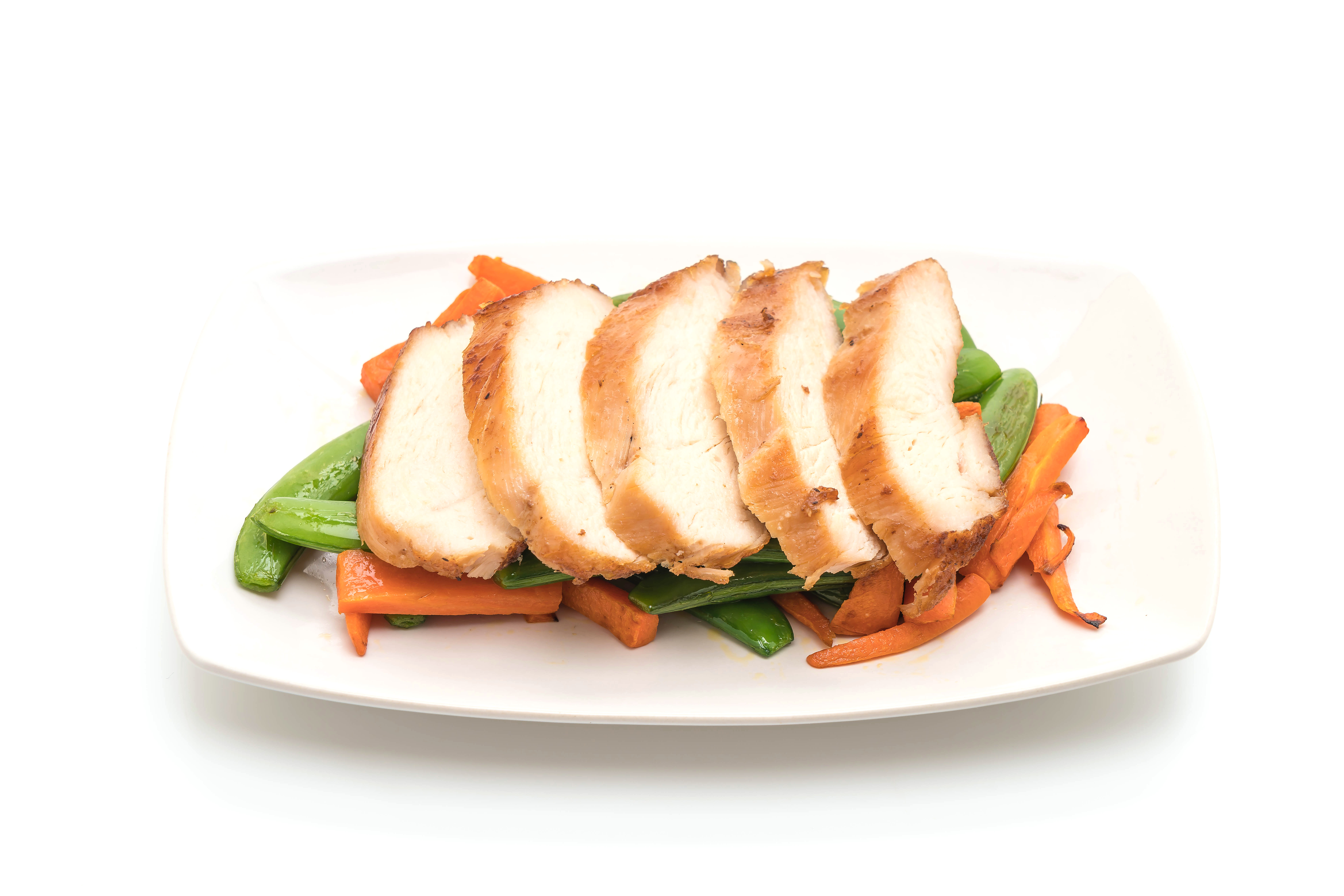
Poultry markets moved higher last week as USDA young chicken harvest declined to 167.3 million head, down 3.3% week over week due to storm impacts in the Southeast. White meat prices led the gains, with boneless/skinless breasts rising $0.06 to $1.38/lb, now up 18% month over month. Wings climbed another $0.06 to $1.18/lb, making them 19% higher month over month, though still 39% lower year over year. Thigh meat continued to strengthen, with boneless/skinless thighs up 16% m/m and 7% y/y. In eggs, the USDA large eggshell index surged nearly 46% w/w, but remains 82% lower year over year.
Outlook: With harvest volumes constrained and weather disruptions lingering, poultry prices are expected to trend steady to slightly higher in the near term. While gains have slowed, supply-side pressure should continue to support pricing—particularly for wings and white meat cuts.
Beef
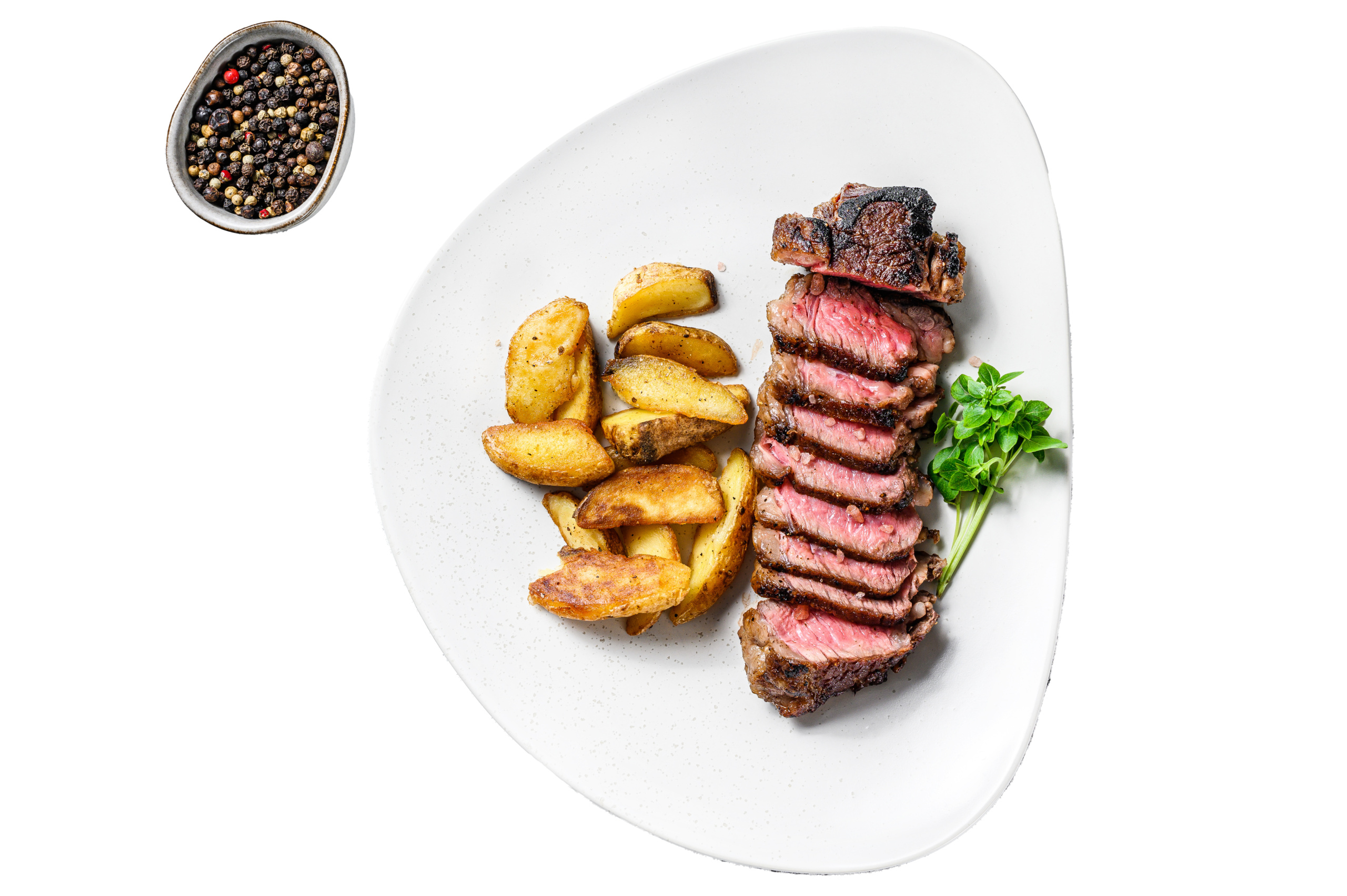
Cattle markets were mixed, with the nearby CME February live cattle contract flat at $235.50/cwt. Boxed beef prices softened, with the Choice cutout down to $367.25/cwt and Select at $360.37/cwt. Strength persisted in premium cuts, including boneless heavy ribeyes, which rose $0.09 to $10.57/lb. End cuts were mixed, while ground beef 81% edged lower to $3.81/lb. Lower harvest volumes continued to support wholesale pricing.
Outlook: Despite February typically marking a seasonal demand low, sharply reduced harvest levels are keeping beef prices firm. Notably, 2.2 million pounds of Choice shortloins sold out front are expected to support higher pricing in the loin segment in the weeks ahead.
Pork
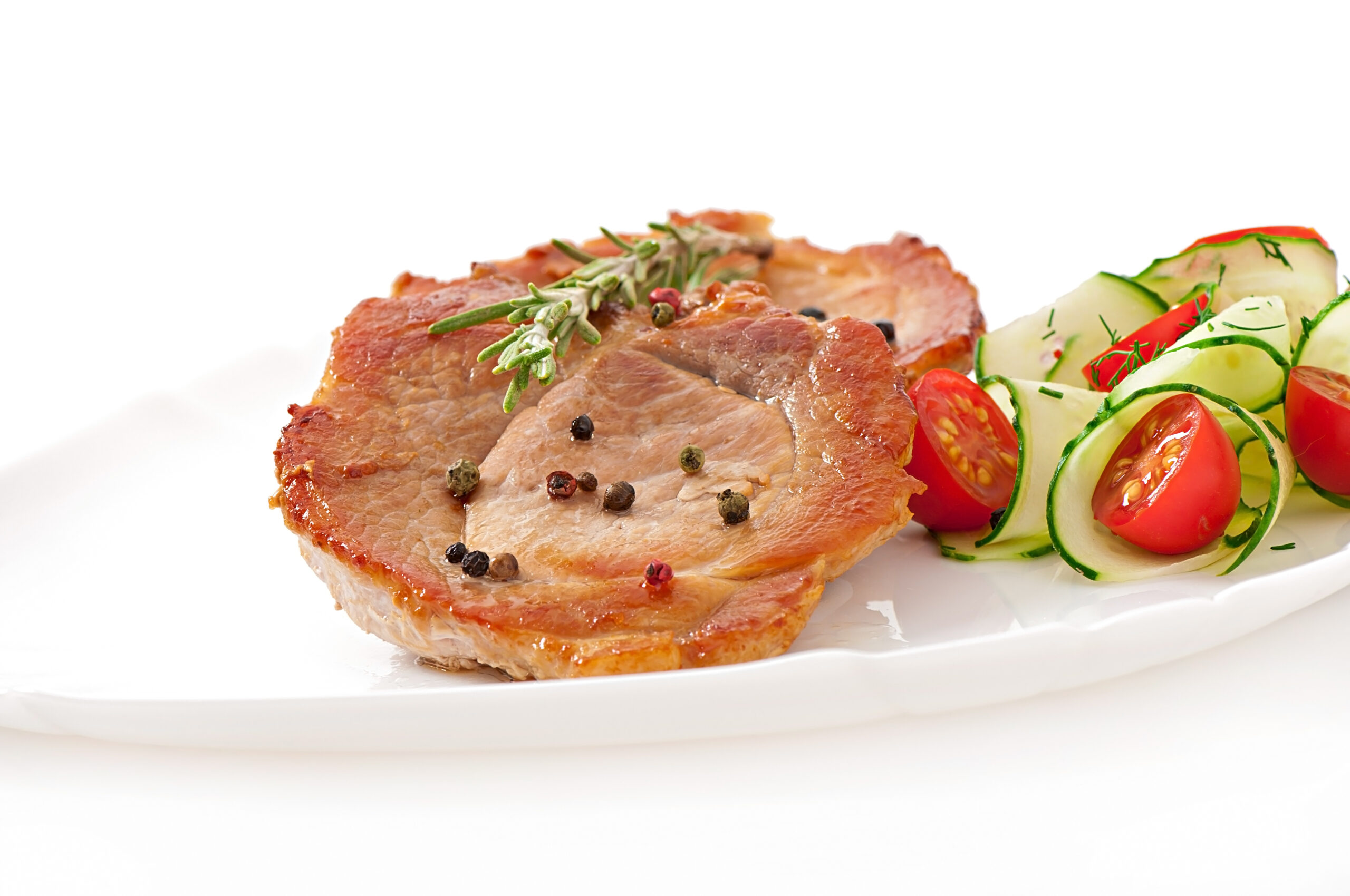
Pork markets posted gains last week, with the carcass cutout up 2% to $95.27/cwt as harvest volumes declined. Pork butts were a key driver, with the butt primal up 4% to $114.88/cwt, and boneless butts climbing to $1.45/lb. Bellies also strengthened, rising 4% to $131.88/cwt, while ribs moved lower, with the rib primal down 6% w/w. Export demand remained steady, with 157 loads of boneless pork butts sold internationally.
Outlook: With lower harvest volumes and freezer inventory rebuilding, pork prices are expected to trend steady to slightly firmer. While retail demand remains soft, supply dynamics should continue to support the cutout and lean hog markets.

Seafood
Seafood markets saw continued strength in snow crab pricing. Frozen snow crab prices climbed 15.9% month over month, following a 7.1% increase in October, reaching a new three-year high of $10.69/lb. The rally erased losses from much of the past year and extended a longer-term uptrend.
Outlook: Snow crab prices are expected to remain elevated into early 2026, consistent with seasonal trends. Some price relief may emerge by summer, but operators should plan for continued near-term pressure on crab items.

Produce
Produce markets continued to tighten, led by lettuce and tomatoes. Iceberg lettuce prices surged into the $40–$50 per carton range as harvest, yield, and shelf-life challenges persisted. Tomato pricing remained elevated due to ongoing cold-weather impacts, though improvement is expected as temperatures warm mid-February. Avocados bucked expectations, with 48-count Hass prices falling 9.2% week over week, despite seasonal trends pointing higher.
Outlook: Lettuce pricing is expected to remain elevated and volatile in the short term. Tomato prices should begin easing as growing conditions improve, while avocados may remain flatter than usual into the first half of the year barring supply disruptions.
The Kitchen Sink

Dairy
Dairy markets were mixed. CME cheese blocks rose $0.09 to $1.47/lb, while barrels increased $0.03 to $1.44/lb, supported by strong retail demand. Butter prices surged $0.22 to $1.71/lb, though they remain $0.79/lb below the five-year average. Severe winter weather caused production disruptions and transportation challenges early in the week, impacting spot milk movement.
Outlook: Cheese pricing is expected to remain supported by steady production and retail demand. Butter markets may continue to see short-term volatility, but strong domestic demand should help stabilize prices as weather-related disruptions ease.

Grains
Grain markets posted a positive week, led by the soybean complex. Optimism increased following trade announcements, including potential Chinese purchases of up to 8 million metric tons of U.S. soybeans, in addition to 12 million metric tons agreed to previously. Soybean oil prices reacted favorably, lifting the broader complex.
Outlook: If additional export demand is confirmed, soybeans could settle into a $10.80–$11.00 per bushel range, an improvement from recent levels. Until then, markets are expected to remain firm, supported by trade-related optimism.
