


December 9, 2025
This week’s insights on key commodities and market shifts—powered by CommodityONE, exclusively for Dining Alliance members.
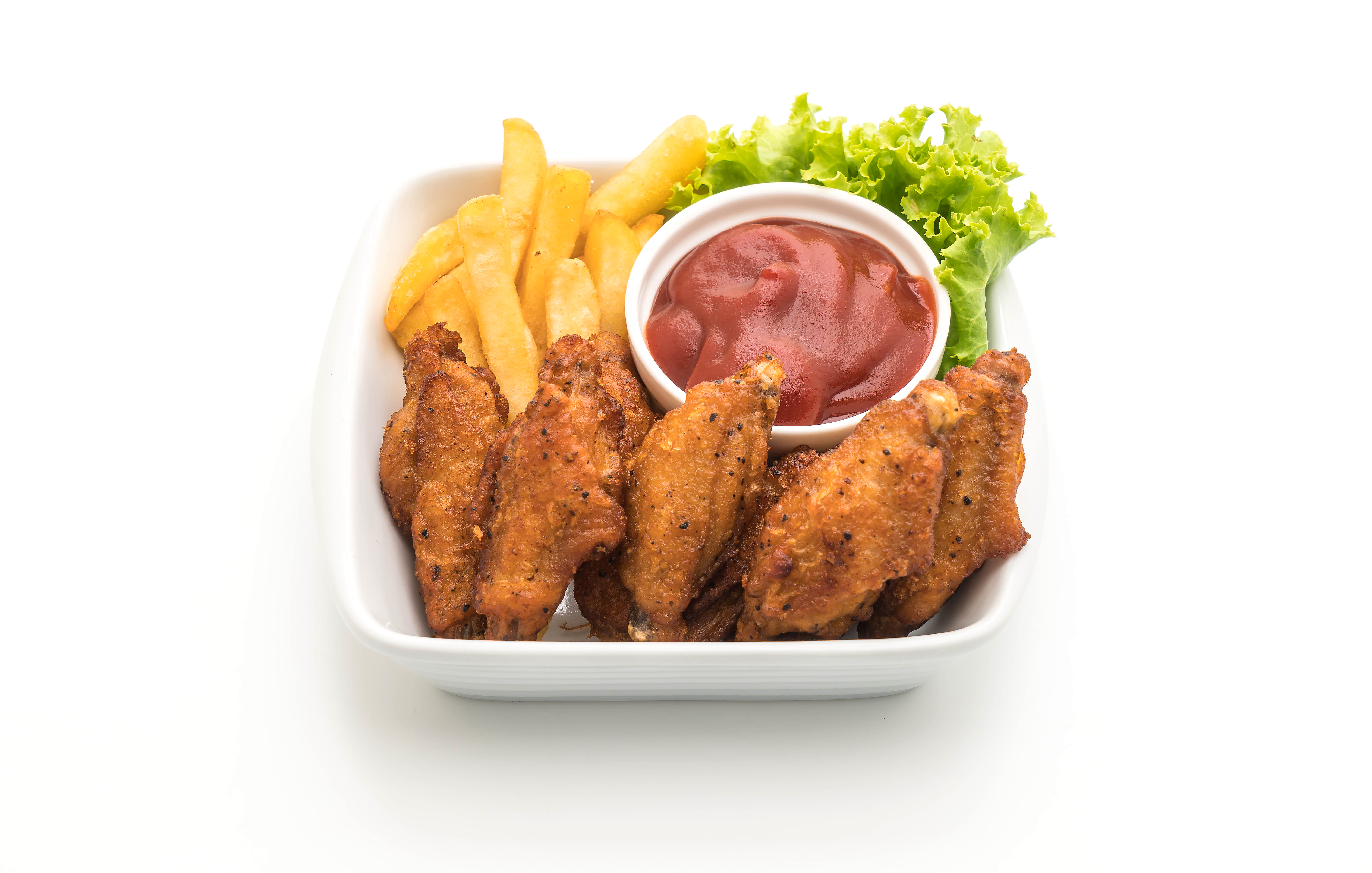
Poultry
Chicken markets stayed mostly steady this week, with breasts, tenders, wings, and thighs showing minimal movement — a welcome stretch of stability for operators watching food costs closely. Wings continue to be one of the best deals in the protein world, and dark meat remains a budget-friendly staple that performs well on menus. Turkey pricing is still elevated year-over-year, and egg prices could see some pressure from increasing avian flu activity.
Outlook: Expect poultry prices to stay generally stable through the holidays. Increased production and ongoing HPAI concerns may tug the market in opposite directions, but neither looks strong enough to cause a major swing. Short-term stability, slight seasonal lift.
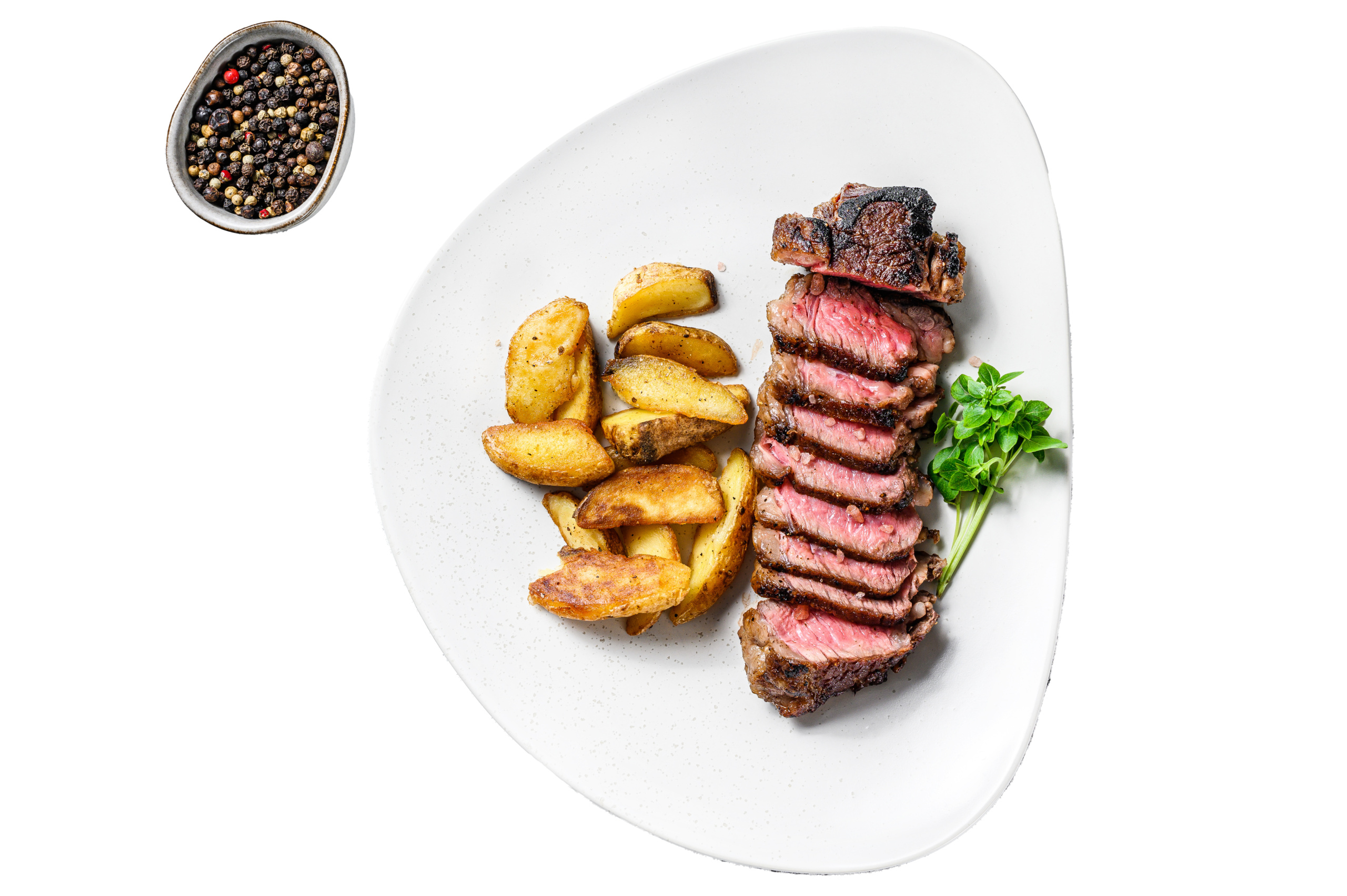
Beef
Beef markets were mixed as premium cuts like ribeyes and striploins softened, creating a rare opening for operators to grab holiday-worthy steaks at more attractive prices. End cuts like chucks and rounds held mostly steady, and trim was supported by continued usage in grinds and value-based menu items. With retailers shifting from turkey to beef promotions, demand is slowly reshaping across the cutout.
Outlook: As retailers clear freezer space from Thanksgiving turkeys and shift to December beef features, expect selective strength in holiday-driven cuts. Most other items should remain steady to slightly lower heading into late December.
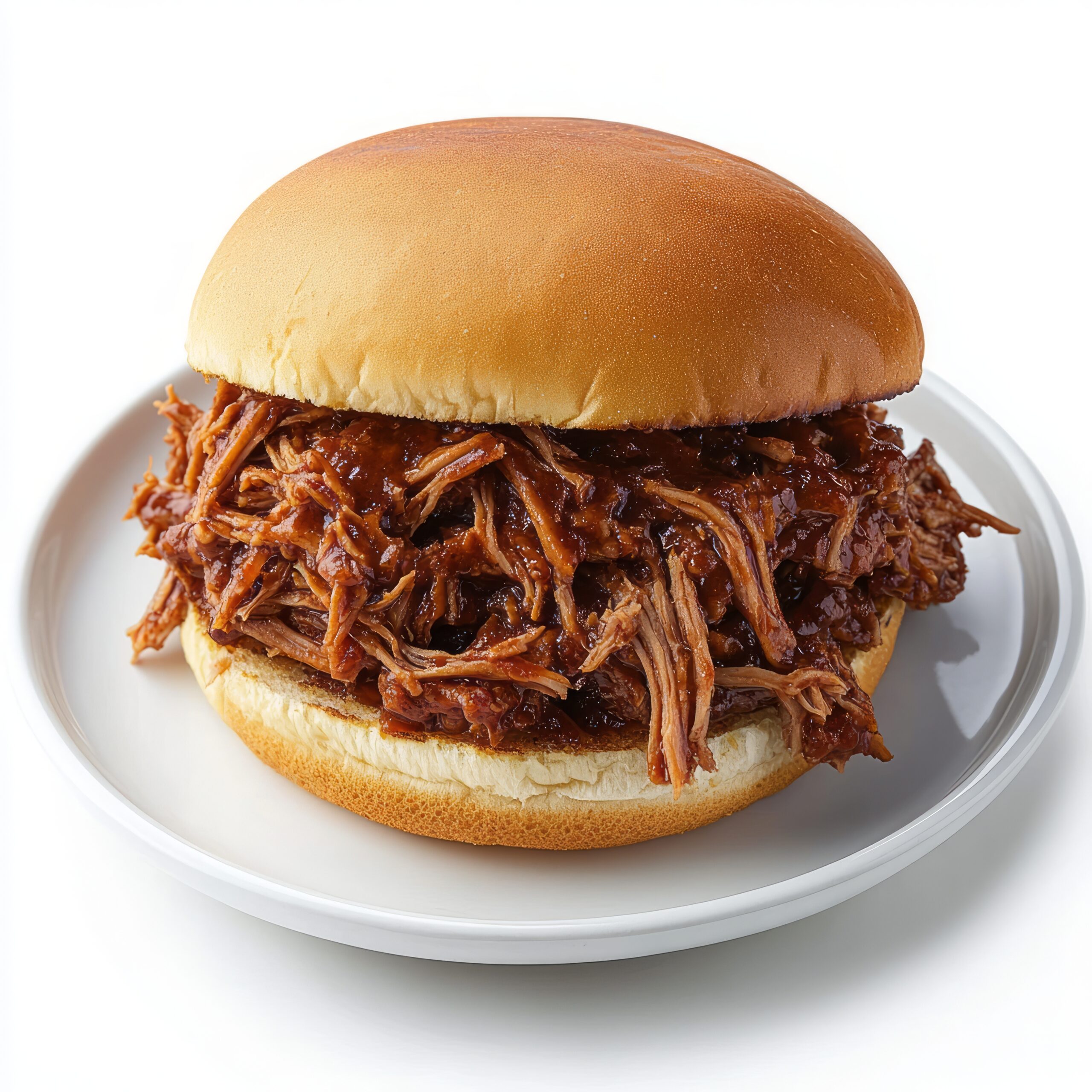
Pork
Pork saw a slightly softer tone overall, with bellies, ribs, and butts slipping while loins and tenderloins held their ground. Export activity helped support boneless pork butts, showing ongoing international interest even as domestic demand stays quiet. For operators, pork continues to be one of the most reliable value proteins heading into winter.
Outlook: With lean hog prices aligning closely with the futures market and no big demand growth expected, the pork cutout is expected to trend flat to slightly lower into early January — good news for operators looking for value proteins.
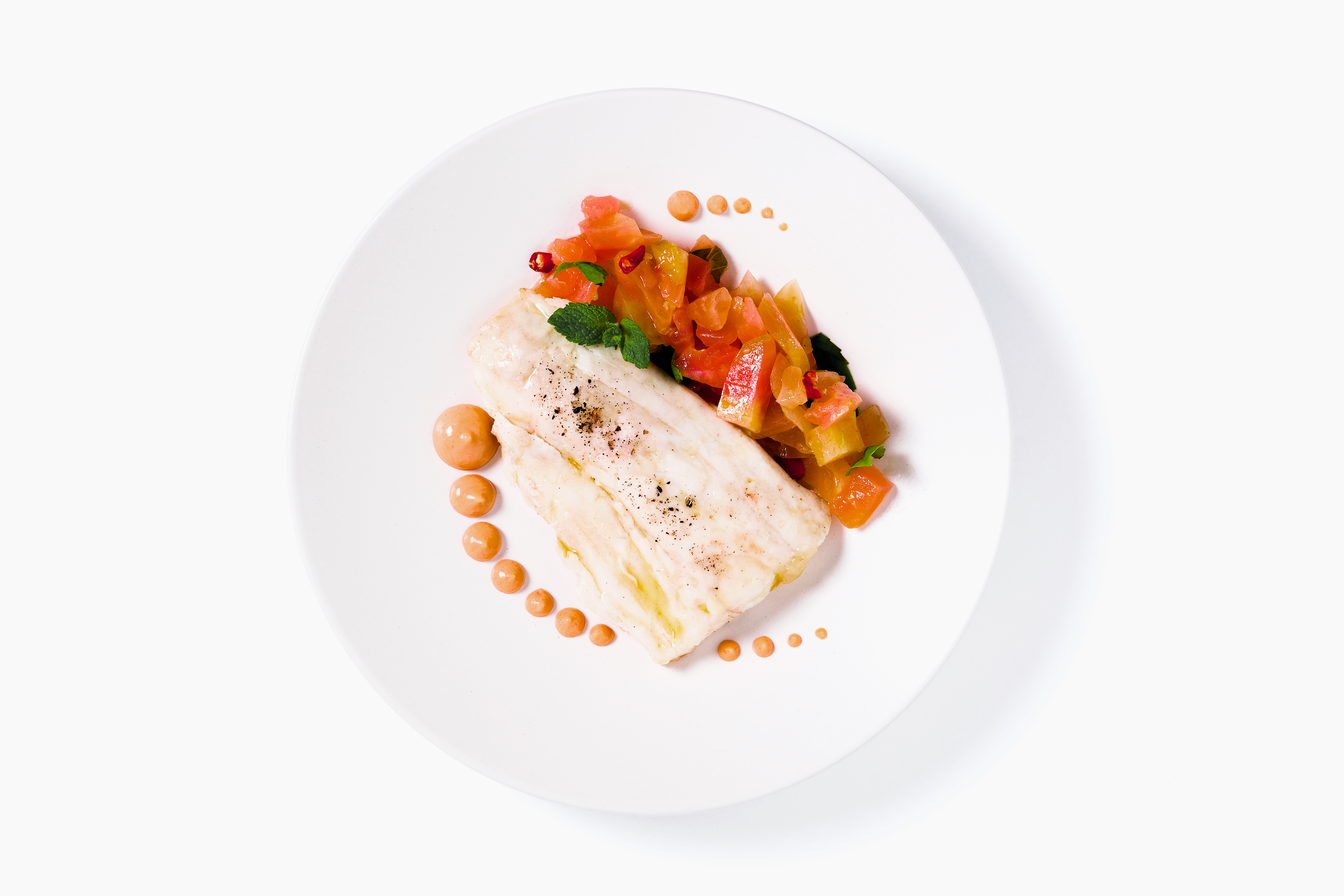
Seafood
Pollock prices bounced after eight straight months of declines, finally breaking their trend of hitting new multi-year lows. While we expect this bump to have extended through fall, market history suggests a softer tone returning in Q1. Operators running fish sandwiches or value-forward seafood should keep an eye out for better buys early next year.
Outlook: Pollock should trend lower in early 2026, making it an opportunity for operators planning LTOs, fish sandwiches, or value-driven seafood offerings.

Produce
Tomatoes dropped quickly after last week’s spike, and supplies should continue improving as we move deeper into December. Lettuce is still holding firmer than expected due to West Coast harvest challenges, but longer-term trends remain bearish. Potatoes are steady and well below last year’s levels, which is a welcome cost relief for fryers and scratch kitchens.
Outlook: Expect tomatoes and lettuce to stay somewhat choppy through January, but the overall bias points lower as supply concerns ease. Potatoes should remain stable through the winter with only minor seasonal bumps.
The Kitchen Sink
Dairy
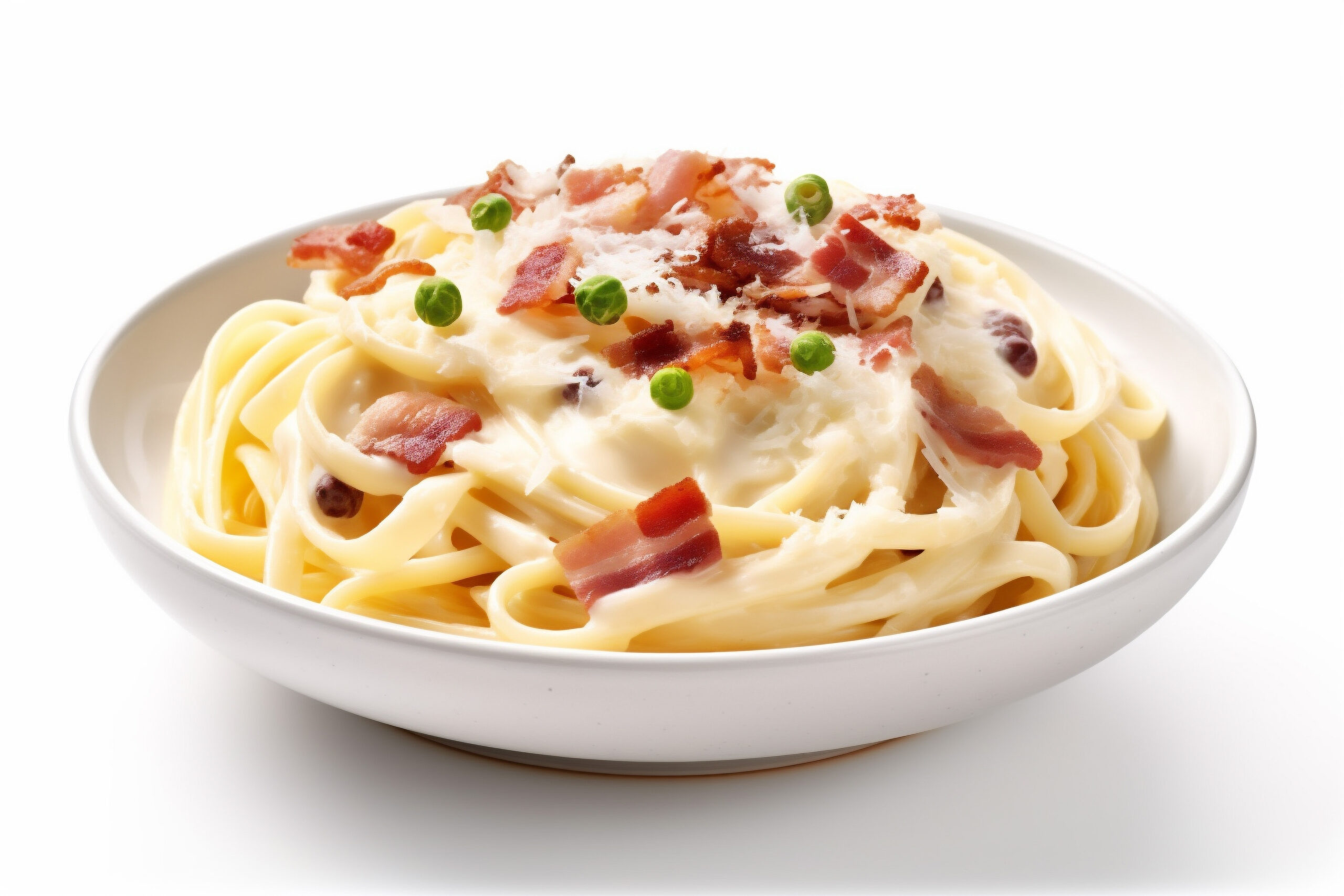
Cheese prices softened again, offering operators helpful cost relief during a heavy pizza, pasta, and comfort-food season. Butter pushed slightly higher as holiday baking demand peaks, but not at a pace that suggests volatility ahead. Fluid milk remained unchanged, keeping overall dairy pricing relatively calm.
Outlook: Cheese should remain favorable through December, while butter likely holds firm before easing after holiday demand fades. Export activity remains quiet and shouldn’t pressure prices near-term.

Grains
Soybean oil continued to show unexpected strength even as soybeans weakened, driven by biofuel policy speculation and shifting usage trends. The market feels slightly overheated, but forward movement still depends heavily on policy signals coming in the next few weeks. Operators leaning on fry stations may want to budget for potential near-term firmness.
Outlook: Expect some volatility as biofuel policy updates unfold. SBO may feel overbought short-term, but operators shouldn’t expect dramatic relief until policy direction becomes clearer post-January.
