


top of mind news
- The Restaurant Rent Problem
- How Restaurants Can Tackle COVID’s New Insurance Challenges
- COVID-19-Related Government Budget Deficits May Spur Aggressive Payroll and Sales Tax Audits
- Boston Black Restaurant Month kicks off in August
Poultry
 Total chicken slaughter for the week ending August 1st was down 3.7% from last year but total ready-to-cook output was down 2.7% on heavier weights. With production slow to rebound, emerging indications are that integrators are in no hurry to ramp production back up anytime soon. Breast meat prices firmed throughout last week, with the wing index continuing to hold support in the $1.900 area. Chicken tenders are, as well on the rise, but the dark meat complex continues to struggle to find support. Emerging export interest from China has done little to shore up outstanding dark meat inventories, and burdensome wholesale supplies are expected to keep a lid on production moving forward.
Beef
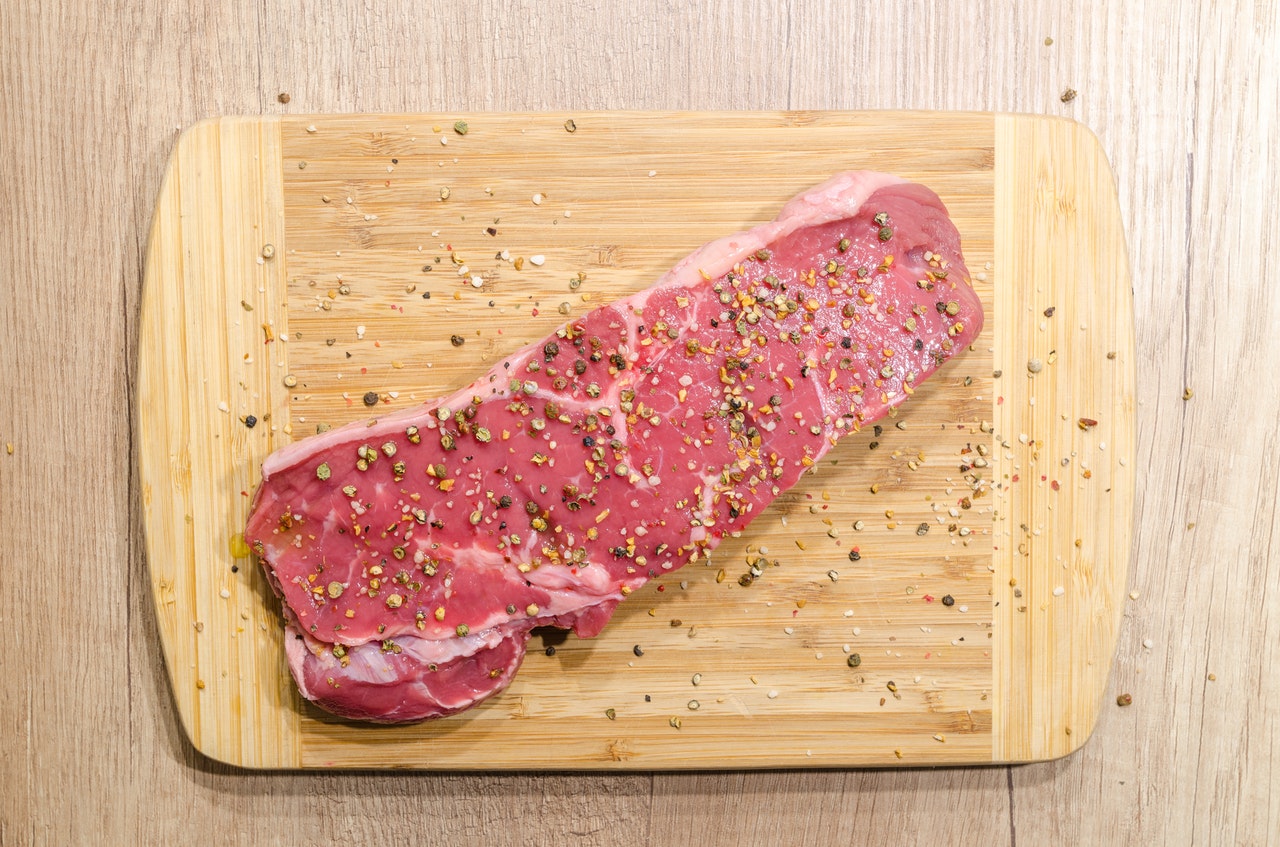
Another light Friday harvest left last week’s cattle throughput 2.2% below last year, but heavier carcasses continue to support total beef production levels. Wholesale beef prices have been edging higher, and further support is expected to occur for the middle meats in the coming weeks. End cuts should find support into the fall months as well. Yet, the Choice cutout is expected to retreat into the early fall. Domestic lean beef trim prices have been fading with larger beef cow kills and languishing end meat prices that are keeping pressure on the trim values. Further modest downside pressure is still likely.
Pork

Pork production last week remained robust, with output up 9.9% (y/y). The ham markets staged a recovery last week but remain well below year ago levels. Belly prices, as well were higher, moving near the $1.100 price area on Friday, and are likely experiencing some seasonal demand interest. Still, lower belly markets are likely to emerge into the early fall. Pork 72 prices are easing following a seasonal mid-summer bump. Further downside potential is expected for lean pork trim, but elevated demand for manufacturing may provide some price support.
THE SEA
Seafood

The snow crab market has been relatively steady. This is despite strong snow crab imports by the U.S. during June. During the month, the U.S. imported 48.5% more snow crab than the previous year. However, the average price, as shown below, was well below the prior year but still historically inflated. Relatively limited snow crab supplies are anticipated to persist during the fall.
THE GARDEN
Produce

The Idaho potato markets have eased during the last week. The potato harvests are underway in the Northwest with Washington and Idaho modestly ahead of schedule but Oregon behind. However, fall potato acreage this year is forecasted to be historically small and the carryover supplies from the prior crop are relatively tight. This could temper any market weakness experienced in the potato markets this fall. Avocado prices are below year ago levels and seasonal charts indicate that the risk in the avocado markets this fall is to the downside.
THE KITCHEN SINK
Dairy
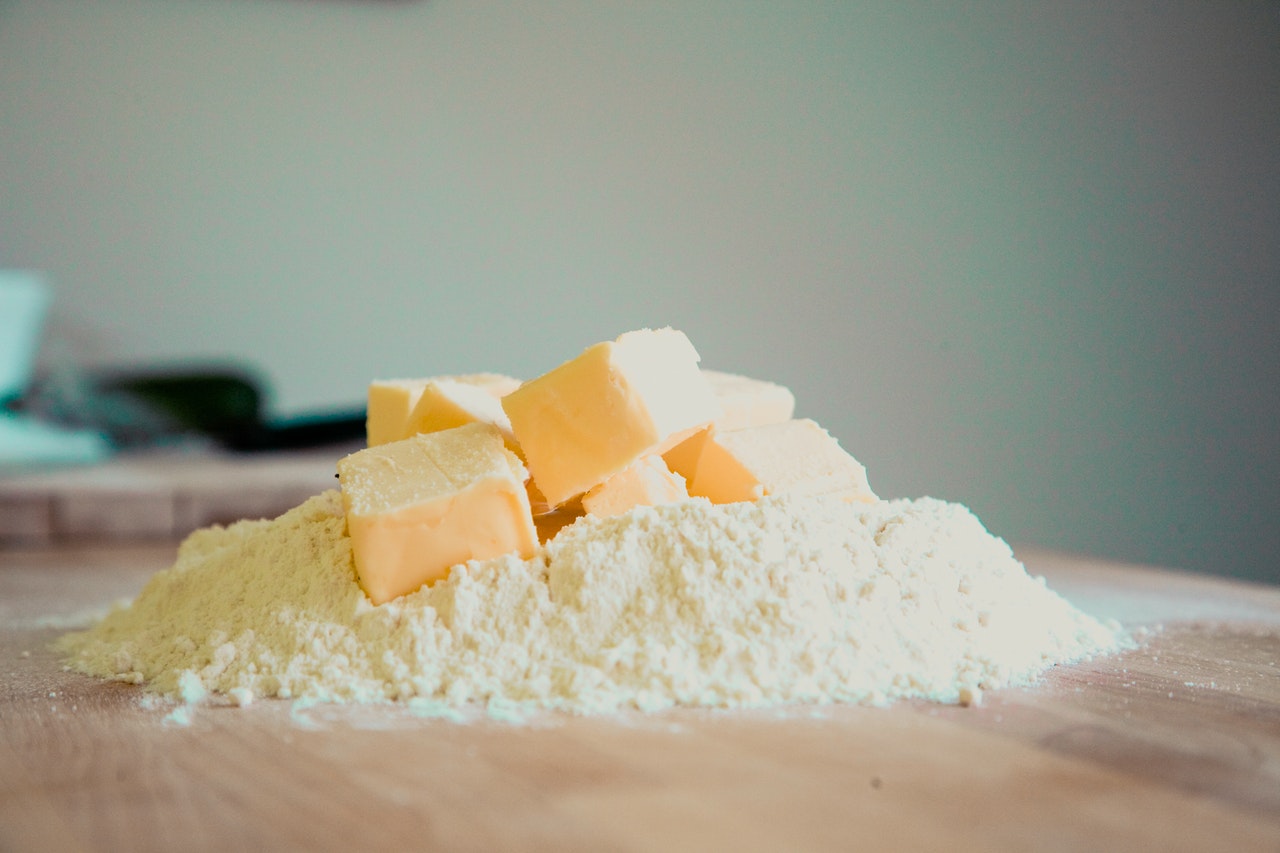
Last week CME cheese block and cheese barrel prices were the lowest in 12 weeks and 13 weeks, respectively. Per the USDA June U.S. cheese exports were up 32.2% (y/y) but the average cheese price during the month was $1.770 versus an average price of $1.959 in June 2019. The cheese markets can still decline in the near term. CME spot butter prices last week were the cheapest in 12 weeks. Domestic butter exports in June were up 8.7% (y/y) but were the second smallest for the month since 2016. The CME spot butter market has not spent a notable period of time below $1.500 since the spring of 2012.
Grains

The food oil markets remain firm due to strong export demand and better biodiesel use. U.S. soybean oil exports in June were up 75.8% from last year and were the second biggest for the month in the last five years. Limited world food oil supplies and improving demand could be supportive of food oil prices into the fall.
Oil

Last week nearby WTI crude oil futures finished higher (w/w) and hit the highest level in 22 weeks. A weakening U.S. dollar over the last several weeks is a supportive sign for U.S. petroleum exports. If the greenback continues to devalue, it may influence crude oil prices higher. Yet, there is price resistance at $49.50.
