


April 7, 2026
This week’s insights on key commodities and market shifts—powered by CommodityONE, exclusively for Dining Alliance members.

Poultry
Young broiler slaughter eased slightly week-over-week and year-over-year, while USDA projects a strong Q2 2026 production increase of 300 million pounds, supported by egg sets and chick placements up about 2% from last year. Chicken prices firmed across major markets, with boneless skinless breast surging 17% in the past month to September highs, though eggs fell below $1 and turkey breasts softened. Feed prices aligned with March 2025 levels, squeezing producer margins year-over-year but keeping them well above the five-year average. Record flock efficiencies could boost supplies beyond expectations later this year. For dining operators, this signals sustained profitability encouraging production amid firm wing pricing upside.
Outlook: Ample chicken supplies from strong production and efficiencies may temper seasonal price gains, but wing markets carry upside risk heading into grilling season.

Beef
Spot cattle trade was light but prices jumped sharply late last week across major states, despite beef production rising 2.2% week-over-week yet down 6.4% year-over-year and 7.6% year-to-date. Packer margins deteriorated further into negative territory, potentially slowing output, with year-to-date slaughter 10% below last year. Boxed beef cutouts for Choice and Select dipped less than 1%, led by rounds, while domestic 90% trim hit record weekly highs. CME feeder and live cattle posted record March closes amid tight supplies. Persistent Southern Plains drought blocks herd expansion signaled by high prices, a key concern for long-term availability.
Outlook: Beef supplies remain critically tight with no near-term relief, supporting elevated prices despite packer margin pressures; drought will hinder expansion for years.
Pork
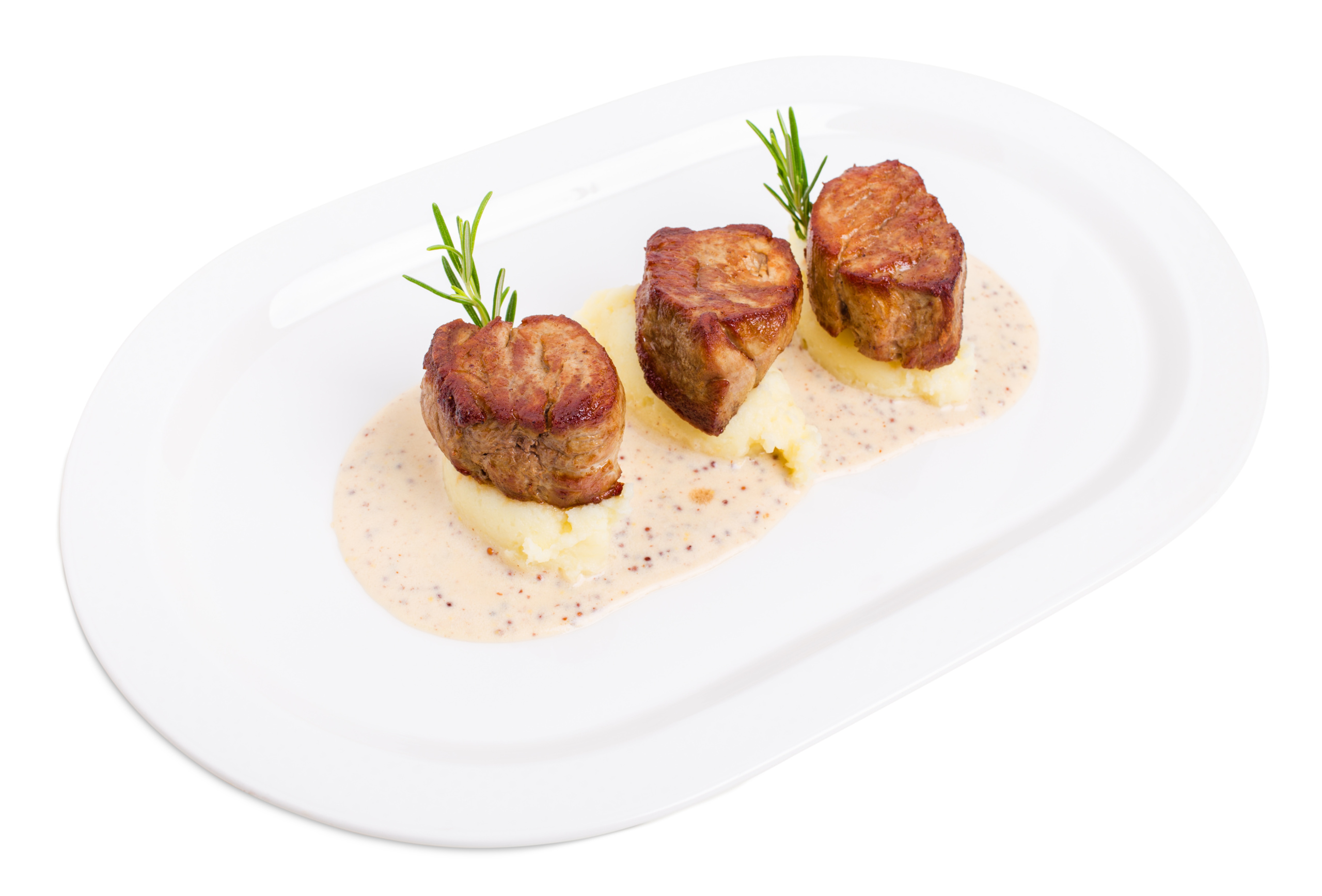
Hog trade softened into late week, with year-to-date output 0.4% below last year, yet the USDA pork cutout edged higher on rib and ham strength—backribs firm amid grilling season and high beef prices. March’s USDA Hog and Pigs Report revealed inventories, breeding herd, pig crop, and sows farrowing below expectations for December 2025-February 2026, likely prompting downward revisions to Q3/Q4 2026 production forecasts (previously +2.8%/+2.4% YoY). Pig-per-litter yields hit record highs, up 2.2% YoY, offering some supply offset. Backrib premiums to St. Louis ribs may cap further gains. Dining buyers should note tighter back-half supplies pressuring availability.
Outlook: Expect USDA to trim pork production outlooks for late 2026 due to low inventories, though rising pig-per-litter yields may mitigate some tightness.
Seafood
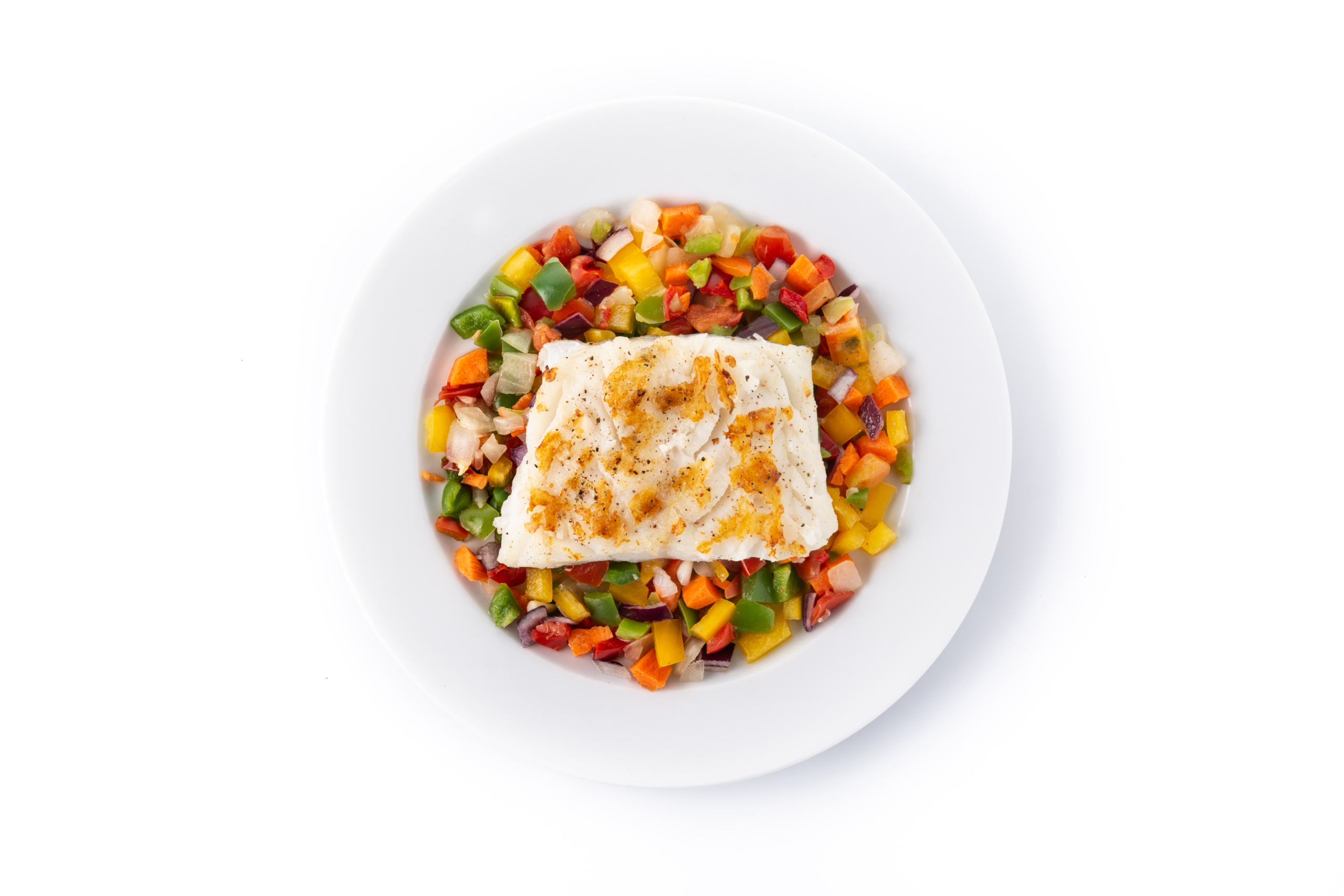
Frozen tilapia filet hit a record low of $1.41/lb in January (down from $1.56 December), capping volatile swings with counter-seasonal import dips in December sparking rebounds before January volumes renewed the downturn. Data since 2012 shows tilapia prices bottoming March-April in most years, with imports similarly low, implying recent real-time climbs. Volatility likely persists short-term. By May, downtrends typically resume. Affordable tilapia provides dining value play amid broader seafood pressures.
Outlook: Tilapia prices are likely rising now from March-April bottoms but set to trend lower by May as imports recover seasonally.

Produce
24-count iceberg lettuce prices declined toward a $10/carton floor last week. Conversely, 25 lb. large Roma tomatoes surged near $40/carton again, extending volatility expected through April until Mexican and Eastern U.S. volumes improve. 48-count Hass avocados reached a year-to-date high pre-Semana Santa but remain deflated versus norms. Demand collapses previously tempered tomato spikes, suggesting a similar pattern ahead. For dining alliances, tomato price swings challenge menu costing, while avocados offer moderate upside potential.
Outlook: Tomato volatility persists until late-month supply ramps; avocados likely climb through June but cap near $40/carton absent disruptions.
The Kitchen Sink
Dairy
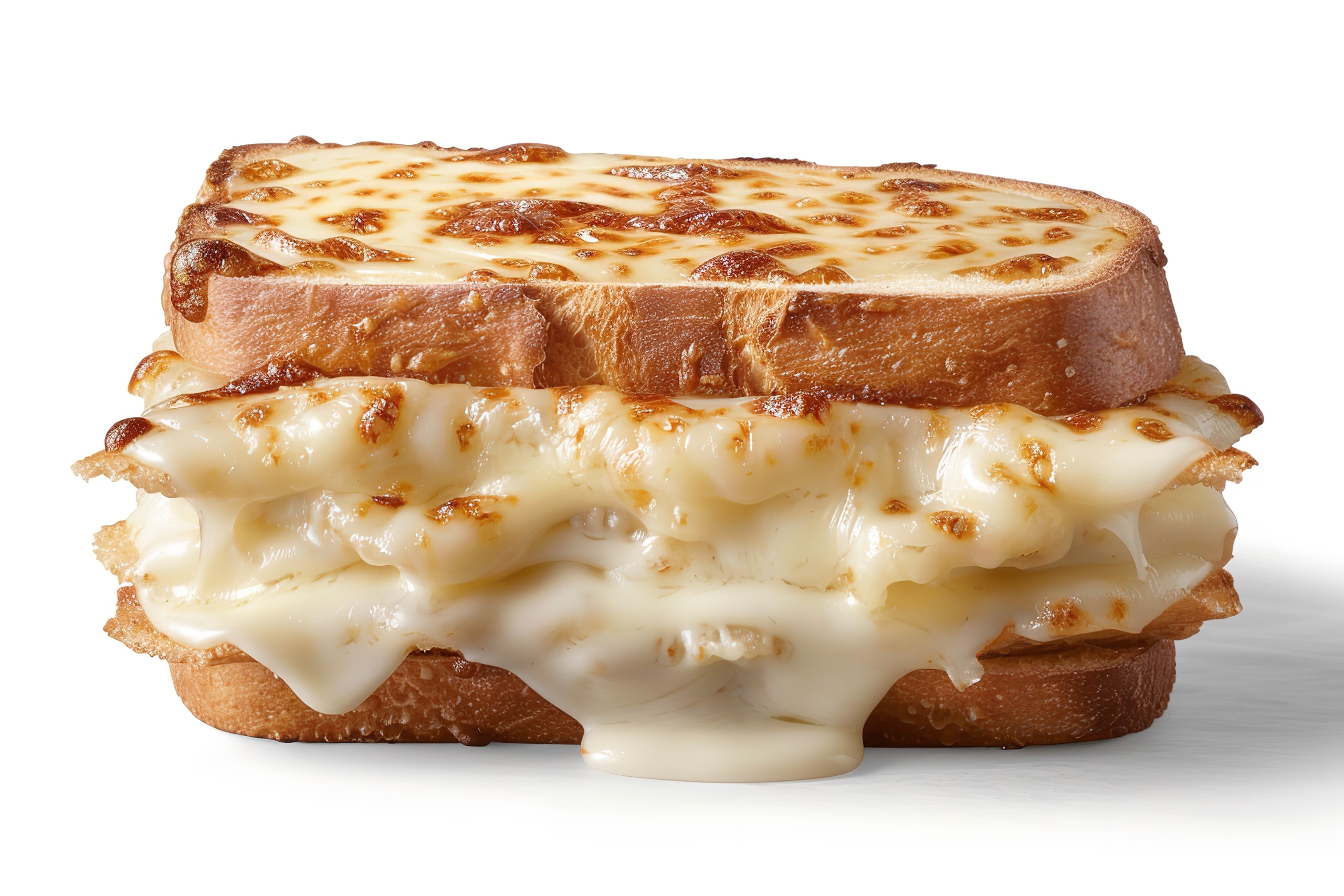
CME spot dairy prices held steady week-over-week (cheese blocks/barrels up <1%, butter down nearly 2%), with U.S. milk production seasonally rising amid Easter-related plant slowdowns pushing surplus to open markets. Class III milk traded below government prices on ample supplies, while cheese sales stayed strong and butter demand was solid domestically. February exports hit near-records: cheese +30% YoY (highest ever), butter +77% (third-highest). Cheese production rose 3.9% YoY, with excess absorbed by exports; butter output +9.1% YoY fully exported plus more. This supports cheese output incentives for foodservice volume buyers.
Outlook: Robust exports and increasing milk production should stabilize prices, with Class III incentivizing cheese yields amid strong demand.
Grains
Grains showed mixed performance last week amid biofuel news, USDA planting/stocks reports, Middle East tensions, and weather, with soybean oil stalling post-March rally despite EPA’s strong 2026/27 biomass diesel mandate. Soybeans remained stable, unmoved by reports or EPA news, possibly awaiting delayed Trump-Xi trade talks in May. Crude oil weakness and SBO demand doubts weighed on oil prices. Sector reactions varied, underscoring uncertainty for feed costs. Dining operators monitoring grains should brace for potential volatility tied to geopolitics and policy.
Outlook: Soybeans and oils stay range-bound pending trade developments; EPA mandates offer long-term SBO support but face near-term demand skepticism.
