Join our newsletter to stay up to date on features and releases.
April 28, 2026
This week’s insights on key commodities and market shifts—powered by CommodityONE, exclusively for Dining Alliance members.
Poultry
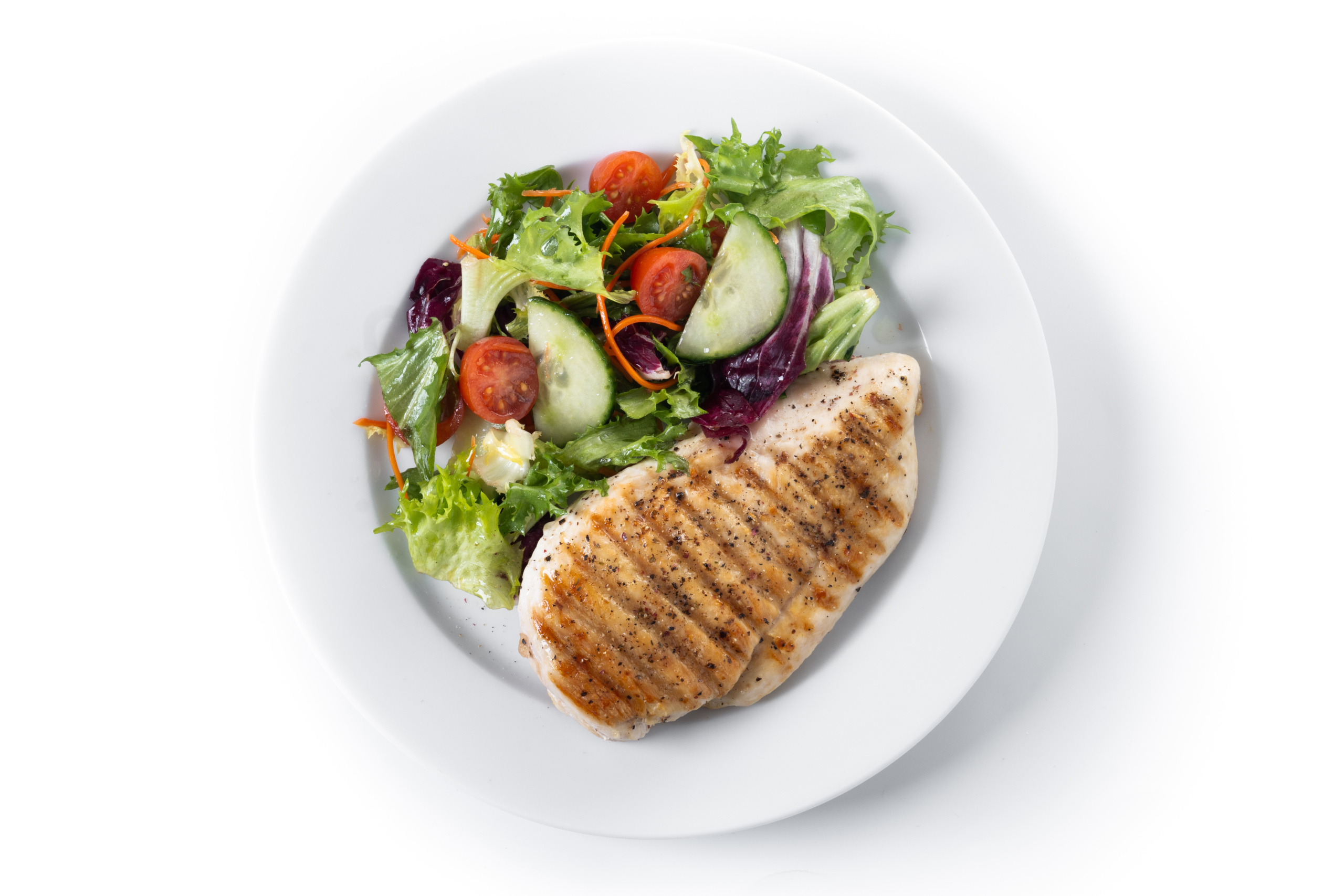
Chicken production continues to rise, now running over 3% above last year, which is keeping pricing softer across wings and boneless breasts. Eggs remain historically low but carry upside risk, while strong chick placements and a growing broiler flock point to steady supply ahead. This is one of the few protein categories currently working in operators’ favor from a cost standpoint.
Outlook: Chicken should remain a margin-friendly protein in the near term. Use the stability to offset higher-cost categories, but monitor eggs and wings for potential cost swings.
Beef
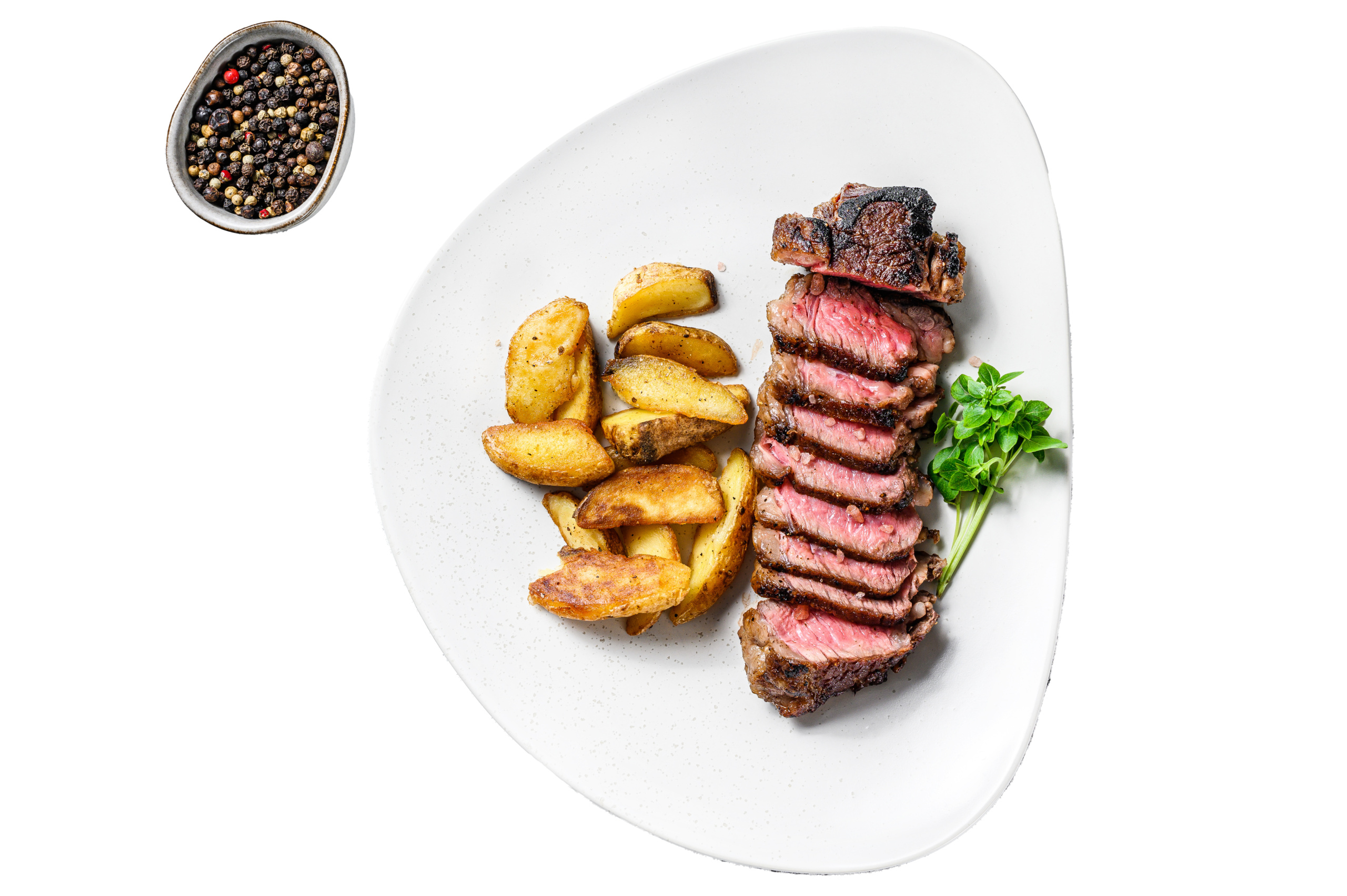
Beef output ticked higher late in the week but remains well below last year due to tight cattle supplies, with production down over 5% year-to-date. Cutout values moved higher, especially for briskets and flanks, while lean trim continues to feel pressure from limited cow supply. Reduced cow and bull slaughter is tightening availability for ground beef inputs across the supply chain.
Outlook: Tight supply will continue to support beef prices, particularly for ground beef inputs. Relief isn’t likely near-term, especially as herd rebuilding limits available cattle.
Pork
Pork production dipped slightly week over week but remains above last year, with cutout values rising behind strength in butts and ribs. Bellies hit a 10-week low, creating a potential short-term value opportunity. Lower sow slaughter is signaling herd rebuilding, which could shift supply dynamics later this year.
Outlook: Near-term pricing should stay manageable, with some promotional opportunities on bellies. Longer term, reduced sow slaughter points to improved supply later this year.
Seafood
Tilapia prices rebounded in February after hitting seasonal lows, continuing a pattern of sharp monthly swings. The market remains highly volatile, with prices bouncing within a wide range. Seasonal trends suggest prices typically climb into spring before easing back.
Outlook: Expect continued short-term volatility, with prices likely peaking in spring before trending downward again into summer.
Produce
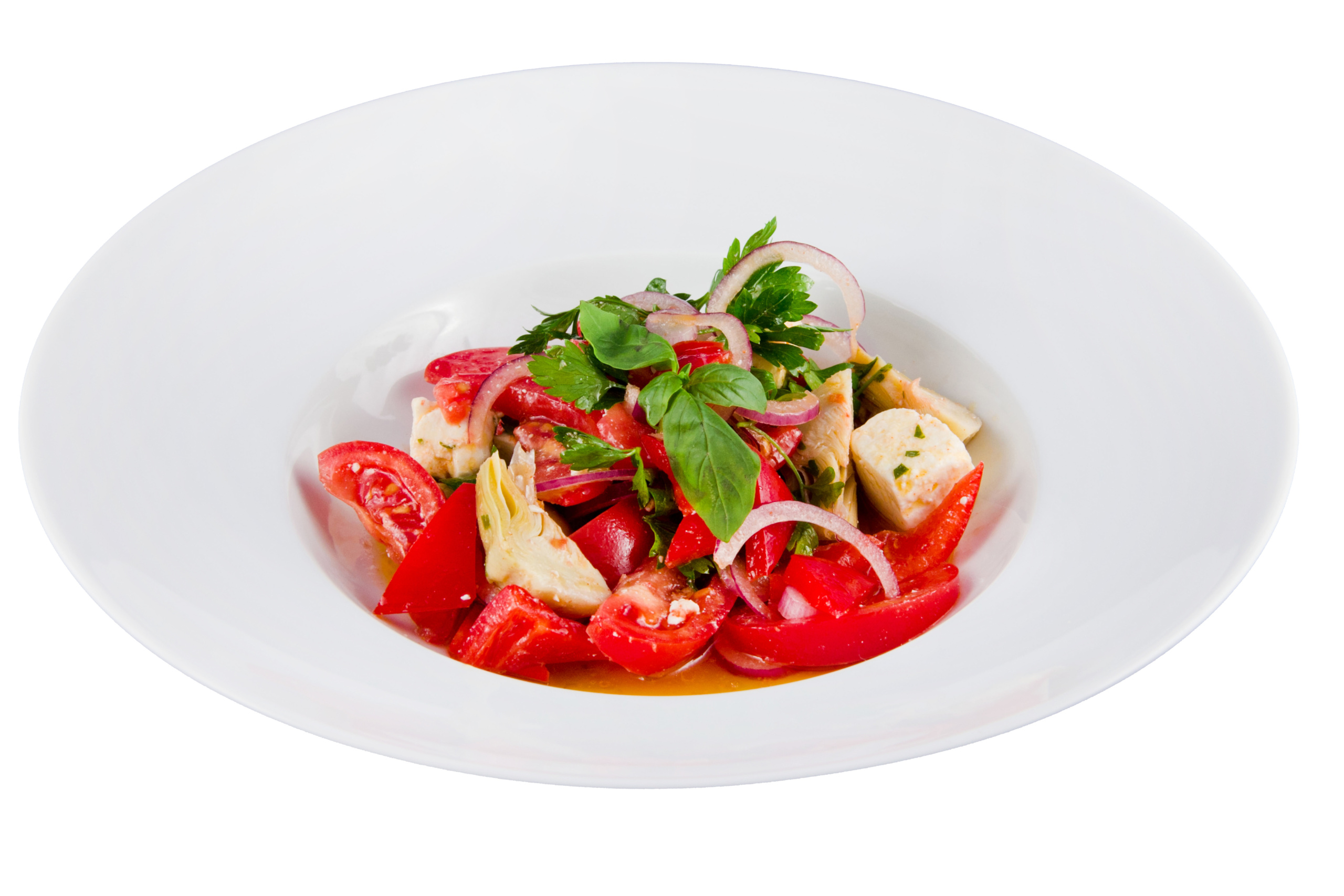
Tomatoes are holding high, while iceberg lettuce is spiking again due to supply gaps during the Yuma-to-Salinas transition. Onion volatility is being driven by white onions, though the spike is expected to be short-lived. Weather disruptions and uneven regional supply are continuing to drive short-term price swings across key items.
Outlook: Lettuce is the key watch item with more upside risk before stabilizing. Onion markets should normalize soon, offering some relief in the near term.
The Kitchen Sink
Dairy
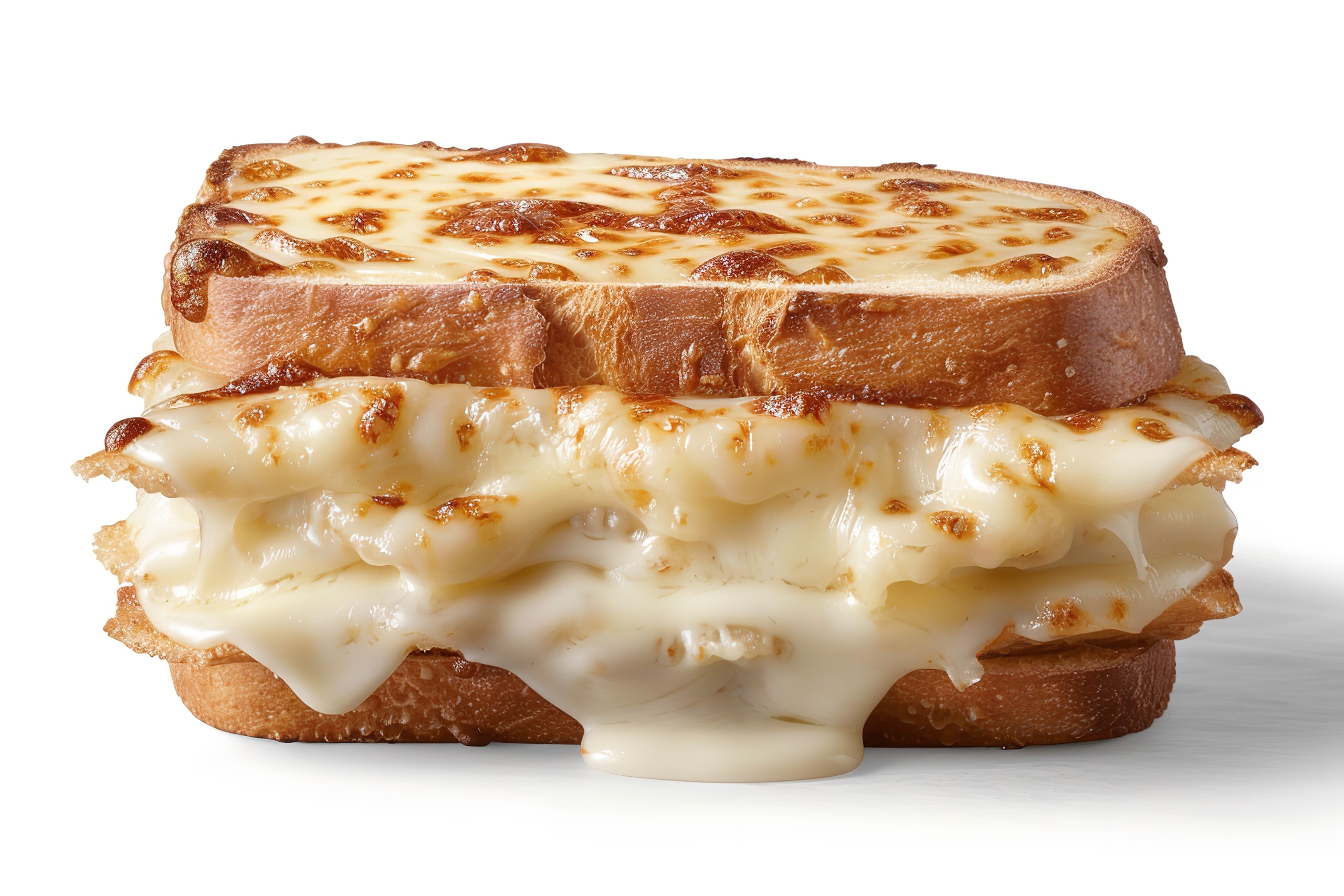
Cheese and nonfat dry milk moved higher last week, while butter and whey softened. Milk production is increasing seasonally, supported by a growing herd, which is helping keep supply balanced. Expanding herd size is creating a structural cushion that’s limiting aggressive price movement.
Outlook: Expanded milk supply should help cap major price increases, keeping dairy relatively stable. Watch for potential softening in export-driven categories like cheese.
Grains
Wheat remains the headline mover as drought conditions intensify in key growing regions, despite some expected rainfall. Soybeans were quieter after recent volatility, but the broader grain complex trended positive. Drought severity is increasing in already-impacted areas, adding pressure to yield expectations.
Outlook: Wheat prices could stay elevated in the near term due to worsening drought conditions. Longer term, weaker export demand may start to ease pressure.
Melissa Evans
Melissa Evans is the Content Marketing Manager for Buyers Edge Platform, bringing over six years of foodservice industry experience straight to the inboxes of independent restaurant...
Recent posts
Check out more news and insights from the food service industry
The Dish Market Report August 24, 2026
This week’s insights on key commodities and market shifts—powered by CommodityONE, exclusively for Dining Alliance members.