

Opening a restaurant or giving your kitchen a refresh? You’re going to need more than just a dream menu and a great location. Without the right gear in place, even the best recipes fall flat when service hits. This guide walks through the must-haves, the nice-to-haves, and the “wish someone had told me sooner” pieces that keep kitchens running smoothly during the dinner rush. This restaurant equipment checklist breaks down what you actually need to run a reliable, high-performing kitchen—without overbuying or missing critical pieces.
What is Restaurant Equipment?
Restaurant equipment covers the backbone of any kitchen: heavy-duty cookers, prep tools, storage units, and cleaning gear that handle daily rushes. Beyond the obvious ovens and fridges, count in ventilation hoods, fire systems, and temp checkers. The best setups match the menu, handle peak volume, squeeze every bit of efficiency, and cut long-term headaches like breakdowns or failed inspections.
Essential Restaurant Equipment Checklist
Use this restaurant equipment checklist as a foundational starting point. Adjust equipment quantities and types based on your menu and volume, such as additional fryers for wing-heavy concepts or dough mixers for pizza-focused operations.
Cooking Equipment
Ovens
☐ Convection models for quick roasting and baking
☐ Combi ovens blending steam and dry heat
☐ Deck ovens if pizza or artisan breads dominate
☐ Conveyor types for sandwiches or high output
☐ Proofing or holding cabinets to keep food hot without drying out
Capacity matters most. Look for fast heat recovery, easy-clean doors, and controls that staff won’t fight.
Ranges and Ventilation Systems
☐ Heavy-duty gas ranges (or induction for cleaner heat)
☐ Hoods with solid CFM ratings and make-up air
☐ Fire suppression built right in, plus extinguishers nearby
Ventilation isn’t optional; it’s the lungs of your kitchen. Size it right or risk smoky disasters and code violations.
Grills and Griddles
☐ Charbroilers for those flavor marks
☐ Flat-top griddles that multitask all shift
☐ Salamanders for torching finishes
☐ Grease traps that actually work
Thicker plates hold heat better. Plan grease runoff paths to save scrubbing time.
Deep Fryers
☐ Open-pot or pressure styles
☐ Filtration systems to extend oil life
☐ Shortening disposers or dump stations
Recovery speed keeps orders moving. Factor in fire nozzle clearances from day one.
Microwaves
☐ Commercial units with heavy-duty cycles
☐ Programmable buttons for repeats like reheats
Skip home versions; they burn out fast under pro use.
Food Preparation Equipment
Food Processors
☐ Batch bowls for dips and purees
☐ Continuous feeds for shredding veggies non-stop
☐ Swappable blades for every cut
Horsepower and safety locks prevent jams and accidents.
Mixers
☐ Planetary for doughs and batters
☐ Spiral for bread-heavy menus
☐ Full accessory kits (whips, hooks)
Match bowl size to batch needs. Gear-driven beats belt for longevity.
Slicers
☐ 12-inch blades cover most meats and cheeses
☐ Auto or manual feed
☐ Easy-release parts for sanitation
Train on sharpening to avoid dull blades slowing service.
Prep Counters and Cutting Boards
☐ Chilled rail tables for salads or pizzas
☐ Sturdy stainless tables with undershelves
☐ Color-coded boards to dodge cross-contam
NSF stamps mean they’re built to last and pass checks.
Sharpening Tools
☐ Steels, stones, or electric sharpeners
☐ Magnetic racks for safe storage
Sharp knives speed prep and cut injury risks.
Refrigeration and Cold Storage
Refrigerators
☐ Reach-ins with glass doors for grab-and-go
☐ Undercounters tucked under workstations
☐ Walk-ins for scale-ups
Door swings and gasket seals dictate flow. Ambient temps affect performance.
Freezers
☐ Upright reach-ins
☐ Chest or undercounter options
☐ Paired walk-ins
Auto-defrost saves energy but watch recovery times.
Ice Machines
☐ Cube or nugget makers
☐ Bins with guards against contamination
☐ Water filters mandatory
Air-cooled run hotter—plan vents. Oversize by 20% for busy nights.
Storage and Shelving
Storage Racks and Shelving
☐ Wire shelves for airflow
☐ Dunnage for heavy pots
☐ Mobile pan racks
6 inches off the floor keeps pests out and inspectors happy.
Food Storage Containers
☐ Poly cams with snap lids
☐ Bulk bins for dry goods
☐ Label holders for dates and allergens
Stackable saves space; clear sides spot low stock fast.
Warewashing and Cleaning Equipment
Sinks
☐ Triple tubs for manual wash-rinse-sanitize
☐ Hands-free hand sinks everywhere needed
☐ Pot sinks with oversized drains
Drainboards prevent slop. Foot pedals beat hands-down.
Dishwashers and Washing Equipment
☐ Door-type rack machines
☐ Undercounters for smaller ops
☐ Boosters for hot rinse
High-temp or chem-sani? Match to your water setup.
Mop and Utility Sinks
☐ Curbed floor sinks
☐ Chem dispensers nearby
☐ Squeegees and signs
Backflow preventers are non-negotiable.
Safety and Compliance Equipment
Fire Suppression and Ventilation Safety
☐ Ansul systems on hoods
☐ Multi-class extinguishers
☐ Filter changes on schedule
Annual certs keep premiums low.
Personal Protective Equipment
☐ Gloves (cut-resist, heat-proof)
☐ Aprons, mats for slips
☐ First-aid stocked deep
Policies enforce it; posters help.
Temperature Monitoring Tools
☐ Digital probes (calibrate weekly)
☐ IR guns for grills
☐ Chart recorders for coolers
Logs prove diligence during audits.
Front-of-House and Service Equipment
Servingware and Smallwares
☐ China or melamine at 2.5x covers
☐ To-go boxes in bulk
☐ Bus tubs, trays, condiment caddies
Durability trumps fancy—drops happen.
Beverage and Coffee Equipment
☐ Filtration for pure water
☐ Batch brewers with thermals
☐ Espresso if lattes sell
☐ Draft lines with chillers
Clean weekly or flavors sour.
Point of Sale (POS) Systems
☐ Touchscreens with cloud backup
☐ Card readers (tap-ready)
☐ Reporting for inventory tweaks
Offline mode saves rush-hour crashes.
Kitchen Display Systems (KDS)
☐ Screen bumpers by station
☐ Timers for pacing
☐ Allergen pop-ups
Cuts errors, speeds expo.
How to Choose the Right Restaurant Equipment
This part of the restaurant equipment checklist helps operators think beyond brands and prices to how equipment actually performs during service.
Kitchen Size, Layout, and Workflow
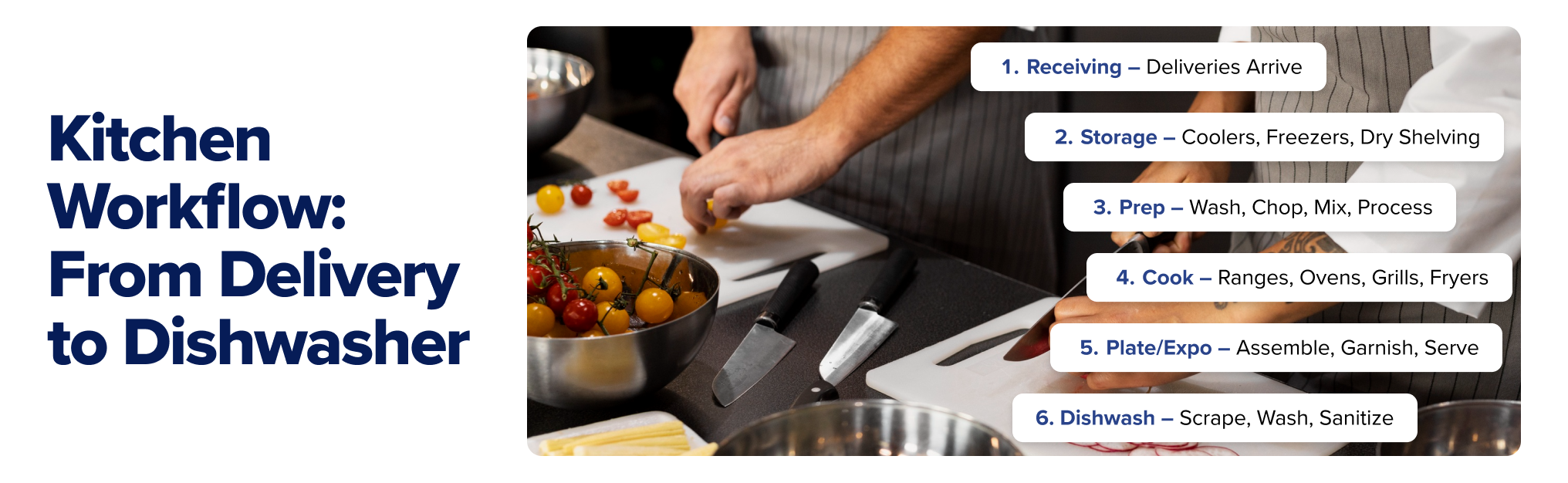
Sketch the flow: dirty to clean, cold to hot. Clearances around doors prevent chaos. Rush-hour sims reveal pinch points.
Equipment Quality and Durability
NSF/ETL badges signal pro-grade. Welds over bends, stainless over painted. Local parts stock means quick fixes.
Energy Efficiency and Operating Costs
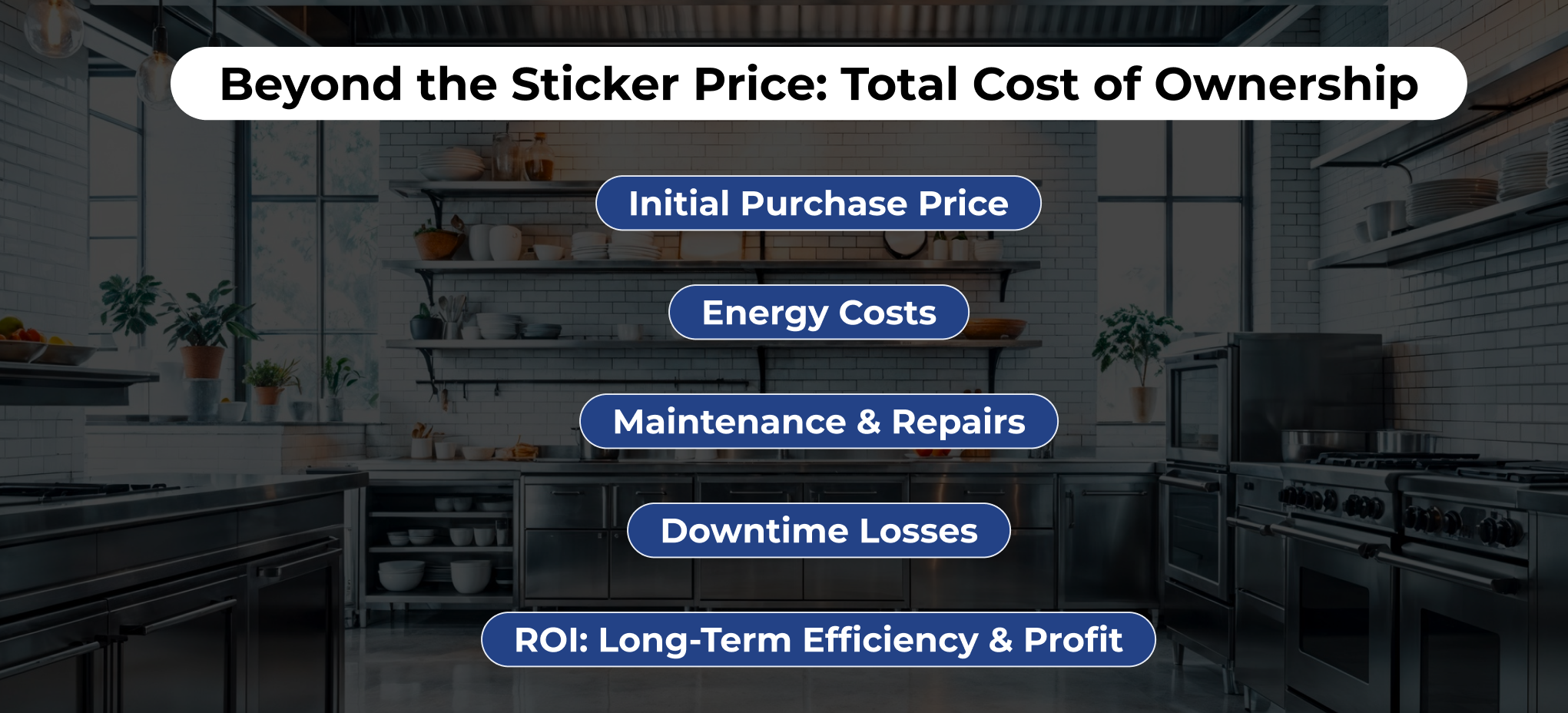
Stars-rated gear pays back in bills. Induction sizzles without oven-like heat. Calc full lifecycle costs upfront.
Ease of Cleaning and Maintenance
No-tool breakdowns, coved corners. Access panels for coils. PM checklists from install day.
Compliance With Health and Safety Regulations
Hoods to code, sinks spaced right. Local health depts spell must-haves—consult early.
Buying Restaurant Equipment Through Dining Alliance
Buying restaurant equipment isn’t just a financial decision—it’s an operational one. The right choice depends on what you’re buying, how long you expect to use it, and how it fits into the rest of your operation.
Some equipment makes sense to purchase outright. Core items like ovens, refrigeration, and ranges tend to be long-term workhorses and are often worth owning. Leasing can be a better fit for technology-driven equipment like POS systems or anything that benefits from bundled service and easier upgrades. Financing sits in the middle, spreading out costs while keeping cash available for staffing, inventory, or opening expenses.
But equipment decisions don’t happen in isolation. Who you buy from, how reliable those suppliers are, and what other categories you’re overspending on all matter. That’s why many operators pair equipment decisions with a broader look at how to find reliable and affordable restaurant suppliers, so they’re not solving one problem while creating another.
It’s also a smart time to review costs beyond the kitchen. Equipment service, uniforms, waste management, credit card processing, and other non-food expenses add up fast. Dining Alliance members often layer in Beyond Broadline programs to reduce those costs while keeping their existing vendors and processes in place.
The goal isn’t just to buy equipment—it’s to make purchasing decisions that support the business long after install day.
Common Mistakes to Avoid When Buying Restaurant Equipment
Even experienced operators get tripped up here. Equipment decisions are often made fast, under pressure, and with big price tags attached. Avoiding these common mistakes can save serious money, time, and frustration once service starts.
Overbuying or Buying the Wrong Equipment
More equipment doesn’t equal a better kitchen. Buying oversized or specialty gear “just in case” usually leads to wasted space, higher utility costs, and tools that collect dust. Start with what your menu actually requires during peak service, not what sounds impressive on a spec sheet. You can always add later. Removing unused equipment is a lot harder.
Ignoring Installation and Space Requirements
That new fryer might fit on paper, but door widths, floor drains, hood capacity, gas lines, and electrical loads can derail an install fast. Operators often budget for the equipment itself and forget the hidden costs: permits, floor reinforcements, ventilation upgrades, or reworking plumbing. Measure twice, confirm utilities, and loop in installers early to avoid opening delays.
Choosing Price Over Long-Term Value
Cheap equipment looks good on day one and hurts on day ninety. Lower-cost units often mean thinner materials, weaker components, and limited service support. Repairs stack up, downtime increases, and replacement comes sooner than planned. Paying a bit more upfront for durability, parts availability, and warranty coverage usually costs less over the life of the equipment.
Failing to Plan for Maintenance and Repairs
All equipment breaks eventually. The mistake is not planning for it. Skipping routine maintenance, ignoring filter changes, or lacking service agreements leads to emergency repairs at the worst possible times. Build preventive maintenance into your operation from the start and choose equipment brands with local service support. A fryer down on a Friday night is never just a small problem.

Final Thoughts
Nail the restaurant equipment checklist by prioritizing menu musts, peak sizing, tough builds, and upkeep plans. Smart buys launch strong, sustain profits. Partner up to cut waste and crank tickets.
If you’re using this restaurant equipment checklist to plan purchases or upgrades, the right procurement partner can make a measurable difference. Click here to see how our digital foodservice procurement solutions help operators cut costs fast—without changing vendors, products, or processes.
FAQs
This restaurant equipment checklist is designed to help operators plan purchases, avoid common mistakes, and pass inspections with confidence.
What equipment does every restaurant need?
Core kit: range/oven/griddle, fridges/freezers, prep mixer/processor, sinks/dishwasher, hood/fire gear, shelves/containers, thermometers, smallwares. Layer on menu specifics.
How often should restaurant equipment be replaced?
7-15 years for most with care. Fryers/ice sooner if abused. Repairs over half new price? Swap it.
Is it better to buy or lease restaurant equipment?
Buy for longevity keepers, lease for cash-flow ease or quick-tech turnover. Mix wins.
What equipment is required to pass health inspections?
Hand sinks galore, 3-comp warewash, temp-holding units, NSF everything, logs/probes. Local rules rule—verify.
How do I prioritize equipment purchases for a new restaurant?
- Vent/cold/warewash foundations
- Cooking core (range, oven, fryer)
- Prep/storage/safety
- FOH/POS polish. Buffer 20% for surprises