


Running an independent restaurant isn’t for the faint of heart. Between rising food costs, difficulty finding and keeping good employees, and utilities that seem to creep higher every month, it’s no wonder operators often feel like their margins are getting smaller faster than their prep list.
The good news? Cutting costs doesn’t have to mean cutting quality—or the experience your guests love. In fact, by making smarter, more strategic decisions, independent operators can run leaner, more profitable businesses without sacrificing what makes them unique.
Before we dive into the strategies, let’s look at where most of your dollars are actually going.
Where Do Most of Your Costs Come From?
Running a restaurant means juggling multiple expense categories, and knowing where your money is tied up makes it easier to identify savings opportunities. Here’s a breakdown of the most common costs:
- Food & Beverage (28–35% of sales): Ingredients, beverages, condiments—anything that hits the plate or glass.
- Labor (25–35%): Wages, benefits, and payroll taxes for both back and front of house.
- Occupancy (8–12%): Rent or mortgage payments, property taxes, and insurance on your space.
- Utilities (2–6%): Electricity, gas, water, waste removal—those “background” costs that are easy to forget until the bill comes.
- Operating Expenses (5–10%): Supplies, repairs, cleaning, linens, technology, marketing, and everything else that keeps the doors open.
With costs spread across so many categories, the trick is finding smart, practical ways to trim without diminishing your guest experience. That’s where the following strategies come in.
1. Design Your Menu for Profitability
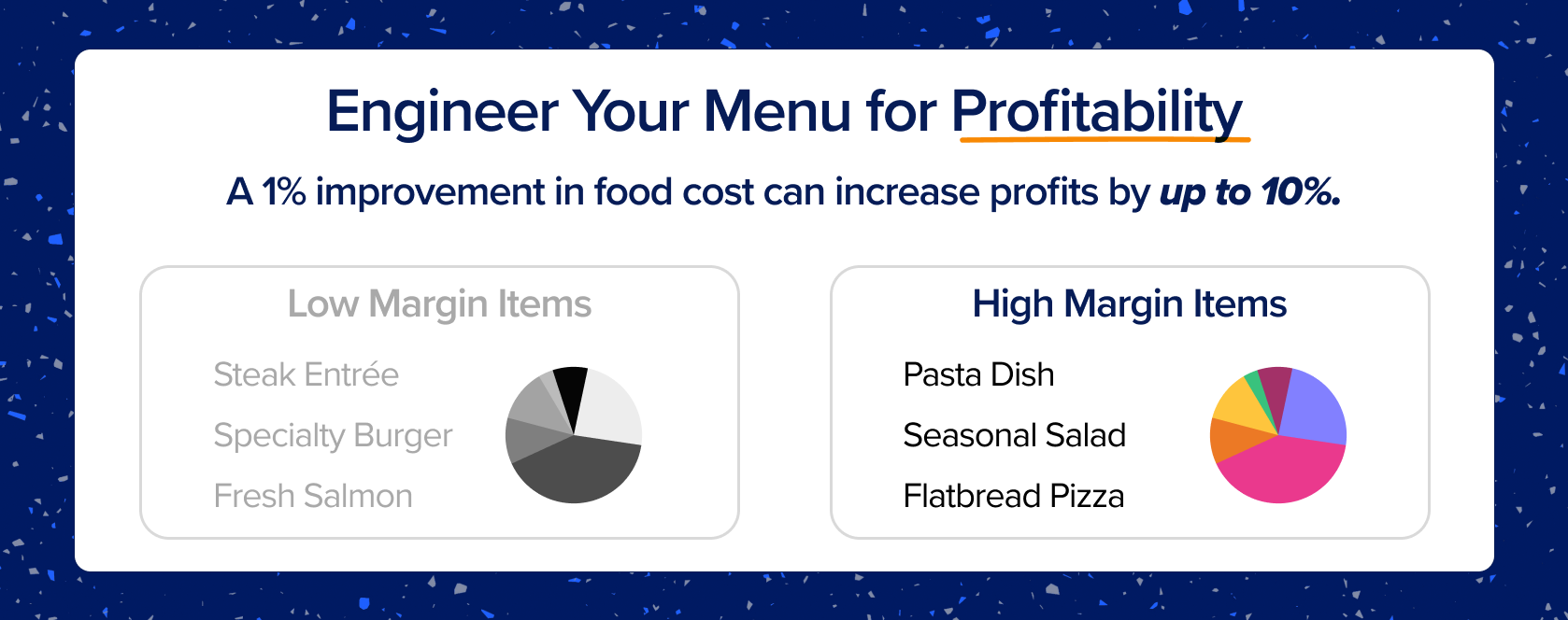
Don’t just serve what sells, serve what sells well. Put high-margin items on your menu in bold letters, and think about changing or getting rid of dishes that don’t sell. You can make more money without changing the way your guests feel about their stay by doing some simple menu engineering.
2. Leverage Restaurant Group Purchasing Power
Why pay full price when you can shop like the big stores? You can get cashback rebates, special prices, and lower prices on the goods and services you already use by joining a group purchasing organization (GPO).
3. Use Smarter Inventory Management to Cut Down on Food Waste
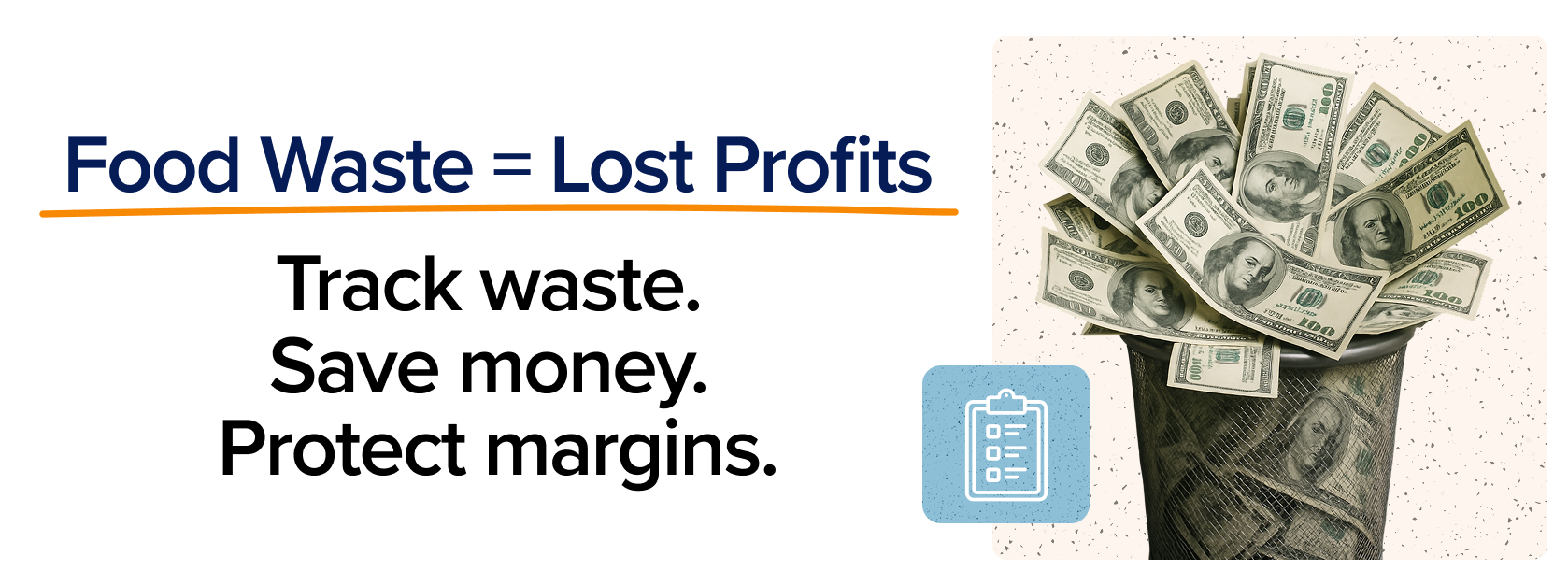
Keep track of what comes in, what gets used, and what gets thrown away. Using back-office technology or even a simple waste log can help you find patterns and stop ordering too much and wasting money.
4. Simplify Your List of Suppliers
Too many vendors make things too complicated. Fewer, stronger relationships with suppliers often lead to better prices, consistency, and rebates.
5. Cross-train Your Staff
One of your biggest costs is labor. Cross-training employees not only makes them more flexible, but it also stops expensive scheduling gaps when someone calls out.
6. Use Frozen and Prepped Foods
Pre-cut fruits and vegetables, frozen bread, or partially cooked meats may seem like shortcuts, but they can save money on labor, cut down on prep time, and cut down on waste without lowering quality.
7. Keep An Eye on Your Energy and Utility Costs
Changing things like LED lights, programmable thermostats, or energy-efficient appliances can save you thousands of dollars a year. Don’t forget about those “hidden” costs.
8. Standardize Portion Sizes
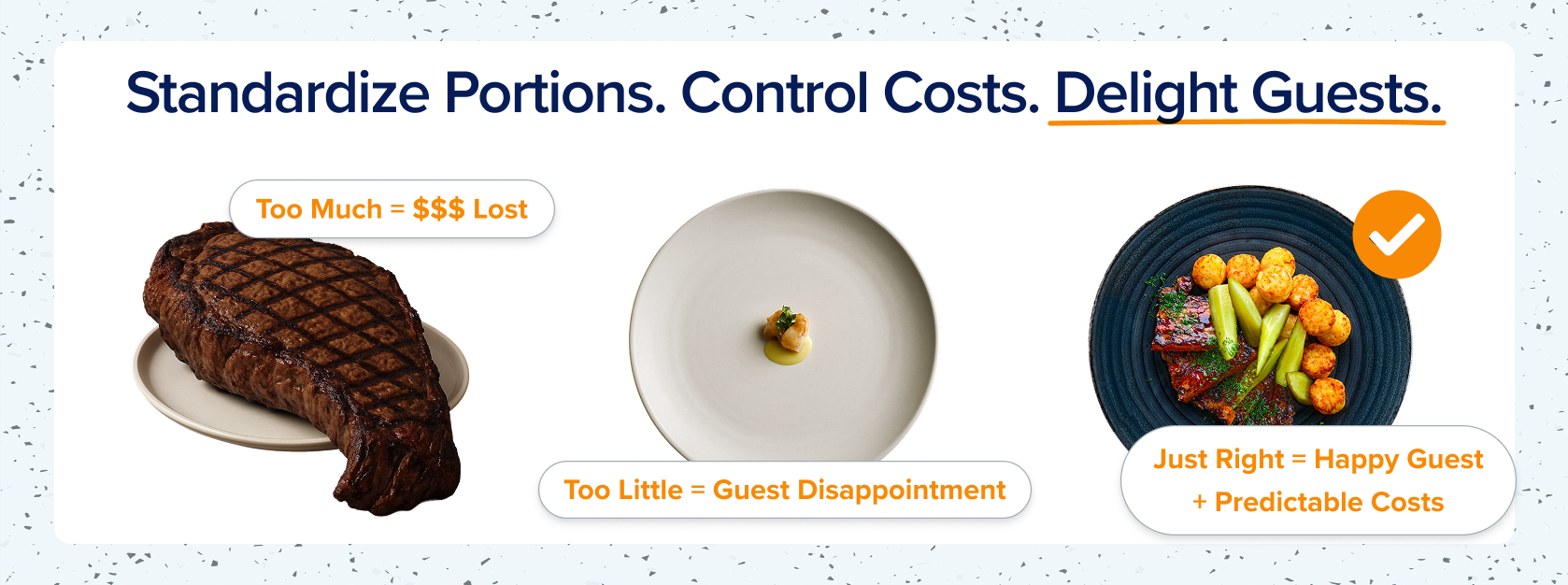
Being consistent saves money. Portion control, like using scoops that are the right size, pre-portioned proteins, or standard recipes, cuts down on waste and keeps food costs stable.
9. Review Service Contracts
Many contracts, like those for linen services and trash removal, slowly get more expensive over time. You can save a lot of money each year by reviewing and renegotiating these contracts.
10. Keep An Eye on Costs in Real-Time
Reporting that is out of date is like driving without seeing. You can make better, faster decisions when you use tools that let you see your spending in real time, down to categories and suppliers.
To save money, you don’t have to cut corners. It means being smart about where each dollar goes. You can protect your margins and keep your restaurant going by making small but well informed changes, like updating your menu, renegotiating contracts, or joining cashback programs.
Want to know how much you could save on things you buy every day? Fill out the form below and join Dining Alliance today for free!
