

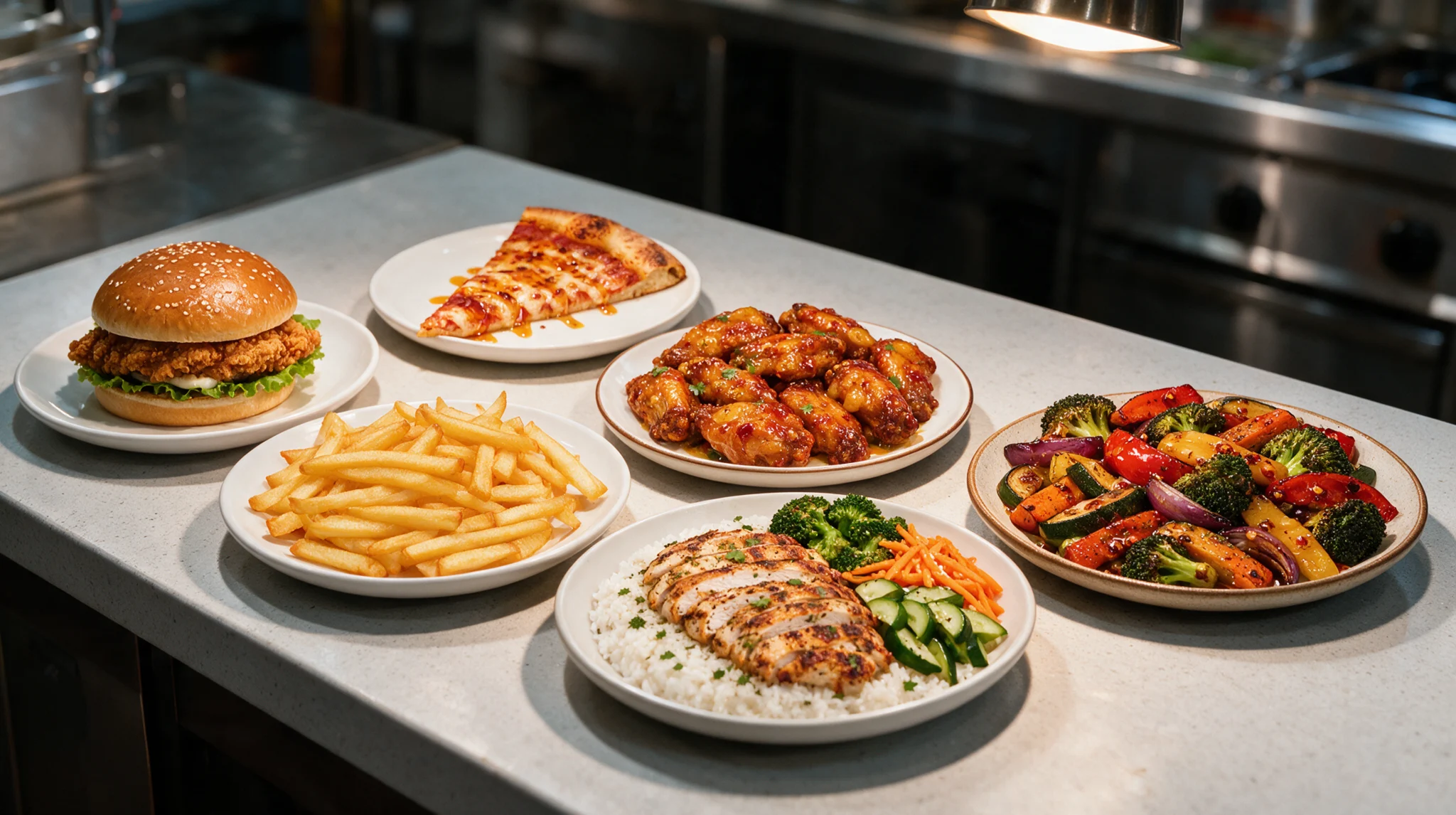
A new flavor doesn’t have to mean a whole new menu.
A sauce on your best-selling sandwich, a different seasoning on the fries, or a weekend special can give regulars something new to try without adding a complicated prep list. Global flavors offer plenty of ideas, but the trick is finding the ones that fit your food and your guests. Let’s look at the flavors getting attention and how you can put them to work in your kitchen.
Top Global Flavor Trends Right Now
Guests are finding global flavors in familiar places: burgers with a new sauce, rice bowls with a different spice blend, and noodles that go well beyond the usual takeout order. The National Restaurant Association’s 2026 What’s Hot Culinary Forecast calls out globally inspired smashed burgers, Caribbean curry bowls, and elevated noodles as examples.
That’s good news if you run an independent restaurant. You don’t need to add a cuisine you’ve never cooked before to take part. Look at what already sells, then ask where a flavor would genuinely make it better. If your guests love chicken sandwiches, a gochujang glaze might be worth testing. If bowls move well at lunch, try a curry-inspired sauce with ingredients your kitchen already stocks. Give the dish a clear name and description so guests know what they’re ordering.

Spicy & ‘Swicy’ Flavors on the Rise
Heat is showing up in more than hot sauce. A little chile can add depth to a marinade, a topping, or a dressing without making a dish too hot for most guests. Sweet heat, often called “swicy,” pairs that kick with something sweet, like honey, fruit, or a glaze. Technomic identified sweet heat as a prominent flavor mashup in 2025.
Hot honey on pizza or chicken is an easy example, but there’s room to play. Try a mango-chile glaze on wings, a spicy honey drizzle on roasted vegetables, or a peppery fruit sauce alongside a familiar entrée. Let guests choose the heat level when you can. A sauce served on the side gives curious diners a way in and saves you from making every plate spicy.

How to Add Global Flavors to Your Menu
Start with a dish your kitchen knows how to execute. It’s easier to test a new sauce on a proven seller than to build a special that calls for a long list of ingredients you may never use again.
Pick one change and run it as a limited-time offer. Train the team to describe the flavor in everyday terms, then pay attention to what guests actually say. Did they finish the dish? Ask for the sauce again? Order it twice? Sales matter, but those conversations can tell you whether the idea has staying power.
Before you put it on the menu, cost the full plate. Account for the spice or sauce, any extra prep, and what might be left over after the special ends. If an ingredient works across several dishes, it has a better chance of earning its spot in your pantry. That’s where a little menu creativity can go a long way for an independent restaurant’s budget.

Popular Global Spices and Herbs to Add to Your Menu
A small, useful spice collection can take you further than a crowded shelf of ingredients that rarely get opened. These are a few options to explore, depending on the dishes you serve:
- Turmeric: Adds earthy flavor and a golden color to rice, soups, marinades, and roasted vegetables.
- Cumin: Brings warmth to beans, grilled meats, vegetables, and sauces.
- Coriander: Has a citrusy note that works in spice blends, dressings, and marinades.
- Gochugaru: Korean chile flakes that can add color and heat to sauces, vegetables, and chicken.
- Sumac: Adds a tart finish to salads, grilled proteins, and dips.
- Saffron: Brings a distinct aroma to rice and seafood dishes. Since it can be costly, test it in a special and price the dish carefully.
- Fresh cilantro or mint: Can brighten a rich dish just before it goes out to the table.
Choose ingredients that make sense for your menu, then learn how they’re used in the dishes that inspire you. A thoughtful flavor addition will do more for the plate than a long list of spices added just because they’re trending.
Final Thoughts
The best new flavor for your restaurant is one your guests enjoy and your kitchen can deliver consistently. Start with a dish you already do well, give it one thoughtful change, and see how it sells. If it catches on, you can build from there. If it doesn’t, you’ve learned something without turning the whole menu upside down.
Frequently Asked Questions
What are the biggest global dining trends right now?
Globally inspired versions of familiar dishes are getting attention, including burgers, curry bowls, and noodles. For an independent restaurant, the useful question is which of those ideas fits your guests and your kitchen.
Which global flavors are most popular in restaurants?
There isn’t one flavor that works for every restaurant. Sweet heat and globally inspired comfort foods have drawn industry attention, but your own sales and guest feedback are the better guide for your menu.
How can restaurants add global flavors to their menu?
Try a new sauce, seasoning, garnish, or side on a dish guests already order. Cost it, teach your team how to describe it, and give it a short test run before making it permanent.
What does ‘swicy’ mean in food trends?
“Swicy” means sweet and spicy. Think hot honey, a fruit-and-chile glaze, or another pairing that brings sweetness and heat to the same bite.
How can restaurants test new global flavors without changing their entire menu?
Run a weekend special or offer a sauce on the side of an existing dish. You’ll get a read on guest interest while keeping prep and ingredient commitments manageable.