

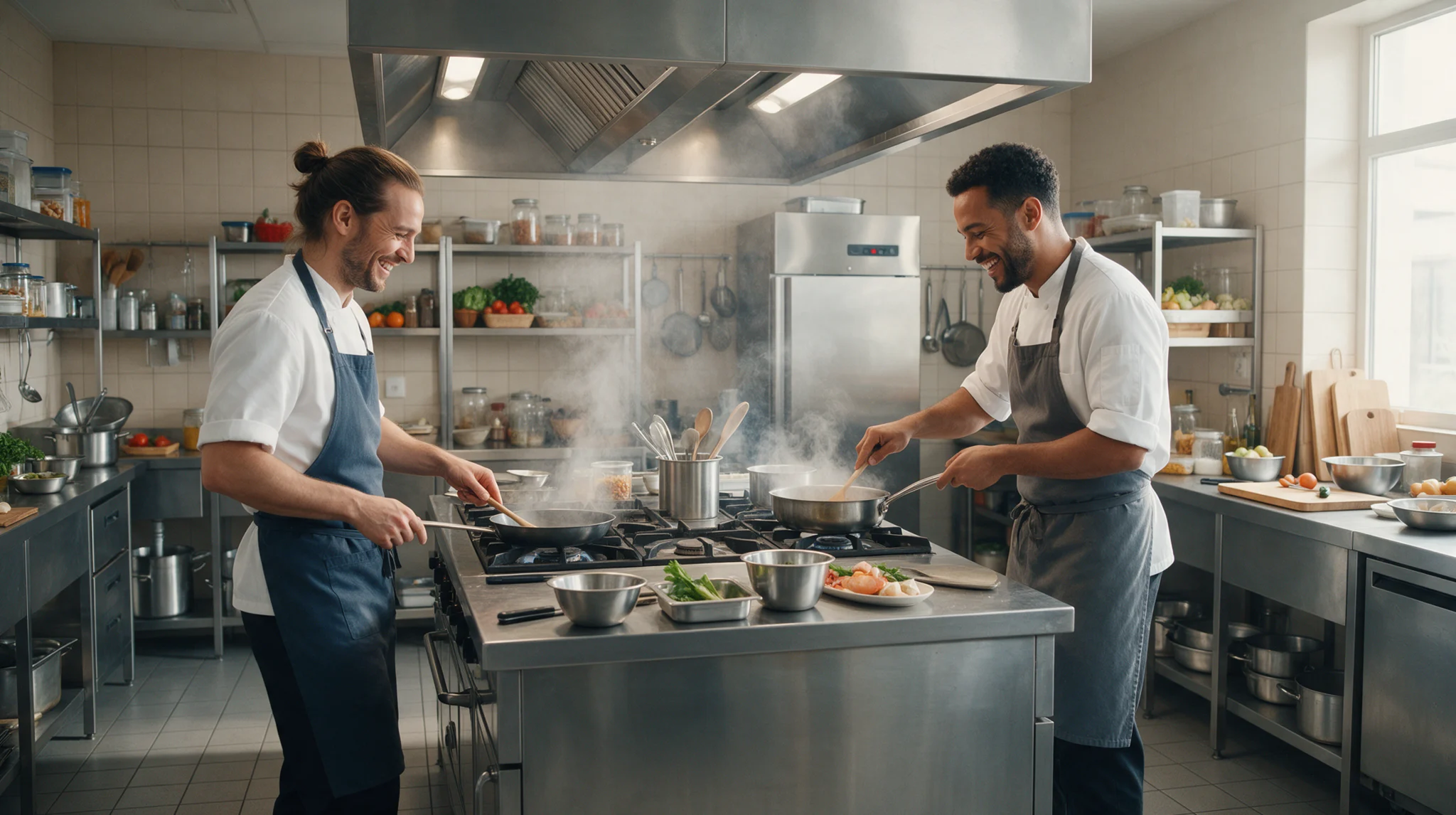
Whether you’re just starting your journey to becoming a chef or a well-seasoned master, it’s never too late to find ways to better yourself. Head chefs are often the leaders in their kitchen and in their back of house and are expected to execute a flawlessly running kitchen as well as a trend-setting menu. So how do you continue to keep your restaurant afloat and increase your skill set? We gathered some of the top tips for executive chefs, head chefs, and line cooks looking to better themselves from around the web and are sharing them with you!
What other skills do you think are essential to being a chef? Share your thoughts with us on Facebook!
6 Essential Skills to Be a Better Chef
A great dish can win someone over for the night. Running a kitchen that delivers great dishes consistently takes a wider set of skills. Chefs have to watch costs, lead a team, keep service moving, and make decisions when the prep list or the delivery doesn’t go as planned.
The six skills below matter whether you’re leading the kitchen or working toward that role. Some come with practice on the line. Others take a little time away from it, looking at recipes, purchasing, and what happened during the last rush.
Understand the Numbers
“If you can’t cost a dish out in your head within fifteen to twenty seconds — you aren’t a chef. I truly believe that. This indicates that you clearly haven’t spent enough time costing out menus, mastering recipes and plating dishes. You need to know how much each plate of food costs, so that you can then price out a menu. But, that’s only part of the numbers — you need to be able to standardize recipes, cost out labor, manage inventory, try to cut back on inventory when times are tight, and the list goes on and on.”

Communication is Key
“A well-run kitchen is much like a winning sports team. If there isn’t constant chatter then be prepared to fail. On the line there can be 3 or more working on the one table, it all needs to come out at once so being clear is important. It’s not just the line you have to worry about but inventory too. If you forget to mention that we’re low on eggs then it’s going to be an expensive dash out the door hunting for eggs to buy.”
“As an executive chef, you have to be a great communicator. As the leader of a kitchen, you are in charge of how the whole operation is running. This means you have to negotiate with suppliers, keep your back of house staff on the ball, and liaise with front of house too.”
Time Management
“When cooking, time is everything. Food that’s ordered must be scheduled, then prepared in minutes. Time management is crucial, and this means really paying attention to how you utilize your minutes and seconds after an order is received. With proper planning, you can have a highly effective kitchen, reducing stress for everyone and keeping diners full and satisfied…. Great chefs are great planners. They think ahead and plot out everything they are going to do from cooking to the financial responsibilities of running a kitchen. These are essential skills in cooking and management, since poor planning can result in disaster. The best chefs know exactly what and how much ingredients they need, where all of their utensils are located, how they will pace themselves during crunch time, and what they can do to make the day as efficient as possible. Chef Isaac says to be a leading chef you must be able to manage a P&L statement and budget as well as understand how to make and save money.”

Embrace Creativity and Innovation
“Many people probably associate culinary innovation with unusual flavor combinations or architectural arrangements of ingredients. All that is true. And yet, there is a more fundamental creativity that goes into any restaurant. I remember one chef who was head of operations for multiple restaurants in a major metropolitan museum. He constantly looked for new ways to efficiently prepare individual meals, as he was responsible for banquets for as many as several hundred people, all of whom expected formal service. I remember a single length of sausage at least six feet long we prepared for a breakfast, which could be cooked all at once, and then cut into individual servings. The chef also converted a cart into a smoker to make smoked salmon for a third of the market price. These are great examples of someone who had mastered classic techniques and then improved upon them for a given operation.”
Problem Solving Skills
“The saying that anything that can go wrong, will go wrong? That’s totally about chefs. “Any day of the week you have a cook that calls in sick, is in jail, doesn’t show up, got hurt and needs to go to the hospital, comes in hung over,” says Seamus Mullen, chef-owner of Tertulia, El Comado and El Comado Butchery in New York City. “On top of that your produce guy confuses Seamus Mullen with Shea Gallante and you get the wrong order. Add to that you come in and the sink is leaking and the toilet in the downstairs bathroom is backed up and it’s flooding and the porter didn’t take your garbage. Every day is a crisis.”
Keep Learning and Refining Your Craft
The menu that worked last year may still have its regulars, but that doesn’t mean every recipe or process should stay the same. Pay attention to what guests finish, what comes back, what takes too long to prepare, and which ingredients create more waste than you expected. Those details can tell you where to improve.
Make room to learn from the people around you, too. Let a line cook show you a faster prep method. Ask your servers what guests keep asking about. Try a new technique, then figure out whether it actually works during service. Being a better chef doesn’t require a complete menu overhaul. Sometimes it starts with making one dish easier to execute on a Saturday night.
How to Manage Stress and Prevent Burnout
Kitchen work can be demanding, especially when you’re the person everyone looks to when something goes wrong. You can’t take the pressure out of every service, but you can keep it from becoming the default way your team operates.
Start before the rush. Build prep lists around expected volume, check deliveries early, and make sure everyone knows their station and priorities. During service, give clear direction and deal with the issue in front of you before moving to the next one. Afterward, talk about what slowed the team down. A recurring problem with prep, scheduling, or equipment needs a fix, not another stressful night.
Your team also needs a pace it can sustain. Share responsibilities, train people to cover more than one task, and pay attention when someone is regularly staying late or skipping breaks. That includes you. Taking time away from the kitchen is easier when you’ve given your team the tools and trust to keep it running.

Final Thoughts
Becoming a better chef is about more than improving what’s on the plate. It’s knowing what each dish costs, communicating with your team, planning for service, finding creative solutions, and staying willing to learn.
Pick one area that needs attention in your kitchen and start there. A clearer prep plan or a closer look at food costs might make an immediate difference. Keep building on those changes, and you’ll give your team a stronger kitchen to work in and your guests a better experience.
Frequently Asked Questions
What skills make a good chef?
A good chef needs strong cooking skills, but also the ability to lead people and run a reliable kitchen. That includes communication, time management, food cost awareness, creativity, problem-solving, and a willingness to keep learning.
How can I become a better chef?
Ask for feedback, practice your techniques, and look closely at how your kitchen performs during service. Choose one thing to improve at a time, whether that’s recipe consistency, prep, team communication, or your understanding of costs.
Why do chefs need to understand food costs?
Food costs help chefs see whether a dish makes financial sense at its current price. When you know what goes into each plate, you can make better decisions about portions, ingredients, waste, and menu pricing.
How do chefs manage stress in a busy kitchen?
Preparation and clear communication go a long way. Set your team up with realistic prep lists, defined responsibilities, and a plan for the rush. When service is over, address the problems that keep creating pressure instead of expecting everyone to push through them again tomorrow.
Why is problem-solving important for chefs?
A late delivery, a missing ingredient, or an unexpected callout can change the plan quickly. Chefs need to decide what matters most, communicate the adjustment, and keep the team moving without losing sight of food quality or the guest experience.
Want more ways to support your kitchen and make the most of your purchasing? Click here to join Dining Alliance for free or submit the form below, and a member of the Dining Alliance team will reach out.
Interested in learning more? Submit the form below and a member of our team will reach out.