

February 3, 2026
This week’s insights on key commodities and market shifts—powered by CommodityONE, exclusively for Dining Alliance members.
Poultry
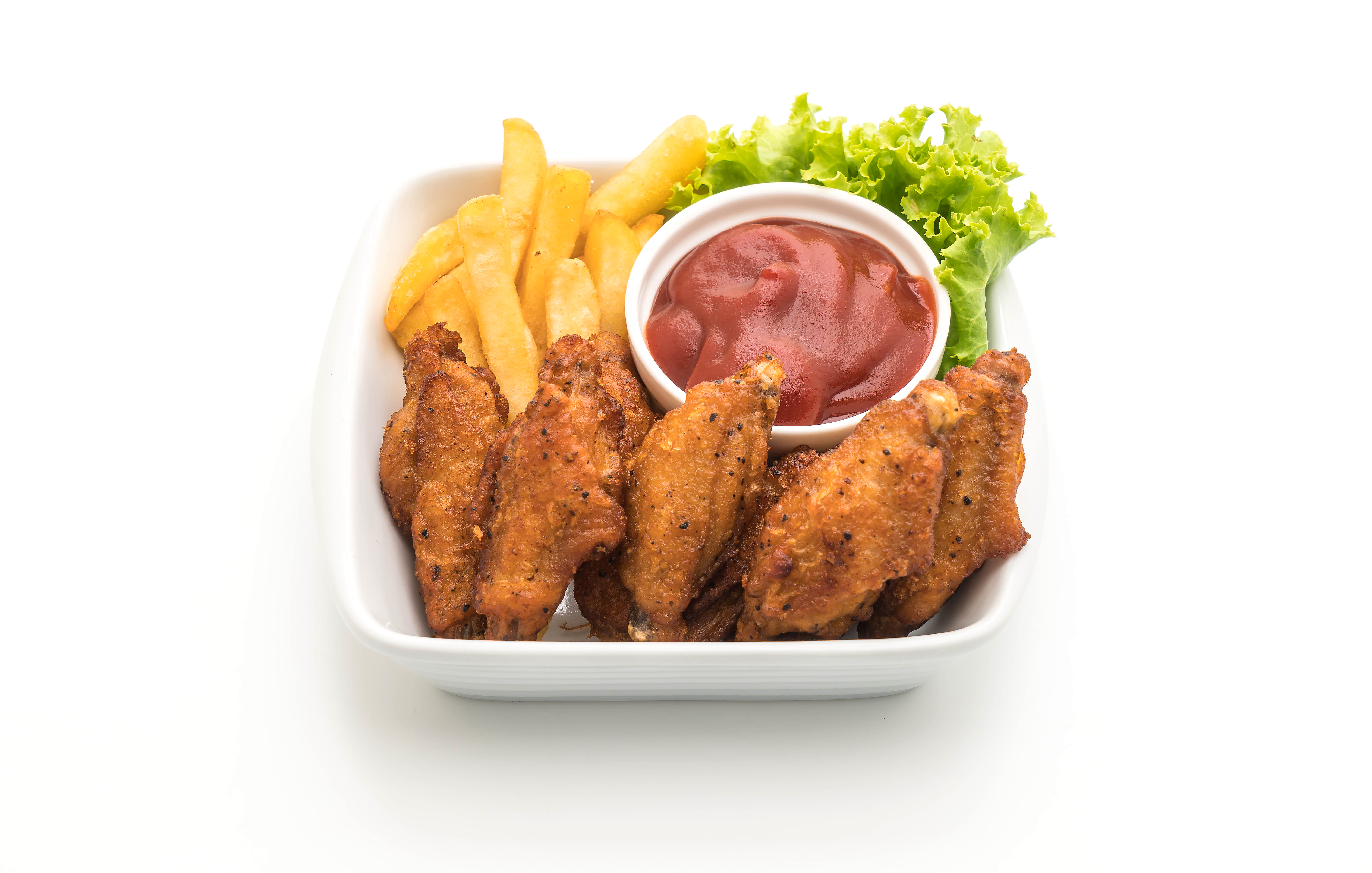
Poultry markets moved higher last week as USDA young chicken harvest volumes declined to 172.9 million head, down slightly week over week and 2.5% below the same week last year. Pricing strength was most notable in white meat, with boneless/skinless breasts increasing $0.06 to $1.32/lb, now up 14% month over month, though still 11% lower year over year. Tenderloins rose to $1.47/lb, while wings increased to $1.12/lb, up 15% month over month but down 41% year over year. Turkey pricing remained elevated, with boneless turkey breasts up 185% year over year. In the egg market, the USDA large eggshell index jumped nearly 40% week over week, though it remains 32% lower month over month.
Outlook: Near-term pricing is expected to remain firm as production recovers from weather-related plant disruptions. While short-term volatility may persist, year-over-year comparisons remain more favorable across much of the poultry complex.
Beef
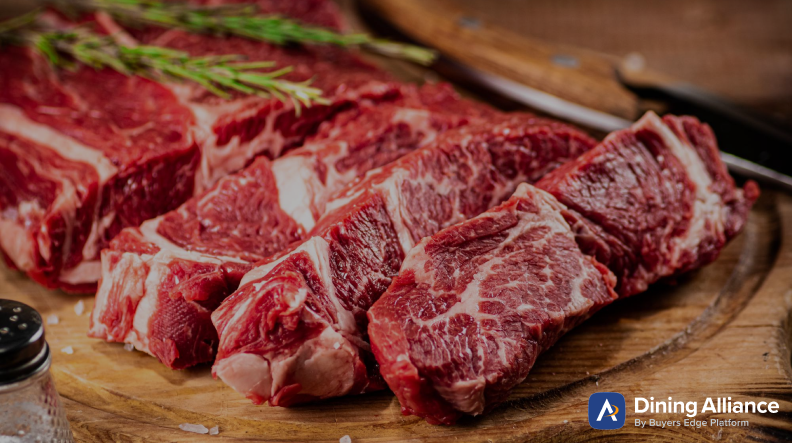
Cattle markets trended slightly higher, with the CME February cattle contract rising just over 1% to $235.50/cwt. Despite higher futures, beef cutouts moved lower, with the Choice cutout declining to $367.66/cwt and Select falling to $360.72/cwt. Middle meats were mixed, as boneless ribeye prices increased to $10.42/lb, while choice shortloins declined to $7.73/lb. End cuts, including chuck rolls and shoulder clods, weakened week over week. Ground beef prices moved higher, with 81% lean rising to $3.89/lb, reflecting tightening trim supplies. Harvest volumes declined by double-digit percentages, reinforcing ongoing cattle supply constraints.
Outlook: Beef pricing is expected to remain volatile, with tight cattle supplies continuing to influence the market. Seasonal demand patterns entering February may help limit near-term upside.
Pork
Pork markets were mixed to lower last week, with the pork carcass cutout declining 2% to $93.43/cwt. The loin primal remained flat at $89.68/cwt, while boneless pork loins edged higher to $1.39/lb and tenderloins increased to $1.93/lb. The belly primal weakened to $126.84/cwt, down 2% week over week, while the ham primal dropped 7% to $81.53/cwt. Trim markets were mixed, with 42% trim declining to $0.54/lb and 72% trim rising to $1.08/lb. Harvest volumes were flat week over week.
Outlook: Pork pricing is expected to trend steady to slightly firmer in the coming weeks as freezer inventory rebuilding supports the market, despite continued softness in retail demand.

Seafood
Seafood markets remained relatively calm compared to early 2025 volatility. Frozen cod filets increased 1.6% month over month in October, ranking as one of the category’s largest movers despite the modest change. The increase followed a period of reduced import volumes, though imports are believed to have recovered into the new year.
Outlook: Seasonal trends suggest a potential price turnaround forming in February, with cod markets historically bottoming in January and peaking later in Q1 or early Q2.

Produce
Produce markets saw renewed strength, led by lettuce and tomatoes, both of which reversed higher following the prior week’s decline. Lettuce pricing increased as harvest and yield challenges emerged in Western growing regions, accelerating the end of its recent downturn. While iceberg pricing has moved higher, it remains below the extreme spring and summer peaks that often exceed $40–$50 per carton. Tomato markets strengthened as cold temperatures persisted across the eastern U.S., with pricing supported despite steady supply from Mexico.
Outlook: Lettuce pricing may continue to move higher through late Q1, with additional upside risk into early Q2. Tomato prices are expected to remain firm while cold weather conditions persist.
The Kitchen Sink
Dairy
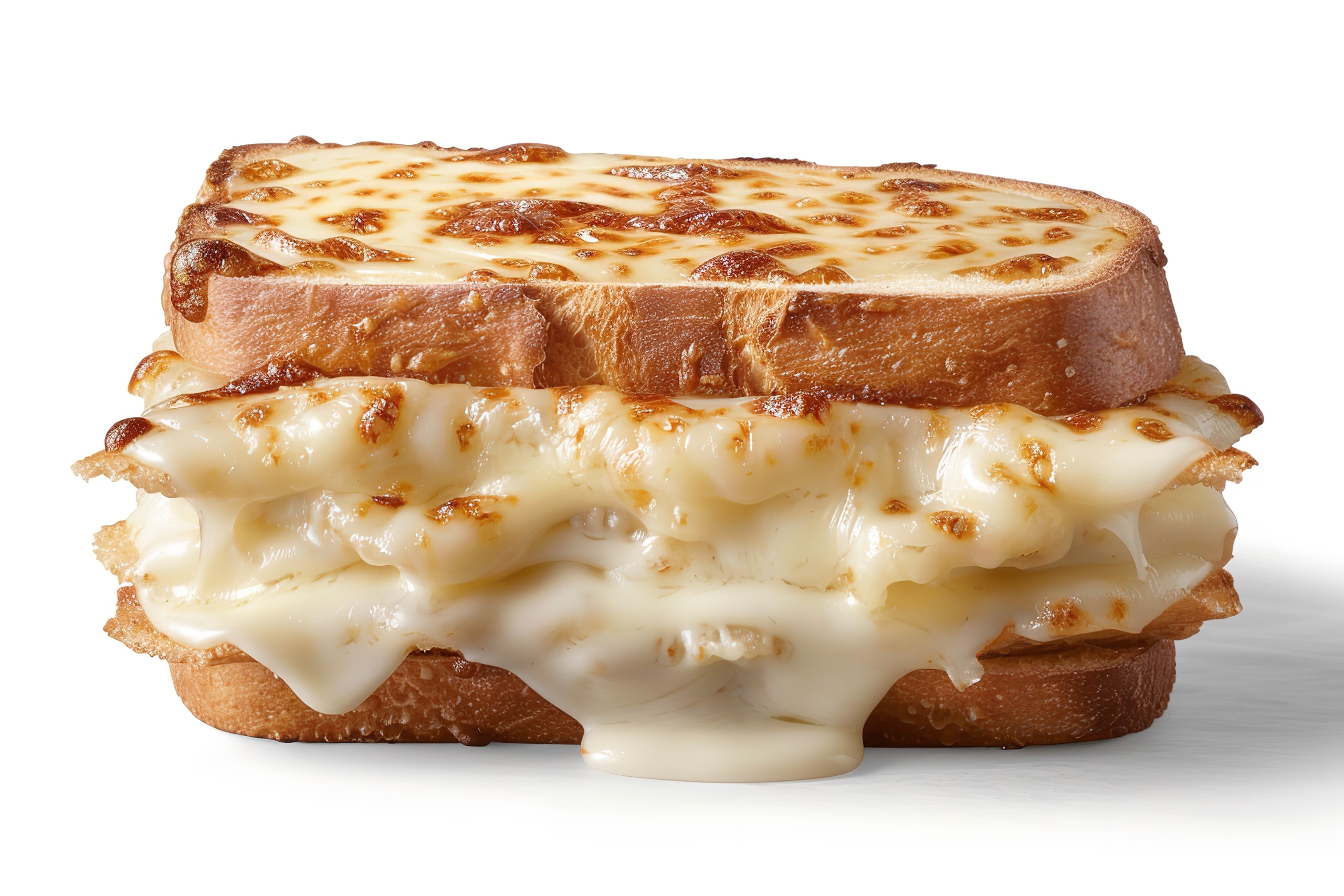
Dairy markets were mixed across categories. CME block cheese increased $0.03 to $1.38/lb, while barrels rose $0.05 to $1.41/lb, supported by steady production and improving export demand. Spot butter prices declined $0.08 to $1.49/lb, remaining $1.10/lb lower year to date and $0.83/lb below the five-year average. Cream volumes remain strong nationally, though some butter manufacturers reported tighter availability of spot loads.
Outlook: Cheese pricing is expected to remain supported in the near term due to steady demand. Butter prices may begin to stabilize, though availability will continue to vary by region.

Grains
Grain markets were mixed, with corn and soybeans trading near even week over week, while wheat prices rallied briefly. Initial gains were driven by concerns over cold weather in U.S. winter wheat regions and Ukraine. Attention later shifted to the Black Sea region, where Ukraine is projected to be the seventh-largest wheat exporter globally this year. However, forecasts indicate cold temperatures are likely to miss Russia’s primary growing areas.
Outlook: Wheat prices may ease if weather risks remain limited. The broader grain complex is expected to remain range-bound without new global supply disruptions.