

January 13, 2026
This week’s insights on key commodities and market shifts—powered by CommodityONE, exclusively for Dining Alliance members.
Poultry
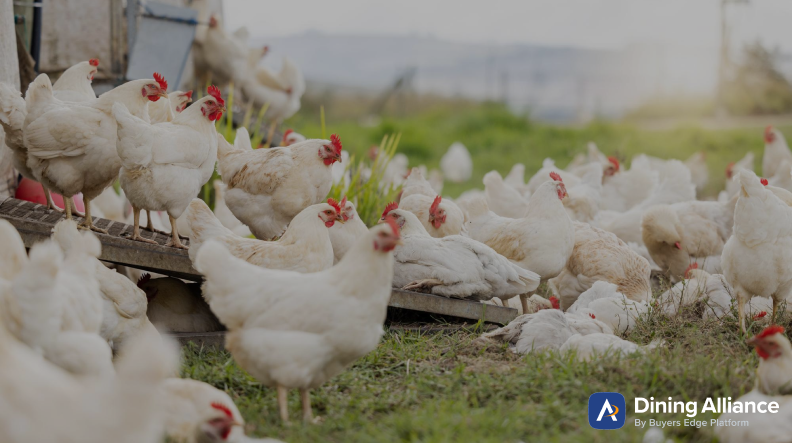
This past week saw a slight decrease in young chicken harvest compared to last year, with National Composite WOGs showing a small increase. While some white meat segments like boneless/skinless breasts and tenderloins saw modest price gains, they remain significantly lower year-over-year. Chicken wings are also down considerably compared to last year, though slightly up month-over-month. Turkey prices, particularly for boneless breasts and whole birds, are substantially higher year-over-year due to flock recovery. Egg prices have dropped sharply due to flock recovery from HPAI outbreaks.
Outlook: Wholesale prices for poultry and eggs are expected to remain stable through January, with demand supporting firm prices.
Beef
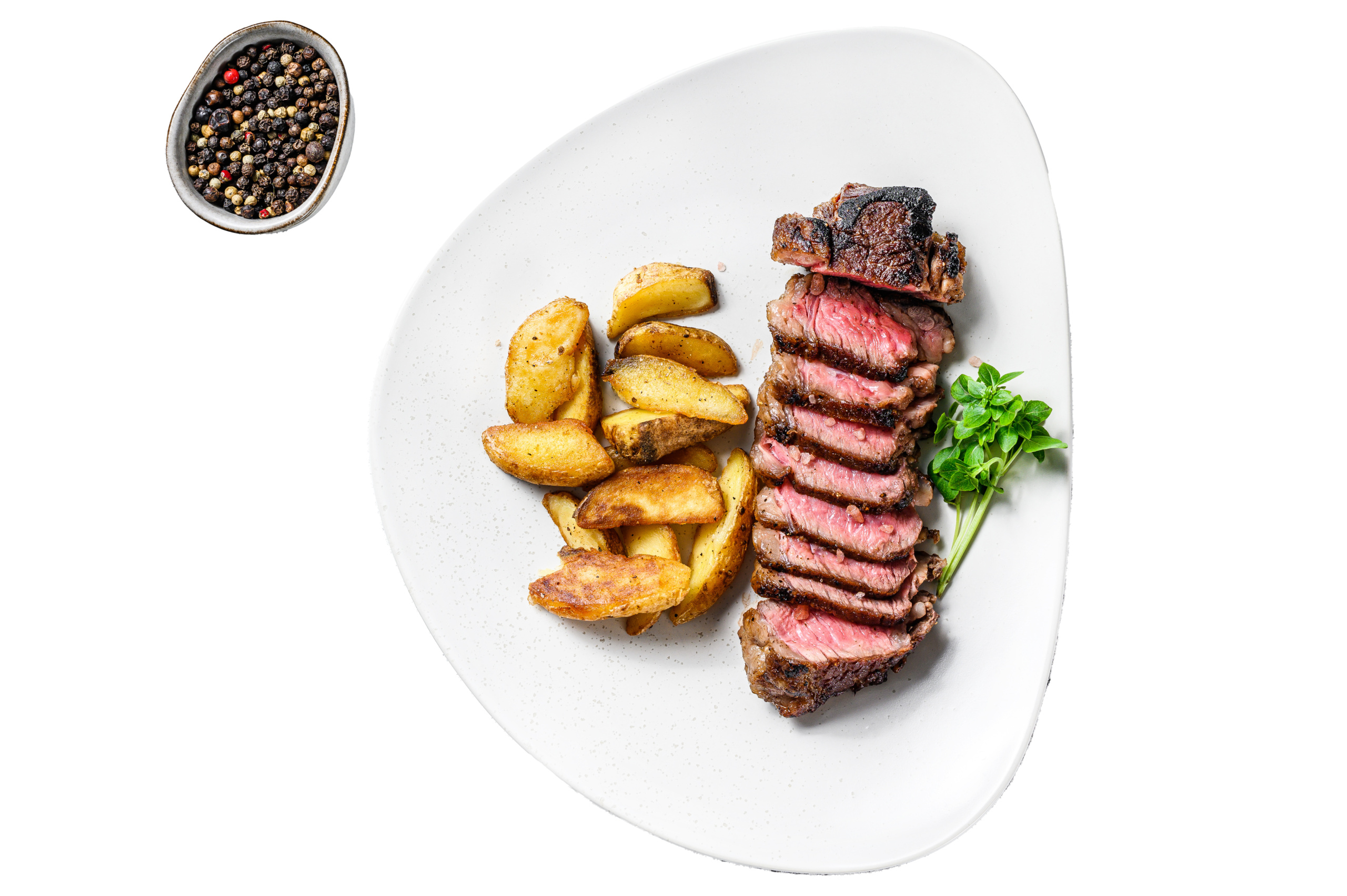
Cattle markets experienced an increase last week, with CME FEB cattle contracts and most other contracts trading higher. The choice beef cutout saw a 2% rise, driven by strength in end cuts like chucks and rounds, despite a slight dip in certain rib cuts. Ground beef and trim markets were also higher.
Outlook: Cattle prices are expected to remain range-bound as beef demand typically declines in February.
Pork
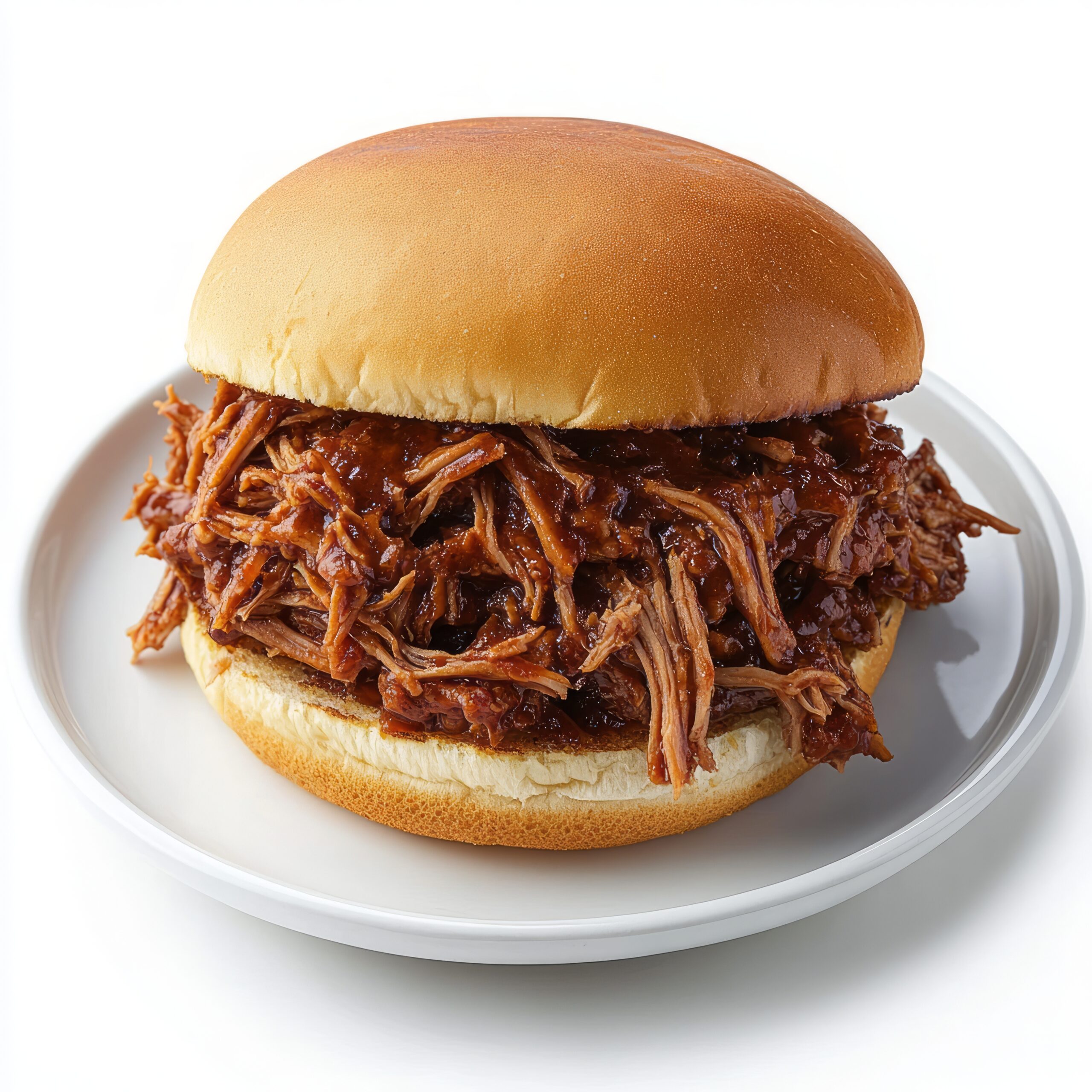
Hog futures and cash lean hogs showed mixed results last week, with the pork cutout experiencing a 4% decrease. Most primals, including loins, pork butts, ribs, bellies, and hams, saw price declines. However, trim markets showed an increase.
Outlook: Seasonal post-holiday demand easing, along with limited retail promotions and adequate hog supplies, will likely keep pork prices range-bound or slightly lower through the end of the month.
Seafood
Recent import data for October revealed a significant drop in frozen Alaskan pollock prices, marking the largest monthly shift and the most surprising change among key non-shrimp items. After a prior dip, pollock had shown some recovery, but it is now once again nearing a seven-year low. A meaningful price recovery is not expected until the second quarter of 2026.
Outlook: Pollock prices are expected to remain defensive until at least Q2 2026.

Produce
As anticipated, lettuce and tomato prices opened the new year on a downward trend following their late 2024 highs. Iceberg lettuce has seen a consistent decline and is expected to stabilize around $10/carton, likely remaining within a $10-$20 range for the first half of the year. Roma tomatoes, after a slight December rebound, are also trending lower. The focus is expected to shift towards avocados, which have been under pressure but may see an uptrend beginning in February.
Outlook: Expect stable to declining prices for lettuce and tomatoes in the near term, with potential for an uptrend in avocados starting next month.
The Kitchen Sink
Dairy
Dairy prices have generally decreased across most categories, with CME blocks showing a slight drop and barrels remaining flat. Cheese production is steady, and while demand is easing, milk output remains strong, leading to plentiful spot volumes. Butter prices have declined, now significantly lower than both year-to-date and five-year average prices, with mixed domestic retail demand but steady foodservice demand and varying international interest.
Outlook: Dairy prices are expected to remain relatively stable in the short term, influenced by steady milk output and fluctuating demand.
Grains
Grains
The grains market was quiet at the start of the new year, with all eyes on the upcoming USDA report. Corn is particularly poised for potential movement based on yield estimates, while soybeans and wheat could also see shifts. The soybean market is in a contrasting position to corn, and a slightly lower 2025 U.S. corn yield estimate could lead to a breakout in corn prices, especially with strong export business and anticipated lower acreage next year.
Outlook: The upcoming USDA report is highly anticipated and could significantly impact corn, soybean, and wheat prices.