


top of mind news
- Test Your Food Safety Savvy
- How China’s Sick Pigs Might End Up Raising US QSR Poultry Prices
- Restaurateurs Cater To The Sober-Curious
- Gen Z Key To Traffic Growth As Older Diners Cut Back
- 6 Ways Operators Are Scoring With Football-Themed Deals
- Restaurant Managers Are Not Bank Tellers. Employees Deserve Safety.
THE FARM
Poultry

For the holiday week ending September 7th, chicken slaughter came in about even with a year ago, but heavier bird weights pushed RTC production 1% over the year prior. From a whopping 6% noted in early July, the six-week total of RTC production is down to just 3% over a year ago. Anticipate smaller year-over-year RTC production differences heading into Q4. The chicken wing markets are trending modestly higher, seasonally, but are doing so from already elevated price levels. This year’s seasonal price rise for wings is expected to be more modest before easing in December. Breast meat prices continue to drop, and the seasonal bottom usually occurs in early winter.
Beef
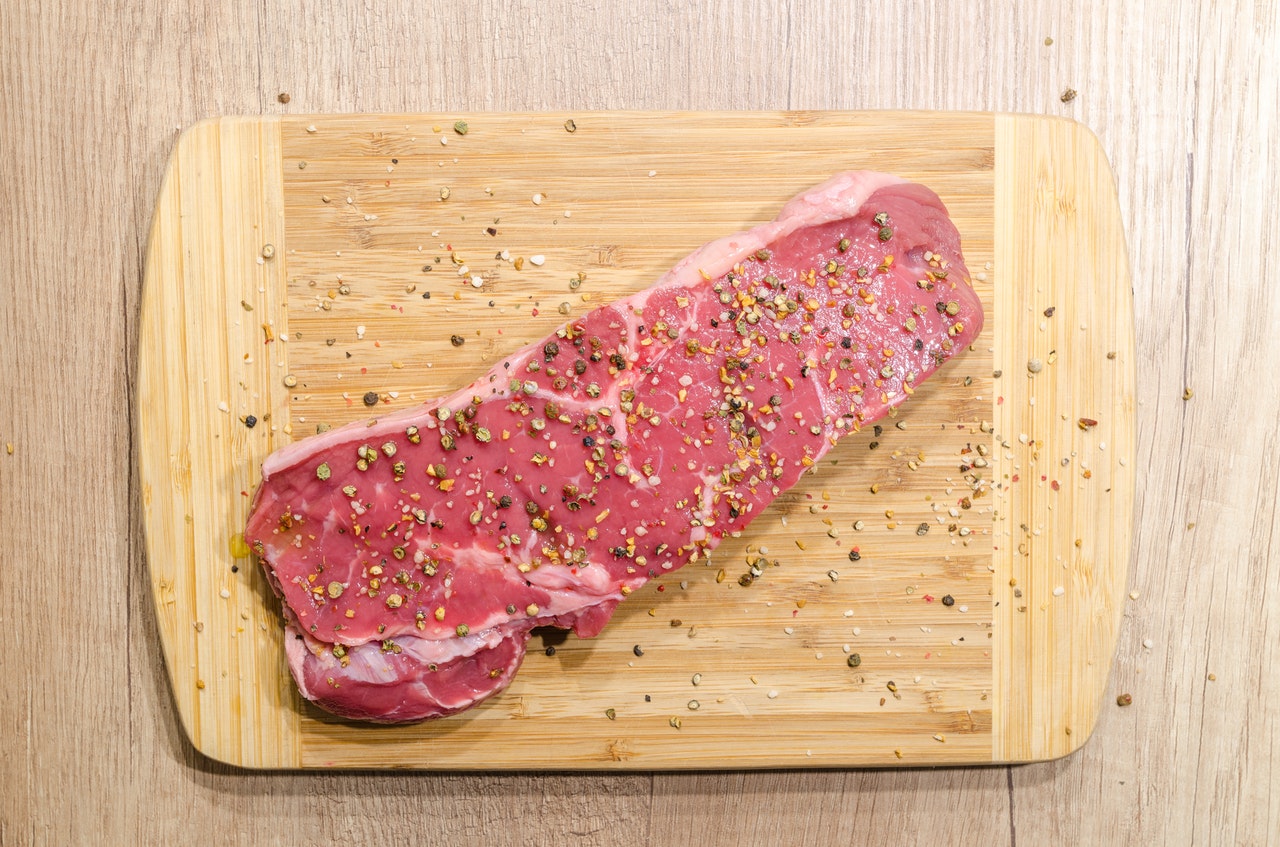
While up sharply from the holiday week prior, beef production last week fell 5.4% from a year ago. Packers cut Saturday harvest levels and may be looking to support beef prices heading into fall. Seasonally, ribeyes and PSMO tenderloin prices are slated to rise well into late November to early December before peaking, and forward sales appear to be supporting those expectations. Ground beef prices are still high but have begun to slide as retail interest wanes. Expect ground beef to ease further in the near term before bouncing in early October. But the year’s seasonal rise is likely to be more muted due mostly to the higher prices.
Pork

Pork production last week jumped from the prior holiday week and was 12.1% better than the prior year. Those big pork output increases from 2018 were due mostly to plant closures in response to Hurricane Florence. Still, the pork market is acting as if there is an abundance of product, with bellies and hams struggling to find price support, and the USDA cutout is nearly on par with a year ago. Yet, pork 42’s have found support due to higher beef trim prices and are priced near their fall time peaks noted in 2018. Still, downside price risk exists for 42’s.
THE SEA
Seafood

The snow crab markets remain expensive. World supplies remain limited which, in July, encouraged slower imports. During the month, the U.S. brought in 6.4% less snow crab than the previous year, despite being at higher price levels. The Alaskan Bering Sea snow crab fishing season will start next month. But, the bulk of the fishing will not occur until January. This may underpin snow crab leg prices throughout the fall.
THE GARDEN
Produce

The tomato markets have been firm as of late. Supplies have been limited both on the East and West Coasts. Total tomato shipments last week declined 6% from the prior week and were 15% smaller than the same week last year. The principal tomato harvest areas will be shifting south in the coming weeks and months. Although no major supply gaps are anticipated, history suggests that higher tomato prices could occur this fall. Avocado supplies have improved, but the downside price risk could be limited from here.
THE KITCHEN SINK
Dairy
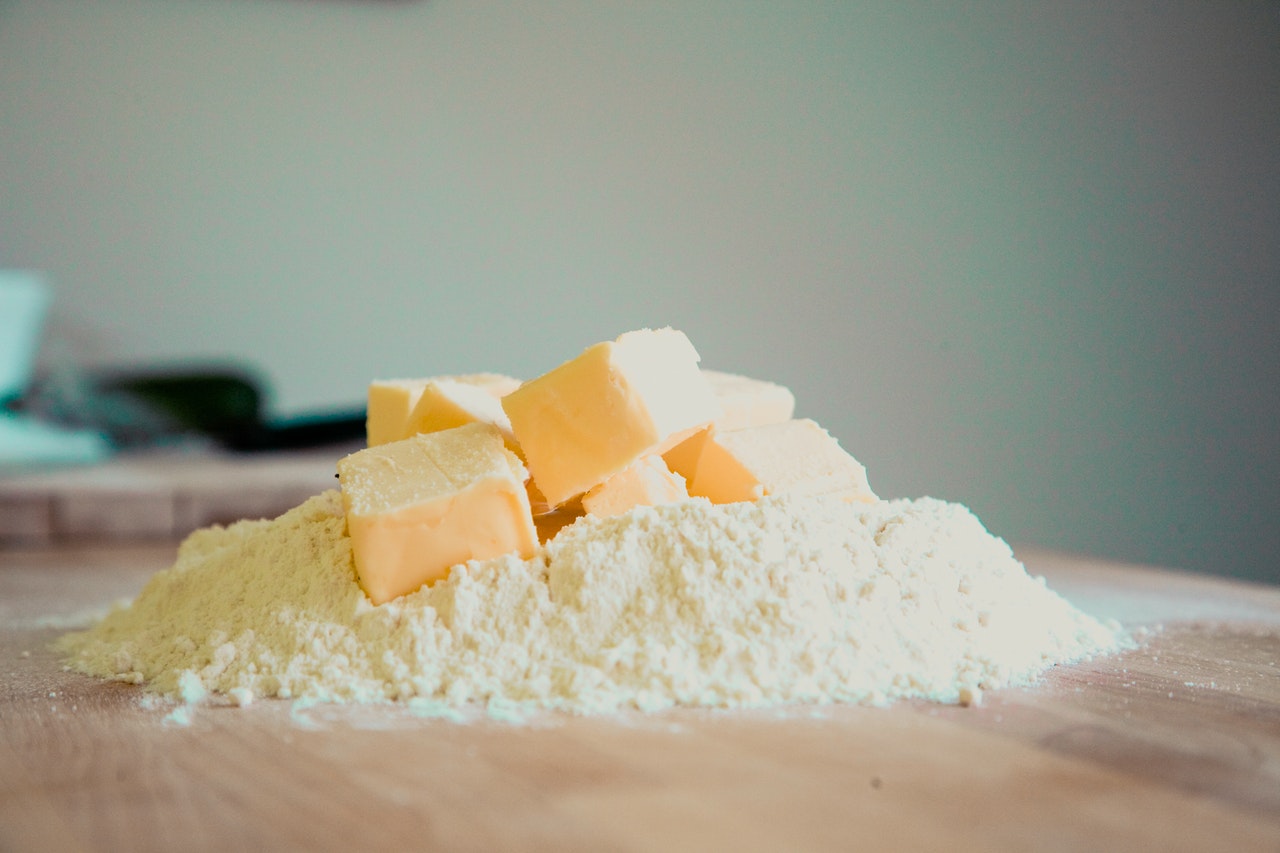
The cheese markets this past week hit their highest levels in nearly five-years. Strong U.S. cheese demand exists. July U.S. cheese exports were .7% higher year-over-year. Cheese exports are now fading however, due to the costly pricing. Be cautious on cheese buys. Since 2014, cheese block prices in September averaged 14.3% higher than in December. Spot butter prices are near year ago levels. July butter exports were 68.3% lower than 2018 and the lowest for any month since October 2015. Since 2014, spot butter prices averaged 12% lower in December than the previous September.
Grains

The wheat markets continue to trade at historically engaging levels. The U.S. spring wheat harvest is progressing with 76% in the bin as of September 15th. U.S. wheat supplies are projected to remain adequate and even burdensome for the next several months. This could limit the upside potential in wheat prices this fall.
Oil

Nearby WTI crude oil futures this week hit the highest level in 17 weeks. Two oil refineries in Saudi Arabia were targeted by drones, knocking off 50% of their oil making capacity. Expect the petroleum markets to be volatile in the near term.
